

British study: 40% of users may turn to the black market due to the ban, and 26% switch to nicotine bags
Leave a message
British study: 40% of users may turn to the black market due to the ban, and 26% switch to nicotine bags
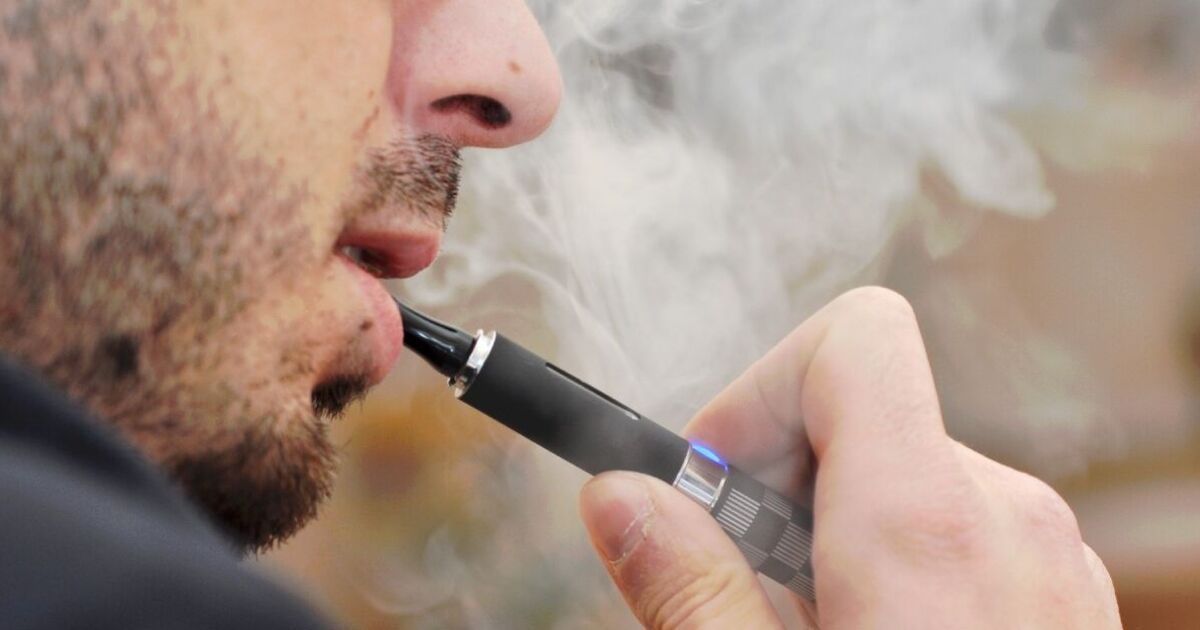
A UK survey shows that the ban on disposable e-cigarettes may cause nearly 40% of users to turn to unregulated channels to buy products, and 26% of respondents will switch to alternatives such as nicotine bags. Retailer Haypp said that nicotine bags will help achieve the goal of "smoke-free Britain".
According to Internewscast on September 29, a study of 1,020 e-cigarette users found that 39% admitted that they might buy e-cigarettes from unregulated channels without official safety checks.
The results also showed that one-third of respondents believed that their nicotine consumption would increase. However, 22% of people believed that the upcoming law was their motivation to quit the e-cigarette habit.
The research, commissioned by nicotine bag brand Übbs and retailer Haypp and conducted by OnePoll.com, aims to respond to the British government's commitment to achieving a "smoke-free Britain". Earlier this year, the British government announced legislation that will restrict the sale and use of disposable e-cigarettes in 2025.
The survey showed that since the news of the ban, 24% of respondents have tried to quit e-cigarettes, while 26% have turned to other alternatives such as cigarettes (36%), nicotine pouches (26%) and gum (25%).
The research also found that 85% of respondents smoked before turning to e-cigarettes, with 52% worried about returning to the habit after the ban.
Steve McGeough, a spokesman for the Übbs brand, said:
"It is really worrying to hear that e-cigarette users have seriously considered turning to smoking after the ban. In addition, the results also show that some people even seek out unregulated e-cigarettes, which is very worrying in terms of quality and safety. Our research shows that while disposable e-cigarettes may be on the way out, there are many safe and regulated alternatives available now or when the ban comes into effect. Nicotine pouches are a popular choice and support the UK's goal of becoming a smoke-free country."
The research also found that 73% of e-cigarette users have not tried e-cigarette alternatives. However, 28% of them were most inclined to try cigarettes, 21% were willing to try gum, and 25% were willing to try nicotine pouches.
In addition, 30% of respondents were "very aware" of the dangers of using unregulated e-cigarettes. The characteristics of such devices that respondents were most familiar with included the absence of nicotine warning labels (41%) and instructions for passing emissions tests (30%). When looking for alternatives, 52% of people would prioritize the smell and taste of the product, followed by safety and quality assurance (50%), and the concealment of the product (33%). 30% of people want the product to be "ready to use", and 24% think open system e-cigarettes are too troublesome.
The study also showed that battery exhaustion was the most annoying thing about using e-cigarettes (32%), followed by not being able to use it freely anytime, anywhere (30%). Having to go out to smoke at social events and missing out on time with friends was also a major concern (23%), in addition to the problem of not being able to use e-cigarettes on airplanes (21%).
Markus Lindbald, a spokesman for Haypp, said: "On the positive side, it is good that so many people tried to quit e-cigarettes or explored other low-risk alternatives such as nicotine pouches before the ban was implemented, rather than turning back to smoking. Based on Sweden's nearly smoke-free experience, nicotine pouches can play an important role in reducing smoking rates and improving public and personal health."


