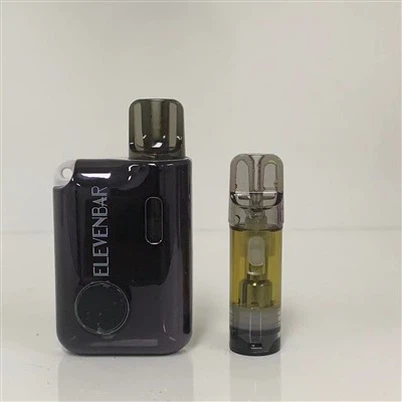
Are vapes drug?
Leave a message
Regarding whether "electronic cigarettes are drugs", the answer is not simply "yes" or "no". The key lies in the substances they contain and the legal context in which they are used.
Electronic cigarettes themselves: A "substance delivery device"
From a technical and product perspective, electronic cigarettes (Vape/E-cigarette) is an electronic nicotine delivery system, which is essentially a device that heats liquid to produce vapor. It is not a drug itself, but rather a "container" or "tool" that can hold different substances.
When electronic cigarettes become "drugs": The legal classification of electronic cigarettes depends entirely on what is added to the cartridges or e-liquids.
"Upgraded electronic cigarettes" containing controlled substances = drugs
Under the Chinese legal framework, if electronic cigarettes are mixed with national-controlled psychotropic drugs or narcotic drugs, the product will be directly classified as a drug, and both consumption and trafficking will be treated as drug-related crimes.
In recent years, criminals often mix the following substances into electronic cigarette oil, commonly known as "upgraded electronic cigarettes":
Etomidate: A medical anesthetic, which has been officially included in the second category of psychotropic drugs since October 1, 2023. Illegal consumption, smuggling, and trafficking of electronic cigarettes containing etomidate will all be treated as drug-related crimes.
Synthetic cannabinoids: Since July 1, 2021, they have been classified as drugs for control. Consuming electronic cigarettes containing synthetic cannabinoids is essentially drug use.
Other new psychoactive substances: Such as metomezine, propamide, isopropanezine (listed on July 1, 2024), ethyl fluanodione, etc., will also be added to electronic cigarettes. The related behaviors all constitute drug-related crimes.
In these cases, judicial practice is very clear: "Upgraded electronic cigarettes" are "drugs" not "cigarettes". Selling such electronic cigarettes will be held criminally responsible for drug trafficking, and there have been numerous related judgments.
Electronic cigarettes containing nicotine or THC
Nicotine: Although nicotine has a high degree of addiction, its addiction is proven to be higher than that of most drugs, only lower than cocaine and heroin. However, in the Chinese legal system, it is usually classified as a component of tobacco products rather than a "drug". Therefore, ordinary electronic cigarettes containing nicotine are legally classified as new tobacco products rather than drugs.
THC (tetrahydrocannabinol): This is the psychoactive component of marijuana. In some states where marijuana is legal in the United States, electronic cigarette products containing THC can be sold in licensed pharmacies; but in China and most countries and regions, THC is strictly controlled as a drug, and electronic cigarettes containing THC will also be classified as drugs.
The risk of electronic cigarettes becoming a "gateway drug" to other drugs
Electronic cigarettes are often regarded as the "gateway drug" to other drugs. The medical community warns that due to the addictive nature of nicotine, some users may seek stronger stimulation and turn to try other drugs. In addition, due to the unclear composition of electronic cigarette products and the chaotic labels, users may unknowingly inhale drugs or dangerous substances that have been illegally added.
Summary
Electronic cigarettes themselves are not drugs, but they can serve as a carrier for drugs.
Legal classification: In China, electronic cigarettes containing controlled psychotropic drugs or narcotic drugs are drugs, and related behaviors constitute crimes. Only electronic cigarettes containing nicotine are legally classified as regulated tobacco products.
Core risk: The greatest danger lies in not knowing exactly what you are inhaling. An ordinary-looking electronic cigarette may have its e-liquid illegally added with drugs such as etomidate, synthetic cannabinoids, etc.