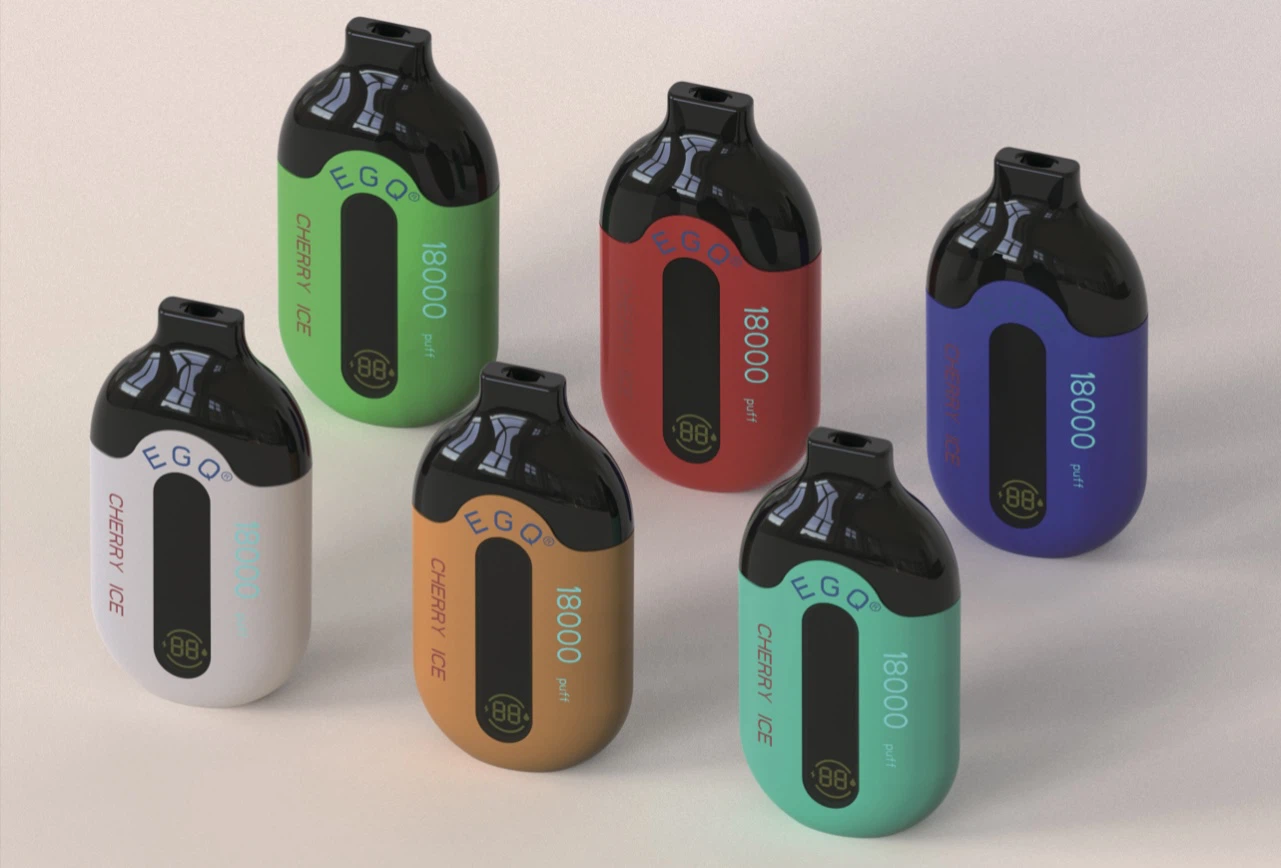
Mexican President: The Total Ban On E-cigarettes Has Officially Taken Effect
Leave a message
Mexican President: The total ban on e-cigarettes has officially taken effect
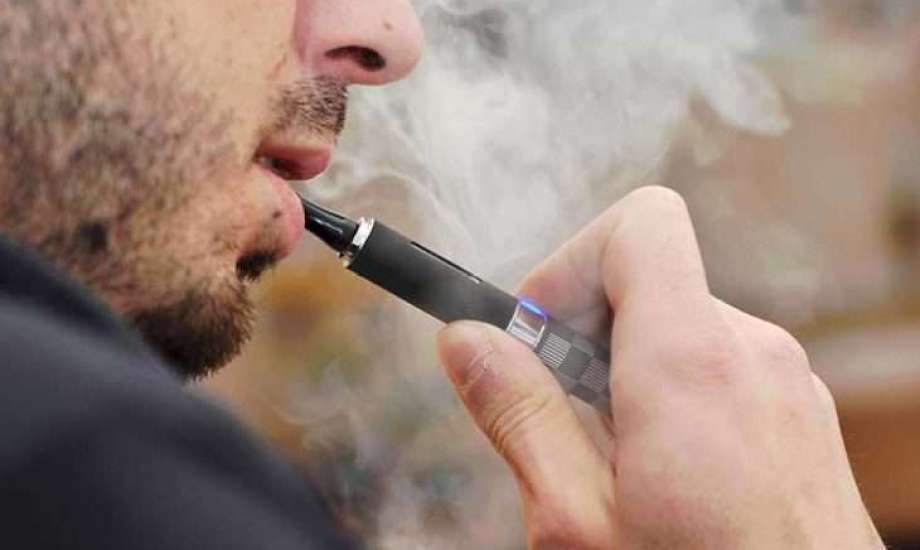
Mexico has implemented a comprehensive ban on e-cigarettes on January 18, 2025, prohibiting the production, sale and distribution of e-cigarettes and vaping devices, and all related activities will be considered crimes.
According to See.News on January 19, Mexico officially banned the production, sale and distribution of e-cigarettes and vaping devices. The law has been signed by Mexican President Claudia Sheinbaum as an important measure to protect public health. The new law came into effect on January 18, 2025, and all activities related to e-cigarettes, vaping devices and similar systems are considered crimes.
The ban also includes the manufacture, distribution, handling of hazardous substances, and the unauthorized use of synthetic drugs such as fentanyl. This legislation overturns any administrative or regulatory provisions that conflict with it to ensure implementation across the country.
Sheinbaum emphasized that the ban protects the health rights of all citizens. The legislation is in line with the amendments to Articles 4 and 5 of the Mexican Political Constitution, which was passed by the House of Representatives with an overwhelming majority in December 2024.
The decree requires Congress and the federal legislature to adjust the legal framework to comply with the new regulations within a specific time. Congress has 180 days to update the relevant laws, while federal entities must make the necessary adjustments within a year, aiming to ensure uniform implementation across the country.
Salomón Chertorivski, former health minister and head of the Jalisco State Public Health Advisory Committee, expressed concerns about the new law, saying that forcing manufacturers to disclose harmful chemicals in their products might allow consumers to better understand the risks. He warned that a total ban could encourage a black market for e-cigarettes, which could exacerbate public health hazards due to the circulation of unregulated products.