Is The E-cigarette Ban Unconstitutional? Kentucky Court Begins Hearing
Leave a message
Is the e-cigarette ban unconstitutional? Kentucky court begins hearing
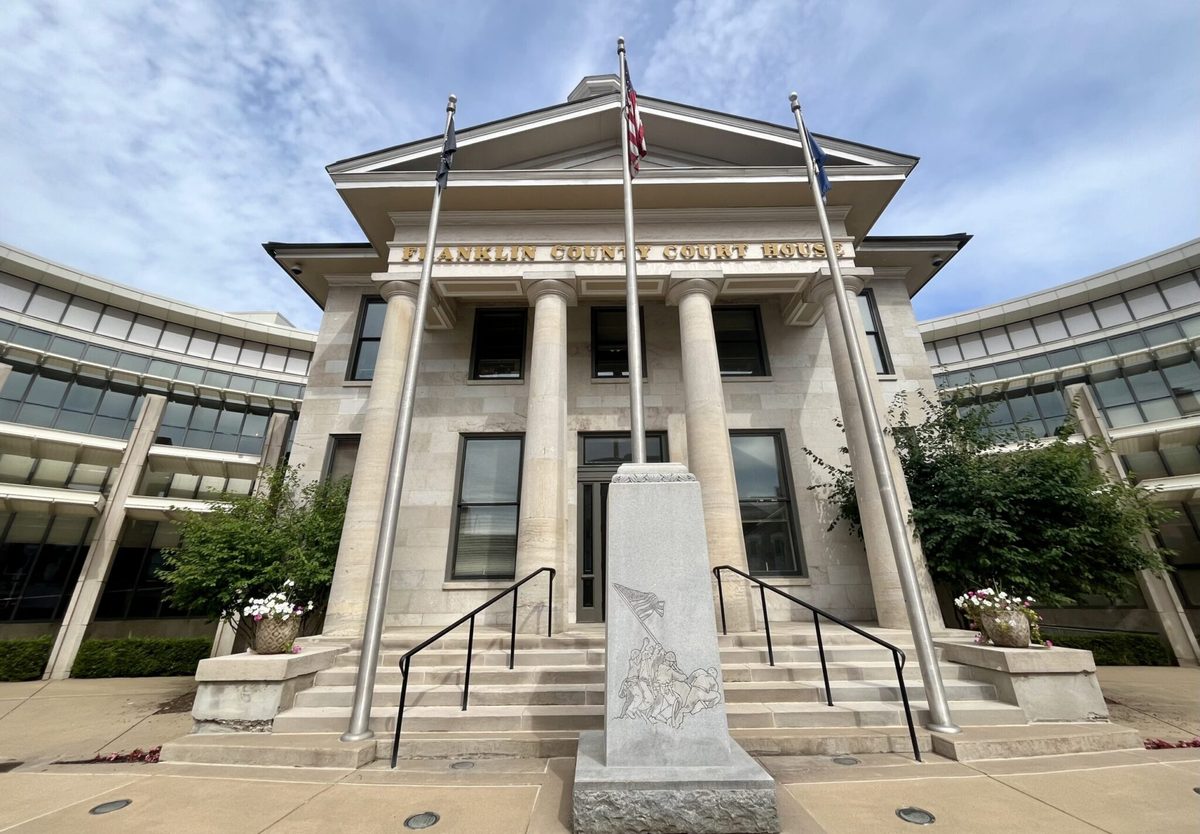
A Kentucky court heard a case challenging House Bill 11, with plaintiffs including the E-Cigarette Retailers Association and the Cannabis Association arguing that the ban is unconstitutional, while supporters call it a measure to protect minors.
According to Kentuckylantern on July 8, Flincklin Circuit Court Judge Thomas Wingate heard a case on Monday (8th) questioning whether the law banning the sale of certain e-cigarette products is constitutional.
The defendants in the bill, Allyson Taylor, Secretary of the Kentucky Department of Alcoholic Beverage Control, and Secretary of State Michael Adams, have applied to dismiss the case.
If Wingate approves the application, the plaintiffs, the Kentucky E-Cigarette Retailers Association, the Kentucky Cannabis Association, and four e-cigarette sales stores, will appeal the decision, and the plaintiffs have also applied for a court ruling. In any case, the case is far from settled. Wingate said he would need "some time" to review it.
The lawsuit revolves around House Bill 11, which was passed in the 2024 legislative session. Supporters of the bill say it's a way to curb underage vaping by limiting sales of "authorized products" or products that have received "safe harbor certification" under guidance from the U.S. Food and Drug Administration (FDA). Opponents say it will hurt small businesses and lead to monopolies for large retailers.
Tobacco giant Altria lobbied for the Kentucky bill and has pushed similar bills in other states, according to records from the Legislative Ethics Commission. The company has entered the e-cigarette sales market and sells a variety of FDA-approved e-cigarette products.
Greg Troutman, an attorney for the Kentucky Smoke Free Association, told the judge on Monday that one of the many problems with the new law is how it defines "vaping products" and "other substances" and lumps e-cigarettes and marijuana products together. He believes this combination makes the law too broad and arbitrary and unconstitutional.
For this reason, Troutman argued, the bill's title, "An Act Relating to Nicotine Products," does not fairly represent the content of the legislation.
Assistant U.S. Attorney Lindsey Keiser countered that the title doesn't need to cover the statute in its entirety.
"It's long-established that the title doesn't need to cover everything that the statute covers."
"The fact that the FDA approved so few products suggests that there are a lot of concerns about these products. So Kentucky has every reason to say, 'If the FDA is only approving such a limited number, let's approve as few as possible.'"
Troutman argued that the state's statute is flawed because it's built on a flawed federal process.
"Our state process was built before the federal process, which itself has been found to be arbitrary by at least two federal courts."