Health Canada Updates E-cigarette Compliance And Enforcement Report: Store Violation Rate 38%
Leave a message
Health Canada updates e-cigarette compliance and enforcement report: store violation rate 38%
The "Electronic Cigarette Compliance and Enforcement Report" released by Health Canada shows that between April 2023 and March 2024, 38% of professional electronic cigarette stores and 3.2% of gas stations and convenience stores were shut down for non-compliance, with the most common violations including promoting non compliant flavors and failing to label nicotine concentration or health warnings on packaging.
On October 24th, the official website of the Canadian government announced that the Department of Health has released the "Electronic Cigarette Compliance and Enforcement Report" for the period of April 2023 to March 2024.
From April 2023 to March 2024, Health Canada inspectors conducted on-site inspections at retail stores to verify compliance with the Tobacco and Electronic Cigarette Products Act (TVPA) and the Canadian Consumer Product Safety Act (CCPSA).
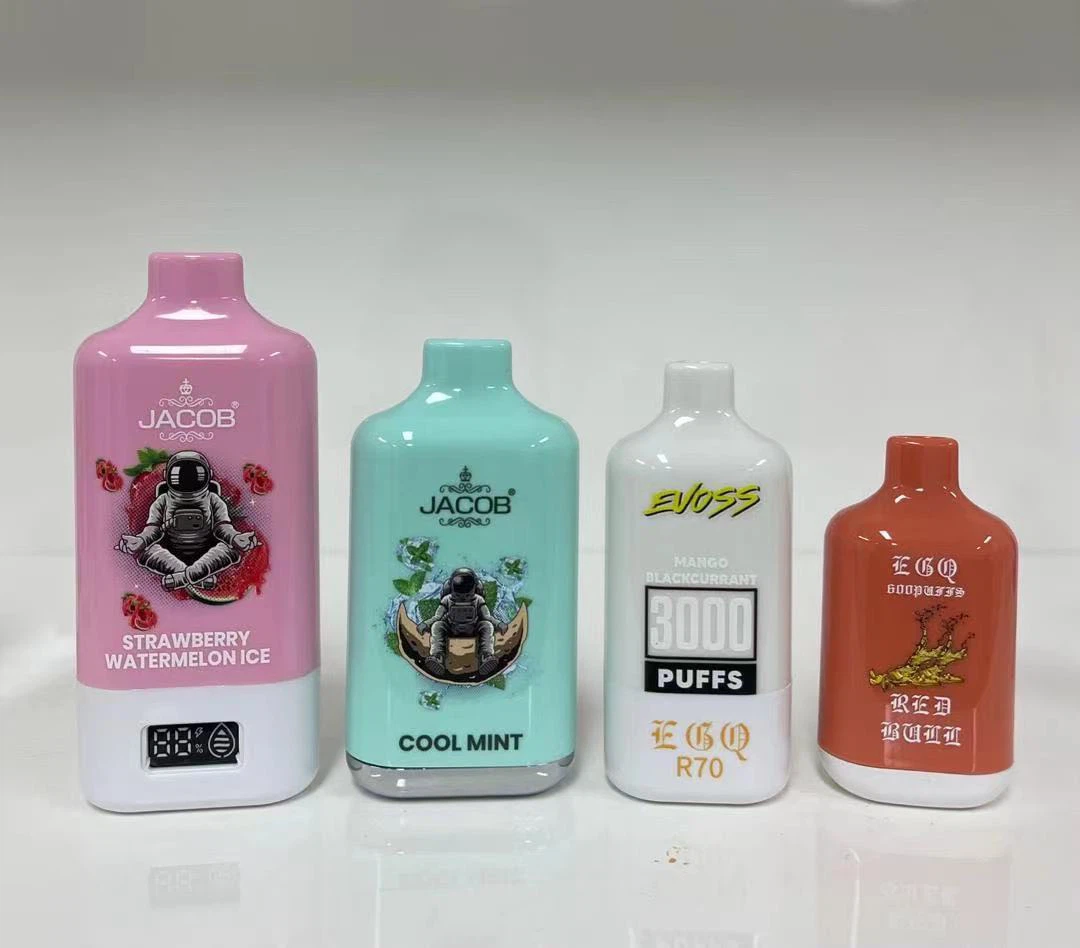
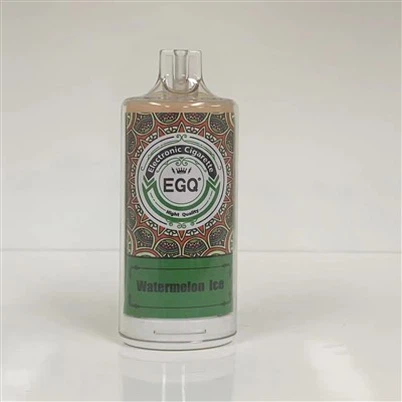
During this period, the Ministry of Health inspected a total of 288 professional electronic cigarette stores, of which 38% did not comply with regulations. Health Canada has seized illegal e-cigarette products from 109 e-cigarette stores. The most common types of non-compliance include promoting illegal flavors, not displaying nicotine concentration statements or health warnings on packaging, and packaging indicating that the nicotine concentration of electronic cigarettes exceeds 20 milligrams per milliliter.
Health Canada also conducted on-site inspections of 2015 gas stations and convenience stores, and found that 3.2% of the 1609 stores selling e-cigarette products had non-compliance issues. In response to these issues, Health Canada has seized substandard e-cigarette products at 51 gas stations and convenience stores, with the most common types of non-compliance being the promotion of non compliant flavors and packaging without nicotine concentration statements or health warnings.
In addition, among the gas stations and convenience stores that sold tobacco products that were inspected in 2004, 5.4% of the stores had non-compliance issues. Health Canada has seized substandard tobacco products at 108 gas stations and convenience stores. The most common type of non-compliance is packaging that does not comply with the requirements of the Plain and Standardized Appearance for Tobacco Products Regulations.
The department stated that the non-compliance situations and related enforcement measures listed in the report were determined by Health Canada inspectors during inspections and are limited to on-site or inspected products only. These inspections may only include some products and promotional activities found in a certain location. The report provides information on the inspection results conducted during a specific time period, without considering any additional compliance activities that may occur after the inspection.