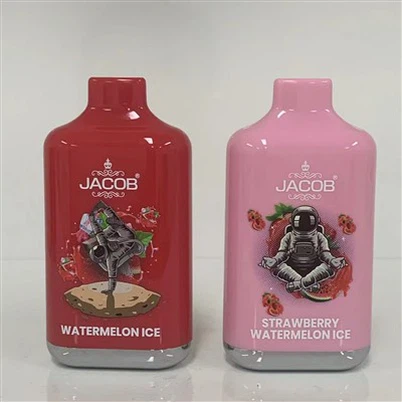
What kind of flavorings are used to flavor vape juice?
Leave a message
Vape juice flavorings are made from a wide variety of chemical compounds, not natural extracts. These are primarily food-grade additives, but they form complex combinations when used for vaping.
Here are specific examples of the chemicals used to create common vape flavors :
| Flavor Category | Examples of Specific Flavoring Chemicals Used |
|---|---|
| Fruit Flavors | Ethyl butyrate (ethereal/fruity), ethyl maltol (sweet), cis-3-hexenol (fresh/green), benzaldehyde (almond/berry) |
| Dessert & Sweet Flavors | Vanillin (creamy/vanilla), ethyl maltol (cotton candy), gamma-decalactone (creamy), furaneol (caramel/strawberry) |
| Tobacco Flavors | Ethyl maltol, vanillin, corylone, damascone (tobacco, floral, sweet notes) |
| Mint/Menthol Flavors | Menthol, menthone, limonene (minty, cooling) |
| Spice & Other Flavors | Cinnamaldehyde (cinnamon), eugenol (clove), eucalyptol (spicy) |
🧪 How Complex Are E-Liquid Flavorings?
The table shows just a few ingredients, but the reality is more complex:
Many chemicals per bottle: An average commercial e-liquid contains a blend of 6 to 10 different flavoring chemicals to achieve its taste .
Common base notes: Across all flavor types, vanillin (vanilla), ethyl butyrate (fruity), and cis-3-hexenol (fresh) are among the most frequently found ingredients .
Specific vs. shared ingredients: While some chemicals are specific to a flavor (like cinnamaldehyde for cinnamon), many are used across categories. For instance, vanillin and ethyl maltol appear in fruit, dessert, and tobacco flavors .
⚠️ Key Considerations About Flavorings
Ingredients Often Aren't Listed: Manufacturers are rarely required to disclose the specific flavoring chemicals used . The flavor on the label (e.g., "Mango") doesn't tell you which of the many possible chemical combinations is inside .
Oral Safety ≠ Inhalation Safety: These chemicals are approved as food additives for eating, but there is limited long-term safety data on regularly inhaling them into the lungs . This is a fundamental unknown in vaping.
Potential for Harmful Compounds: Some flavoring chemicals have known risks. For example, diacetyl (used for buttery flavors) is linked to serious lung disease and has been found in some e-liquids, though many manufacturers have removed it .
To make more informed choices, you could:
Choose simpler profiles: Opt for single-note flavors (like "Strawberry") over complex blends (like "Strawberry Banana Custard"), as they may contain fewer chemicals.
Check for quality standards: In regulated markets like Europe, look for brands that comply with standards (e.g., EU's TPD), which require some level of ingredient reporting and purity.
I hope this detailed breakdown helps you understand what creates the taste in vape juice. Would you like me to explain more about how these flavoring chemicals are tested or delve deeper into the health studies on specific ones like diacetyl?