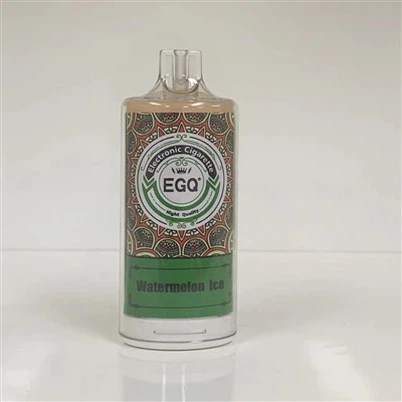
Does e-cigaretter/vape juice contain antifreeze?
Leave a message
E-cigarettes do not contain "antifreeze" as a product, but they can and do contain specific chemical compounds that are also industrial ingredients in antifreeze solutions.
Some ingredients, like propylene glycol, are commonly used in both food products and industrial applications, including antifreeze. However, other more toxic chemicals, like diethylene glycol, have also been found in some vape liquids.
🔬 Chemicals Found in Vapes That Are Also Used in Antifreeze
The table below clarifies the chemicals of concern:
| Chemical Name | Primary Use in Vapes | Connection to Antifreeze | Prevalence & Concern |
|---|---|---|---|
| Propylene Glycol (PG) | Common base liquid to carry flavor and create vapor. | A common ingredient in non-toxic, "pet-safe" antifreeze. | Very common & expected. Generally recognized as safe for ingestion, but inhalation safety is less studied. |
| Diethylene Glycol | Not an intended ingredient; considered a harmful contaminant. | A toxic chemical used in industrial antifreeze and solvents. | Not common, but found. Its presence indicates contamination or unregulated manufacturing, and it is linked to lung disease. |
| Ethylene Glycol | Not an intended ingredient in legitimate products. | The primary toxic ingredient in standard automotive antifreeze. | Rare in tested products. Extremely toxic if ingested. |
🧪 Why Are These Chemicals in Vapes?
These substances appear for a few key reasons:
Dual-Use Ingredients: Propylene glycol is used in many consumer goods (food, medicine, cosmetics) for its solvent and moisture-preserving properties, making it a logical choice for e-liquid.
Contamination & Lack of Regulation: The presence of toxic chemicals like diethylene glycol points to unregulated, non-standardized manufacturing, especially in illegal or black-market products.
Inadequate Disclosure: E-liquid labels are often incomplete or inaccurate, so users cannot reliably know what they are inhaling.
💡 What This Means for You
The presence of these chemicals highlights two major issues:
"Food-Grade" Does Not Mean "Lung-Safe": Many ingredients are approved for eating but not tested for long-term inhalation. Heating them in a vape can create new toxic compounds.
Uncertainty is the Norm: Especially with products purchased online or without proper regulation, you cannot be sure of their contents or safety.
🛡️ Practical Guidance
Understand the Risk: Vaping involves inhaling a mix of chemicals with unknown long-term health effects. There is no completely "safe" e-liquid.
Be Highly Skeptical of Sources: Avoid illicit or unregulated vapes, as they carry a much higher risk of contamination.
Seek Professional Support: If you are using vaping as a method to quit smoking, consulting a healthcare professional for guidance is strongly recommended.
I hope this clarifies a complex issue. Would you like me to explain more about the specific health effects linked to chemicals like diacetyl or heavy metals, which are also sometimes found in vapes?