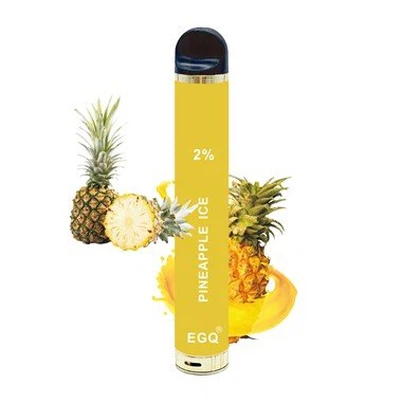
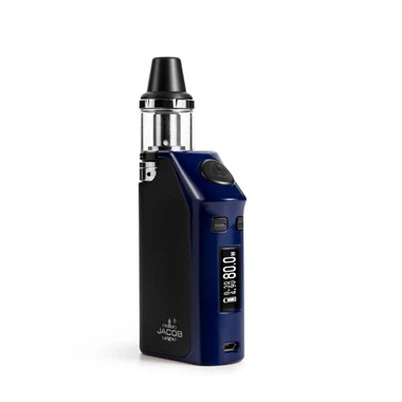
Vaporizer
Leave a message
The term "vaporizer" actually has two meanings. The specific differences are listed below for your reference:
Aspect:
Meaning One: Electronic cigarette device
Meaning Two: Medical/household humidification and atomization device
Definition: Usually refers to the core heating component of an electronic cigarette, and also generally refers to the device that heats the e-liquid to produce aerosol for inhalation by the user to simulate the smoking sensation or intake of nicotine and other substances.
Core Function: Heating and atomizing the liquid (such as e-liquid or water) to produce aerosol for inhalation by the user, to simulate the smoking sensation or intake of nicotine and other substances.
Therapeutic Inhalation: Atomizing the prescribed medicine (such as bronchodilators) for treating respiratory diseases like asthma. Air Humidification: Increasing indoor humidity to relieve nasal congestion, dry skin, etc. caused by colds, flu, allergies, etc.
Common Devices: Disposable electronic cigarettes, refillable electronic cigarettes (such as JUUL), oil-injecting large smoke devices (Mod), etc.
Medical Compression Atomizers, Medical Ultrasonic Atomizers, Household Cold Mist Humidifiers (ultrasonic or fan type), Warm Mist Vaporizers.
Usage Materials: Electronic e-liquid (often containing nicotine, various flavoring essences, propylene glycol, glycerin, etc.) or substances like THC.
Medical Atomizers: Prescribed liquid by doctors (such as salbutamol, budesonide, etc.). Household Humidifiers: Usually pure water or dedicated humidifier liquid.
Health Effects: Inhalation of chemical substances has clear health hazards, may cause lung damage, nicotine addiction, cardiovascular problems, etc.
When used correctly, it can be used for treatment or symptom relief. However, if the humidifier liquid is accidentally ingested, it may cause poisoning, especially for children. When using, it is necessary to pay attention to cleaning to prevent bacterial growth.
Typical Application Scenarios: Leisure consumption, often as a fashionable behavior or smoking cessation aid (the latter is highly controversial).
Medical Scenarios (hospitals, home humidification treatment) and daily life (improving a dry indoor environment).
Legal Regulation: In China, it is strictly regulated by the "Electronic Cigarette Management Measures", and unauthorized production, sales, and import are illegal.
Usually managed as ordinary household appliances or medical devices, not within the scope of tobacco regulation.
?? A common misunderstanding: "Herbal Atomizers"
Products often labeled as "herbal atomizers" appear on the internet, claiming to be "healthy and harmless", "0 tar, 0 nicotine", "can treat pharyngitis", etc. However, according to Chinese regulations, although these products have changed their names, their working principle is exactly the same as electronic cigarettes, so they are recognized as electronic cigarettes rather than true therapeutic atomizers or devices for heating plant extracts. Consumers need to carefully distinguish and avoid being misled.
?? Summary
In conclusion, the term "Vaporizer" refers to completely different devices and purposes in different contexts.
For electronic cigarettes, regardless of their various names (such as herbal vaporizers), they are subject to strict regulations and carry clear health risks.
For medical or household nebulizers, they are tools designed for treatment or improvement of the environment. They have certain practical value when there is a clear need.
If you have any further questions about the specific dangers of e-cigarettes or the relevant regulations, I can provide you with more detailed information.