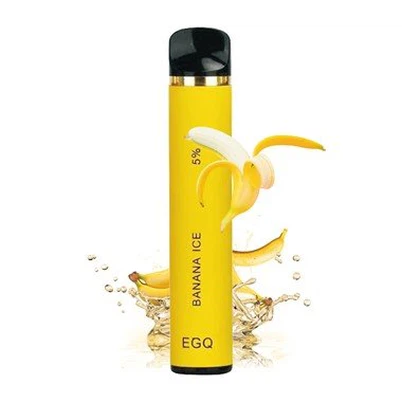
Vape juice
Leave a message
E-cigarette liquid (Vape Juice/E-Liquid) is the core liquid of electronic vaping devices. Its essence is not harmless water vapor.
?? Definition, Usage and Components
E-cigarette oil is a liquid mixture that, when heated, generates aerosol (often mistakenly referred to as "steam") for inhalation by users.
Its main components can be classified into several categories:
Base solvent: Usually composed of propylene glycol (PG) and vegetable glycerin (VG) mixed in different proportions. PG is responsible for providing a "throat-stinging sensation" similar to smoking and carrying the fragrance; VG is responsible for generating a large amount of vapor.
Core component: Mainly nicotine, which is the substance that causes addiction. Some e-liquids also contain THC (tetrahydrocannabinol, the psychoactive component in marijuana).
Additives: Mainly edible flavorings, used to provide different flavors. Common illegal additives include synthetic cannabinoids and etomidate, which are the main components of "high-inducing e-cigarettes" and are extremely harmful.
Harmful by-products: It should be noted that during the heating process of the e-liquid, new substances such as formaldehyde, acetaldehyde (a type of carcinogen), and acrolein (a irritant) are produced.
?? Types of E-liquid
E-liquid is mainly classified based on the following aspects:
In the ratio of PG to VG:
High PG (such as 50/50): The texture is thin, the throat-stimulating effect is strong, the smoke is small, and it is suitable for low-power devices.
High VG (e.g. 70/30): Thick texture, smooth taste, strong smoke, suitable for high-power equipment.
Balanced type: Achieves a balance between smoke quantity, flavor and throat hit, with strong versatility.
By nicotine type:
Free base nicotine: The traditional form of nicotine, with a distinct throat hit. It is often used in combination with high VG oil in large vapor devices, and has a lower concentration (such as 3mg or 6mg).
Nicotine salt: Compared to free base, it has a milder acidity and a smoother throat sensation. It allows for the use of high concentrations (such as 20mg, 35mg, 50mg) in low-power small cigarette devices. The satisfaction from nicotine comes faster, making it suitable for those trying to quit smoking.
Synthetic nicotine: Synthetic nicotine is not extracted from tobacco.
By flavor:
Fruit flavor: Simulates various fruit flavors, and is one of the most popular flavors.
Tobacco flavor: Mimics the traditional tobacco taste.
Sweet/dessert flavors: such as cakes, cookies, etc.
Drinks / Mint Flavor: Such as coffee, milk tea, mint, etc.
Tobacco limit: Many countries and regions have begun to impose restrictions or bans on flavored e-cigarettes. For instance, since 2022, China has prohibited the sale of flavored e-cigarettes except for tobacco flavors.
According to nicotine concentration: ranging from 0 mg/ml (without nicotine) to 50 mg/ml (extremely high concentration).
According to packaging specifications: Common types include disposable cartridges (pre-filled, ready to use immediately), refillable bottled e-liquid (suitable for open devices, offering more options) and short-fill bottles (without nicotine, requiring the addition of nicotine base by oneself).
?? Health Risks and Safety Issues
E-cigarettes are not harmless. The main risks include:
Exposure to harmful substances: The aerosol contains I-class carcinogens such as formaldehyde, heavy metals, ultrafine particles, etc. Long-term inhalation can damage the lungs. Some flavoring additives (such as diacetyl) may cause serious lung diseases.
Addiction: Nicotine is highly addictive and can lead to dependence.
Cardiovascular effects: It will raise blood pressure, increase the burden on the heart, and accelerate atherosclerosis.
Impact on teenagers: It affects brain development, impairs concentration and memory, and may serve as a gateway for the use of traditional cigarettes.
Product is unsafe: Inferior products may cause battery explosions and leakage. The e-liquid may be contaminated. There have been cases where people died after consuming contaminated e-liquid.
The "0 Nicotine" Trap: Many products claiming to be "0 nicotine" actually still contain nicotine.
Concerns about helping with smoking cessation: The World Health Organization and other authoritative institutions have clearly stated that e-cigarettes are not recognized as an effective method for quitting smoking.
⚖️ Regulations and Safety Instructions
Legal channels: Purchase only through the unified national electronic cigarette trading management platform. Online retailing is illegal.
Product restrictions: Only tobacco-flavored electronic cigarettes are allowed for sale through official channels in the market. Other fruit-flavored or other flavored electronic cigarettes are illegal products.
Nicotine limit: The nicotine concentration in the vaporizer product should not exceed 20mg/g, and the total nicotine content should not exceed 200mg.
Notes:
Child safety: All e-cigarette products must be kept out of the reach of children. Liquid nicotine is extremely toxic and even a few milliliters swallowed could pose a life-threatening danger to children.
Be vigilant about "top-level" electronic cigarettes: Always purchase through legal channels. Be cautious of products with unknown origins, especially the e-liquids that claim to offer "special experiences". They are highly likely to contain synthetic cannabinoids or etomidate and other drug components, causing irreversible and serious harm to the body and mind.
Be vigilant against the new "masking devices": The products such as "herbal vaporizers" and "plant beverages" that have emerged on the market are actually variations of electronic cigarettes and are also subject to strict supervision by the state.
?? Summary
E-cigarette liquid is a complex chemical mixture with clear health risks. It is by no means harmless "vapor". Its components will produce various known harmful and potentially harmful substances during the heating process. The key point is that e-cigarette liquid is not a harmless consumer product. Its purchase and use are subject to strict legal restrictions in many regions.
If you or someone around you is considering using e-cigarettes, be sure to fully understand these health risks. If you are considering e-cigarettes as a way to quit smoking, it is recommended to consult a professional smoking cessation clinic or doctor to obtain evidence-based smoking cessation advice.