The Philippine Department Of Trade And Industry Has Revised The Technical Regulations On E-cigarettes, And The Review Process Will Face Major Changes
Leave a message
The Philippine Department of Trade and Industry has revised the technical regulations on e-cigarettes, and the review process will face major changes
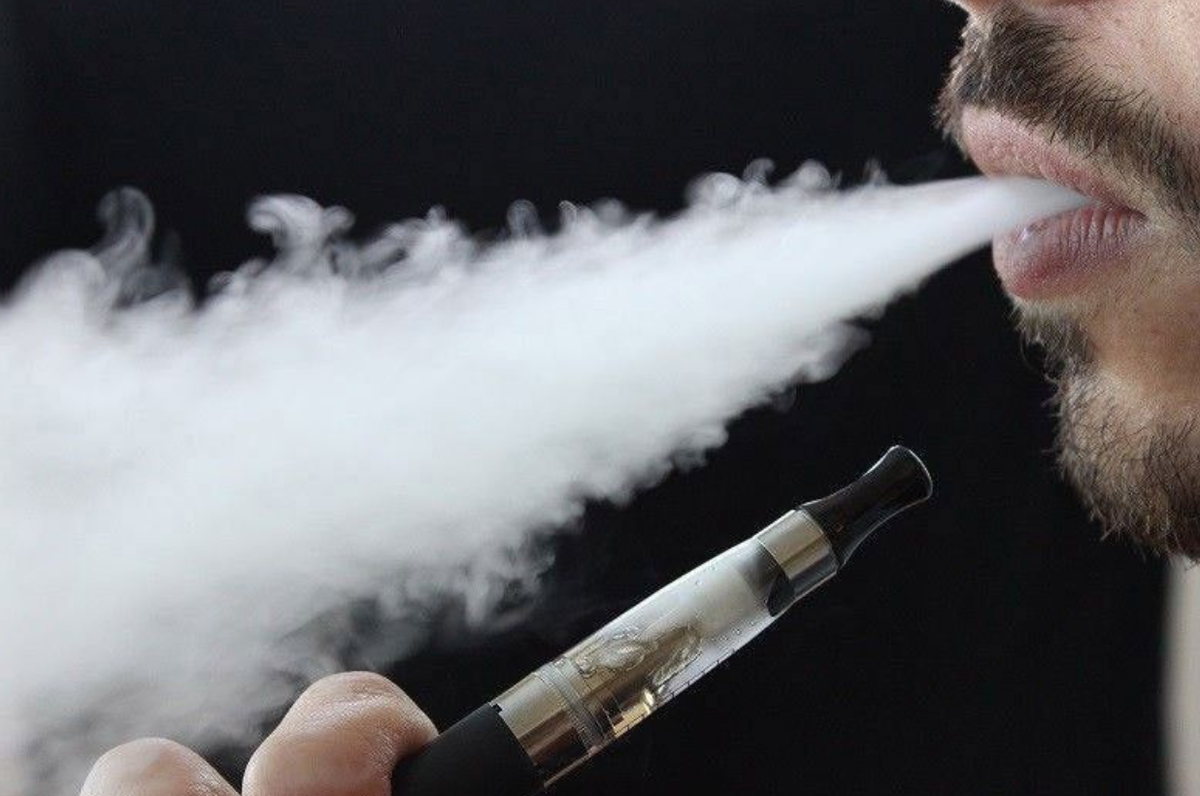
The Department of Trade and Industry of the Philippines is revising the technical regulations for e-cigarette products, and major changes are expected to be made to the review process for companies selling such products. The new regulations require all e-cigarette products to obtain a Philippine Standard (PS) license, otherwise they will be considered illegal.
According to Pressreader on December 16, the Department of Trade and Industry of the Philippines (hereinafter referred to as "DTI") is revising the technical regulations for e-cigarette products, and major changes are expected to be made to the review process for companies selling such products.
Perpetua Werlina Lim, assistant director of the Bureau of Consumer Policy Advocacy, said in a radio program on Saturday (14th) that departmental administrative orders No. 22-06 and No. 24-02 will be revised.
Previously, these products needed to be tested. But now, there will be an audit process and the audit results will be required to be submitted directly to the Department of Trade and Industry. The official pointed out that stakeholders can submit feedback on the changes to the technical regulations before December 19.
According to the DTI's 2024 document, audits and sampling will be conducted by regional or provincial offices, the Bureau of Philippine Standards (BPS) or its approved auditing agencies. The process of applying for a Philippine Standard (PS) license will target specific factories, production sites, and importers, local offices or agents.
Merchants who sell e-cigarette products without a PS license will be considered illegal. Their products will be confiscated, their operations will be suspended, and they will be punished.
In July 2022, Republic Act No. 11900 or the E-Cigarette Act of the Philippines came into effect, and its implementing rules were issued in December of the same year. The DTI announced in June that it had confiscated e-cigarette products worth 32.76 million pesos (US$560,000) from January to May this year.