The Korean Anti-Tobacco Society Proposed Five Tobacco Laws And Called For A Ban On Disposable E-cigarettes
Leave a message
The Korean Anti-Tobacco Society proposed five tobacco laws and called for a
ban on disposable e-cigarettes
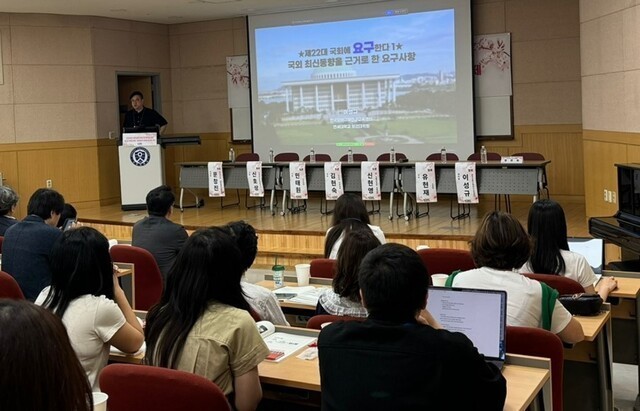
The Korean Anti-Smoking Society called for five key legislative tasks in the next four years to strengthen the regulation of synthetic nicotine products and e-cigarettes, and proposed to revise the Tobacco Business Act to fully cover the needs of new tobacco products.
Two Supreme News】 According to the Korean media N News on June 17, the Korean Anti-Smoking Society proposed five "legal tasks to prevent smoking and promote smoking cessation" to the 22nd National Assembly at the recent spring academic conference, hoping to actively promote the amendment and formulation of relevant laws in the next four years to further strengthen the regulation of tobacco and nicotine products.
The five proposed legislative plans include:
Revising the definition of "tobacco" in Article 2 of the Tobacco Business Act: Including synthetic nicotine products in the scope of regulation to make up for the shortcomings of current regulations;
Prohibiting flavored tobacco: Preventing the behavior of inducing teenagers and children to start smoking by adding flavors;
Prohibiting tobacco displays in retail stores such as convenience stores: Limiting the visibility of tobacco products at the point of sale and reducing the exposure opportunities of the public, especially minors;
Advertising-free standardized cigarette packaging (Plain Packaging): Reducing the attractiveness of tobacco products by simplifying and unifying cigarette packaging and removing attractive designs;
Prohibiting disposable e-cigarettes: Curbing the use and sale of disposable e-cigarettes and reducing their appeal to teenagers.
According to statistics from the Ministry of Health and Welfare of South Korea, a total of 67 bills involving tobacco regulation were proposed in the 21st National Assembly (including 4 government proposals and 63 member proposals), but only 3 were passed in the end.
The three passed bills are:
Expanding the scope of application of the National Health Promotion Burden: Expanding from traditional tobacco leaves to raw materials such as stems and roots (effective in August 2021).
Expanding no-smoking areas around educational facilities: Protecting minors from tobacco smoke (effective in August 2024).
Enacting the Tobacco Harmful Components Management Act: Analyzing and disclosing the harmful components of tobacco (effective in November 2025).
Although the enactment of the Tobacco Harmful Components Management Act is the result of more than a decade of efforts by the Ministry of Health and Welfare and the Korean Anti-Smoking Society, the bill faces challenges with some "toxic clauses". Under the current Tobacco Business Act, the law only applies to products defined as "tobacco". Therefore, synthetic nicotine products that currently dominate the market, as well as the more recently emerging nicotine-free liquids (including nicotine analogs), are not within its regulatory scope. This makes it possible for these products to circumvent legal supervision and weaken the effectiveness of the law.
Therefore, the Korean Anti-Smoking Society urges that the Tobacco Business Act must be revised as a priority before the implementation of the Tobacco Harmful Components Management Act to ensure effective regulation of all tobacco and nicotine products and avoid the law becoming a "half-baked bill".