Malaysia Will Implement A Phased Approach To Ban E-cigarettes, But The Timetable Has Not Been Determined.
Leave a message
On the evening of September 10th, Malaysian Health Minister Zulkifli Abdullah stated in a written reply to the parliament: The federal government has decided to "fully ban the sale of electronic cigarettes", but it will be implemented "in stages" to avoid sudden market disorder.
Two-step logic
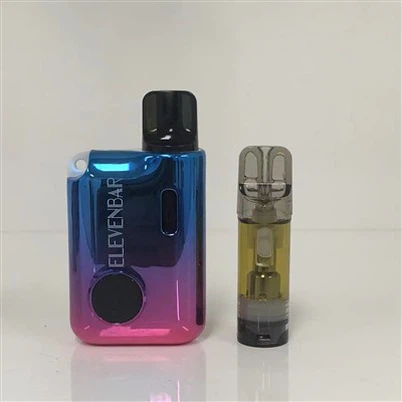
Step 1: First, ban "open-type" devices - those that can be refilled with oil and have adjustable power.
Step 2: Then, ban all of them, including disposable small cigarettes, closed-type reloadable ones, and all other categories.
The minister did not disclose how long the two stages were apart, only emphasizing "start with the easier ones and gradually tighten the restrictions".
Who is in charge?
The Ministry of Health is leading the effort and has held detailed discussions with the Ministry of Finance, the Customs Bureau, the Ministry of Domestic Trade, the Ministry of Interior (police), the Ministry of Trade and Industry, and the Legal Consultation Bureau. The next step: The research results and implementation details will be submitted to the Cabinet together and will only come into effect after it is signed and confirmed by the Cabinet.
What does this mean for businesses and consumers?
Stockpiling for profit? The cost of breaking the law will surely soar, and the police and customs will closely monitor storage and borders simultaneously.

Trying to skirt the law through "reload" methods? The second stage is also included in the ban, leaving no gray areas.
What about smokers who want to quit? The official stance is: The approved nicotine replacement therapy (NRT) will be promoted simultaneously, and the number of smoking cessation clinics will be strengthened.
The timetable remains blank
The minister only provided the "sequence" and did not give the "dates". According to Malaysian legislative practice, after the Cabinet approves, it still needs to be published in the Gazette, leaving a transition window for the market and the public of only 1-3 months. Businesses that want to "exit" should hurry to clear their inventories and switch to new business models.
Regional trendsetter
Thailand and Singapore have already completely banned the sale of e-cigarettes, while Indonesia imposes heavy taxes. Malaysia chose to "restrict first and then ban", aiming to curb the abuse by teenagers while also fearing it would impact employment and tax revenue. Once implemented, the electronic cigarette landscape in Southeast Asia will lose another "green oasis".
Closing remarks:
The policy has not yet been implemented, but the direction is clear. Whether it's retail store owners, importers, or ordinary users, don't treat "in stages" as "the wolf is coming". The next Cabinet meeting might be the starting point of the countdown.