Mongolia Proposes To Implement Comprehensive Regulation Of Electronic Cigarettes in Accordance With The Tobacco Law.
Leave a message
According to the ZUV news report on November 25th
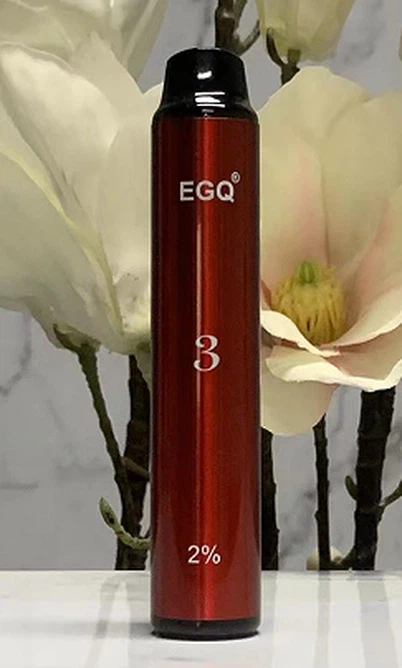
1. The legislative background: The Mongolian Human Development and Social Policy Committee began to review the amendment to the new "Tobacco Control Law". Proposed by MP O. Nominchimeg and 78 other MPs in a joint proposal. The surge in e-cigarette usage and the popularity among teenagers became the main reasons for the legislation.
2. Data highlights (severity of the problem) E-cigarette imports have increased by 175 times in 4 years: 47,000 in 2020 → 8.2 million in 2024. The tobacco usage rate in Mongolia is 28.4%, the seventh highest in the WHO Western Pacific Region. Among 13-17-year-olds: 1/25 smoke and 1/4 use e-cigarettes (the prevalence far exceeds that of traditional cigarettes).
3. MP viewpoints (reasons for promoting the legislation) E-cigarettes are not a proven harm-reducing tool; instead, they increase the risk of nicotine addiction among teenagers by 3-5 times. Studies have shown that they can cause respiratory inflammation, cardiovascular effects, and addiction. Nominchimeg emphasized: "Without imposing a tax, we are pushing 4,300 Mongolians towards death every year."
4. Core content of the bill (regulatory plan) The proposal plans to incorporate e-cigarettes into a regulatory system that is fully equivalent to traditional cigarettes, including: same tax and same regulation: e-cigarettes are subject to the same laws and tax system as cigarettes. Tax increase plan: gradually increase the consumption tax from 2026 to 2030. No-smell policy: ban all flavored e-cigarettes. No visible display in stores (hidden display system). Complete ban on vaping / smoking in public places, including outdoor open areas.
5. Economic and tax arrangements The tax burden on cigarettes in Mongolia is only 40% of the selling price, one of the lowest in the world. WHO data: cigarette prices in developing countries have increased by 10%, and consumption can decrease by 4-7%. The increase in taxes will be used for: anti-smoking education for teenagers, school nutrition and welfare, youth health activities, and public facilities.
6. Parliamentary direction and controversy Many MPs support the legislation, but are concerned about economic impacts and tobacco lobbying pressure. Some MPs have requested that the new tax be incorporated into the health insurance fund. The committee ultimately decided to submit the bill to the full parliament for discussion and enter the next legislative stage.