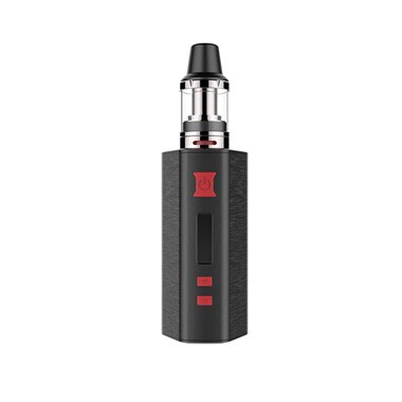
Another State in The United States Will Ban Unapproved E-cigarette Products On September 1st. The Legislators in Wisconsin Plan To Eliminate The Sale Of Such Unapproved E-cigarettes.
Leave a message
Although some small businesses are filing lawsuits to prevent the enforcement of this law, this dispute occurred between a non-profit industry organization composed of e-cigarette store owners and the Wisconsin Tax Bureau Director. The trial date of the WISCOFAST v. Casey case will be determined later this week, and it will be then determined whether Wisconsin will ban e-cigarette products that have not been approved by the FDA.
Tyler Hall, the founder of WISCOFAST, said that if the ban takes effect, thousands of businesses will be affected. "The e-cigarette stores in the state will no longer be able to sell the traditional e-cigarette products they have been using for the past decade." According to the law, only non-nicotine or mint-flavored e-cigarette products approved by the FDA can be sold.
Hall said that the current approved product list in Wisconsin does not include any flavored e-cigarettes. "We filed a lawsuit in June and it is still under trial."
WISCOFAST has filed a lawsuit with the federal court against the state to challenge the state's ruling. "We held a hearing on August 1st, and the judge heard the arguments from both sides," Hall said. "We are the plaintiffs and the state is the defendant. The judge is currently weighing various options. He did indeed state at the hearing that he hopes to make a ruling before the September 1st enforcement date."
Tim Frey, the spokesperson for Ignite Dispensary, said that if businesses attempt to sell any e-cigarette products that have not been approved by the FDA, they will be fined thousands of dollars.
"If the bill takes effect on September 1st, basically, I will have to remove all the products from the store. Except for the goods registered in Wisconsin. If it is later discovered that they continue to sell, each cigarette will be fined $1,000 per day," Frey said. "If I have five different, or even one brand of cigarettes, with different nicotine concentrations, then each concentration of cigarette represents a different cigarette. So, just five different nicotine concentrations of cigarettes could cost thousands of dollars."