

Dutch Court Supports Ban On Flavored E-cigarettes, Rejects Lawsuit Against British American Tobacco
Leave a message
Dutch court supports ban on flavored e-cigarettes, rejects lawsuit against British American Tobacco
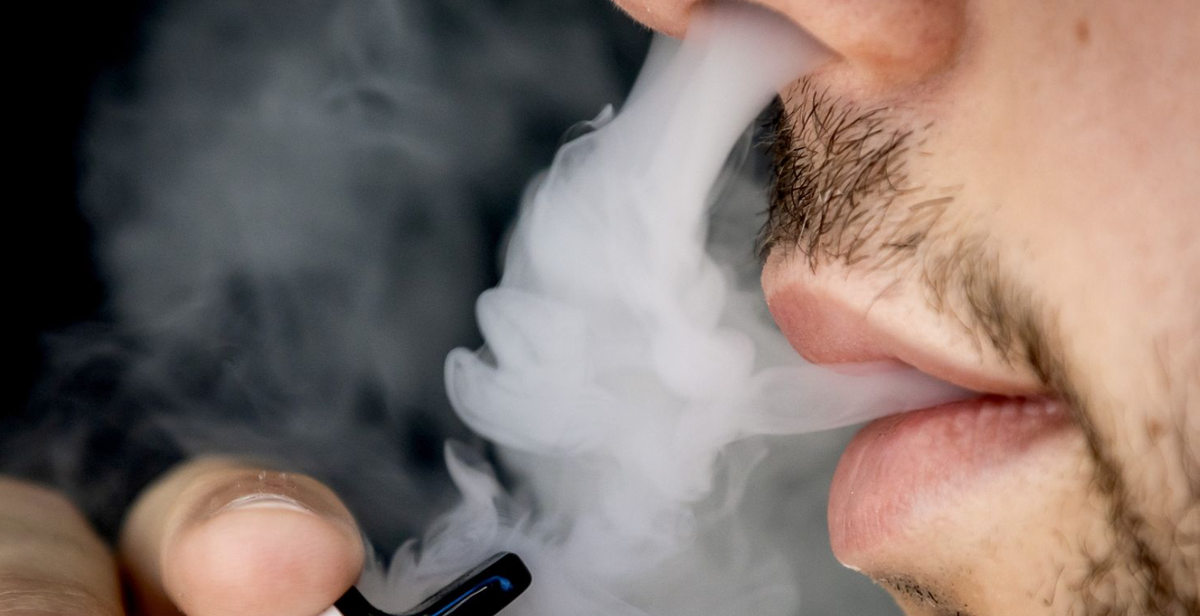
The Dutch court supports the ban on electronic cigarette seasoning and rejects the lawsuit filed by British American Tobacco (BAT) and its affiliates. The court believes that although the ban may affect the free flow of goods, it is appropriate and necessary for the public health interest.
According to RD's report on November 6th, the Hague District Court ruled that the Dutch government has the right to ban e-cigarette flavors to protect public health.
This ruling was made in a legal lawsuit filed by British American Tobacco (BAT) and its affiliated company Nicoventures.
According to the ban in the Netherlands in 2020, electronic cigarettes can only add specific tobacco flavors. The government has found that sweet flavored e-cigarettes may ultimately encourage people to smoke traditional cigarettes, and the government's goal is to achieve a 'smoke-free generation' by 2040.
The court believes that there is no need for scientific evidence to support the ban on whether electronic cigarettes promote the use of traditional cigarettes. The harm of electronic cigarettes and the temptation of sweetness to young people are sufficient to prove the rationality of the seasoning ban.
BAT and Nicoventures believe that the ban violates the principle of free circulation of goods within the European Union. Additionally, the ban may have the opposite effect as fewer smokers will attempt to quit using e-cigarettes.
The court believes that such potential adverse effects are not sufficient to be a problem. The state has "political evaluation space, within the framework of public health, to pay more attention to the interests of young people and the future smoke-free generation." The court acknowledges that the seasoning ban violates the free flow of goods, but states that if such infringement is for the protection of public health and is "appropriate, necessary, and proportional," then it is acceptable.


