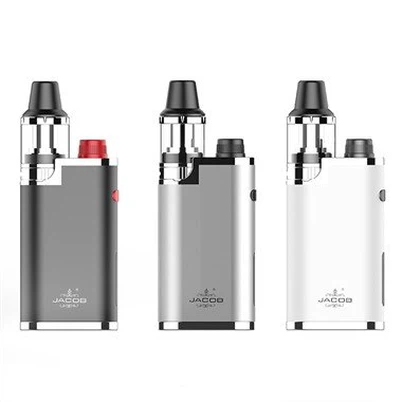
Would airport security suspect a vape to contain THC?
Leave a message
Yes, airport security is likely to suspect that your e-cigarette contains THC. Their methods go far beyond just using X-ray machines. The key point is that even if the machines themselves cannot directly identify the composition of the substance, as soon as the security personnel become suspicious, the legal consequences begin.
?? The "Triple Screening Network" of Security Personnel
Airport security is not just about passing through X-ray machines; it is a multi-layer screening system consisting of several steps, each of which may reveal risks.
X-ray machine scan: It will clearly show the internal structure of the e-cigarette device, including the battery, coil, and the container holding the unknown liquid. However, please note that the X-ray machine cannot conduct chemical composition analysis. It cannot directly tell you whether the cartridge contains nicotine or THC. It will only trigger an on-site inspection if it detects a suspicious object.
Manual (physical) inspection: This is the part where the risk significantly increases. Once the X-ray image appears "abnormal", the security personnel will open the package for inspection. At this point, the following details will directly expose the risks:
Packaging and labeling: The original packaging with words like THC, Cannabis, Kush, etc., or any marijuana-related labels are the strongest evidence.
Odor and residue: Even if the packaging is perfect, the distinctive odor emitted by the THC concentrate, or the sticky oily residue at the interface of the cartridge, are undeniable flaws.
Device appearance: Some of these devices are specifically designed for "waxy" cannabis concentrates, and experienced security personnel might be able to recognize them at a glance.
Behavior and conduct: If you show signs of nervousness, avoid eye contact, and exhibit suspicious behavior when going through security checks, it could be a reason for being stopped for inspection.
Sniffer dog screening: This is a highly effective supplementary method. No matter where THC is hidden, the professionally trained drug-sniffing dogs can accurately detect its presence through their acute sense of smell. Even though the TSA's dogs are mainly focused on explosives, drug-sniffing dogs from local law enforcement agencies may also be deployed in the airport.
⚖️ What severe consequences will one face if suspected?
Once the TSA's suspicion mechanism is triggered, the entire process will be very direct and swift:
Handover of law enforcement duties: The responsibility of the TSA is to ensure aviation safety, not to combat drug trafficking. However, when they discover suspected illegal items, according to the law, they must immediately stop the security check and notify the airport police or local law enforcement agencies to handle the situation on-site. At that time, you will be facing law enforcement officers, not TSA officials.
Legal ruling: At this point, the state's "legalization" no longer applies because TSA is a federal agency and its jurisdiction is subject to federal laws. According to US federal law, marijuana and THC products remain classified as first-class controlled drugs and are strictly prohibited.
Final outcome: The severity of the consequences depends on the laws of the location of the airport. From the mildest confiscation and fines, to criminal charges, and even the most severe immediate arrest, all are possible. Your travel plans will be completely disrupted, and you may even be placed on the no-fly list by the airline.
?? Summary
To sum up, there is a high possibility that airport security checks will suspect your e-cigarette, and you can hardly completely avoid this risk. This has nothing to do with luck but is rather a battle against a well-established security system and strict laws and regulations. Therefore, the safest and most responsible approach is only one: do not carry any THC products when flying.