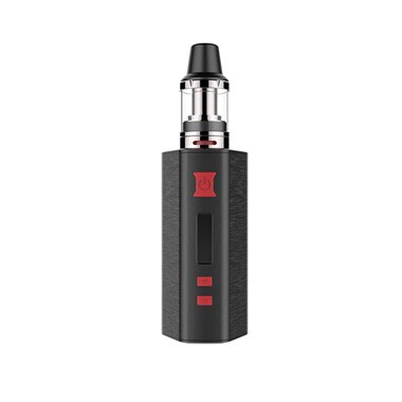
Why would hotel care if you vaping or smoking in room?
Leave a message
Hotels care about vaping and smoking in rooms for several critical reasons that directly impact their business, reputation, and legal obligations. While vaping is often perceived as "less harmful" than smoking, from a hotel's perspective, it creates many of the same core problems.
Here's a breakdown of why they enforce these rules so strictly.
1. Property Damage and Decreased Asset Value
A hotel room is a multi-million dollar collection of assets (furniture, linens, electronics, HVAC systems).
Residue: Even if you don't see it, vaping produces a sticky aerosol (propylene glycol and vegetable glycerin) that settles on every surface-walls, windows, ceilings, and electronics. Over time, this residue attracts dirt and turns into a brown, tar-like film that requires repainting and deep cleaning to remove.
HVAC Systems: The vapor is drawn into the room's HVAC unit. The residue coats the internal coils and fans, causing them to fail faster, grow mold, and spread the smell of the vape juice to other rooms.
Smoke: Cigarette smoke penetrates deep into mattresses, carpets, drapes, and woodwork. The only way to fully remove "third-hand smoke" is often to replace soft goods entirely-a cost of thousands of dollars per room.
2. The "Out of Order" Problem (Lost Revenue)
This is the biggest financial reason. When a guest smokes or vapes in a non-smoking room, that room cannot be sold again immediately.
For smoke: The room usually has to be taken "out of order" for 24–72 hours. It requires an ozone machine treatment, deep cleaning, and often a paint job.
For vape: While the smell fades faster than smoke, if the guest was using a high-wattage device or THC cartridges (which often have a skunk-like odor), the room can smell strongly for 12–24 hours.
The Cost: Every hour a room is out of order is lost revenue. For a hotel running at 90% occupancy, a smoking violation fee ($150–$500) doesn't just cover the cleaning; it compensates for the fact that they couldn't sell that room to another guest that night.
3. Fire Safety
Despite being electronic, vapes present a fire risk that hotels take very seriously.
Battery Fires: Lithium-ion batteries in vapes can malfunction, overheat, or explode while charging. If a guest leaves a vape charging on a bed or nightstand and it catches fire, the hotel is liable for the safety of hundreds of other guests.
False Alarms: While less common than cigarettes, dense vapor clouds can sometimes trigger optical smoke detectors, leading to a building-wide evacuation, emergency response fees, and massive disruption.
4. Guest Experience and Reputation
Hotels sell a product: a clean, neutral, and restful environment.
Allergies and Sensitivities: Many guests have allergies to nicotine, propylene glycol, or fragrances. If a guest checks into a room that smells of strawberry vape juice or stale smoke, they will demand a refund.
Online Reviews: In the age of TripAdvisor and Google Reviews, a single mention of "the room smelled like smoke/vape" can cost a hotel thousands in future bookings. Consistency is key in hospitality; deviations from the "100% non-smoking" promise damage the brand.
5. Legal and Franchise Compliance
Most hotels are either franchised or managed by large corporations (Marriott, Hilton, etc.).
Franchise Agreements: If a franchisee (the owner) gets too many smoking complaints or fails to enforce the non-smoking policy, the corporate brand (Marriott, etc.) can fine them or revoke their franchise license. Without the brand name, the hotel's value plummets.
State Laws: In many states (like California and New York), it is illegal to smoke indoors in a place of employment. Since hotel rooms are workplaces for housekeepers, allowing smoking is a violation of clean indoor air acts.
Is Vaping Treated Differently than Smoking?
Technically, yes. You are less likely to burn a hole in the carpet with a vape.
Pragmatically, no. Most hotels do not distinguish between the two in their policies. Their system doesn't detect "smoke" vs. "vapor"; it detects particulate matter.
Many hotels now use third-party sensors (like Domo or FreshAir) installed in rooms. These sensors don't just detect smoke; they detect the chemical signature of vape aerosols, THC, and cigarettes. If the sensor goes off, housekeeping is sent to inspect, and you are charged a cleaning fee regardless of whether it was a cigarette or a vape.
Summary
Hotels care because cost, safety, and sellability are the pillars of their business.
A single guest vaping in a room can cause:
$200–$500 in remediation costs (HVAC cleaning, repainting, deep cleaning).
24–72 hours of lost revenue while the room is off-market.
Safety risks from lithium battery fires.
Brand penalties from corporate franchisors.
To avoid a hefty fine ($250–$500 is standard), it is always best to step outside to the designated smoking area, or book a hotel that explicitly advertises "smoking-friendly" rooms (though these are becoming extremely rare in North America and Europe).