WHO report: Tobacco industry is targeting teenagers, recommends banning flavored e-cigarettes
Leave a message
WHO report: Tobacco industry is targeting teenagers, recommends banning flavored e-cigarettes
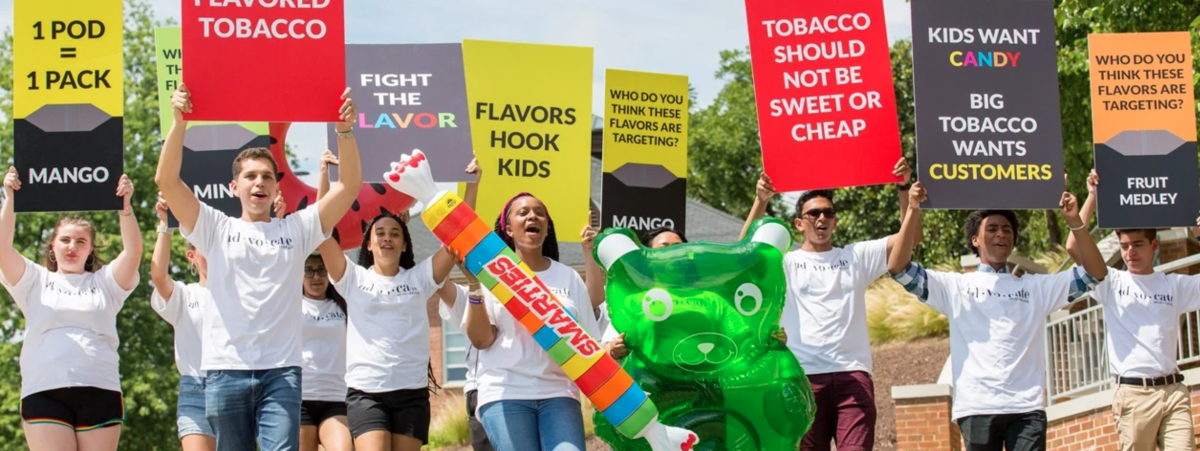
The World Health Organization (WHO) and the global tobacco industry watchdog organization "STOP" released a report called "Engaging the Next Generation" on May 23, revealing the impact of the tobacco industry on young people and calling on the government to protect young people from tobacco.
According to the official website of the World Health Organization (WHO) on May 23, WHO and the global tobacco industry watchdog organization "STOP" released a report titled "Attracting the Next Generation", revealing how the tobacco and nicotine industries design products and implement marketing activities. , and work to shape the policy environment to engage youth around the world.
The campaign launches on the occasion of World No Tobacco Day (31 May), with WHO taking the opportunity to call on governments to protect them from the tobacco and nicotine industries.
The report pointed out that approximately 37 million teenagers aged 13-15 years old smoke tobacco globally, and in many countries, the proportion of teenagers using e-cigarettes exceeds that of adults. In the European WHO region, 20% of 15-year-olds reported using e-cigarettes in the past 30 days. Despite significant progress in reducing tobacco use, the emergence of e-cigarettes and other new tobacco and nicotine products poses serious threats to youth and tobacco regulation. Research shows that e-cigarette use can lead to a three-fold increase in traditional cigarette use, especially among non-smoking teenagers.
WHO Director-General Tedros Adhanom Ghebreyesus said:
"History is repeating itself as the tobacco industry tries to sell the same nicotine in different packaging to our children. The industries are proactively targeting schools, children and teens with new products that are essentially a candy-flavored trap. When they are marketing to kids How can they talk about harm reduction when marketing these dangerous, highly addictive products?"
WHO emphasizes that these industries continue to use candies, fruits and other flavors that attract teenagers to promote their products. A study in the United States found that if e-cigarette products only had tobacco flavor, more than 70% of teenage e-cigarette users would choose to quit smoking.
WHO urges governments to ban or strictly regulate tobacco, e-cigarettes and other nicotine products to protect young people from their harm. WHO recommendations include establishing 100% smoke-free indoor public spaces, banning flavored e-cigarettes, banning marketing, advertising and promotion, raising taxes, raising public awareness of the tobacco industry's deceptive tactics, and supporting youth-led education and advocacy Activity.
Ruediger Krech, Director of the WHO Department of Health Promotion, said:
"These industries intentionally design products and use marketing strategies that directly appeal to children. They use children's favorite flavors such as cotton candy and bubble gum, combined with colorful designs that directly imitate toys, with the obvious intention of exposing young people to these harmful The product is addictive."
Jorge Alday, Director of STOP said:
"To the tobacco industry, addicted teens represent a lifetime of profits for the tobacco industry. That's why they lobby like crazy to create an environment where youth exposure to tobacco becomes cheap, attractive, and addictive. If policy is enacted "Without action, current and future generations may face a new wave of addiction to many tobacco and nicotine products, including cigarettes."
"Youth advocates around the world are resisting the damaging influence and manipulative marketing tactics of the tobacco and nicotine industry. They are shining a light on these frauds and speaking out for their own smoke-free future. Youth organizations around the world join the World Health Organization on Tobacco Control The latest meeting of the Framework Convention (COP10) sends a strong message to policymakers: 'Future generations will remember you, and you will either protect them or fail and leave them at risk.'
In addition, Tedros recognized the following youth organizations in the 2024 World No Tobacco Day Awards: Thailand Youth Institute, Tobacco Abstinence Club of Nigeria, Campaign for Tobacco-Free Kids in Argentina Tobacco-Free Kids).