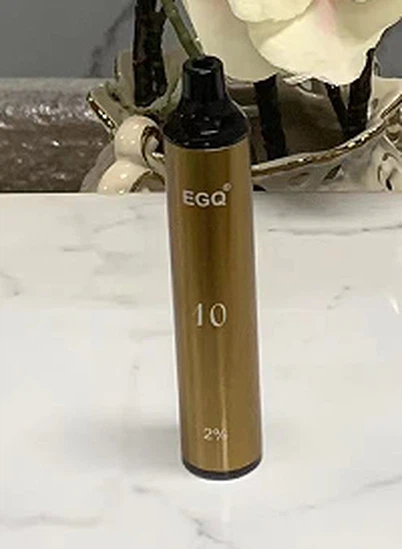
What temperature do electronic cigarettes vaporize at?
Leave a message
Based on multiple scientific studies, the vaporization temperatures of electronic cigarettes vary significantly. Typically, they range from 78°C to over 300°C, depending heavily on the device type, power, and e-liquid composition.
To help you quickly understand the different scenarios, here is a comparison of typical temperature ranges found in research:
| Device / Study Context | Typical Vaporization Temperature Range | Key Factors & Notes |
|---|---|---|
| Standard Rechargeable E-cigarettes | 78°C – 288°C | A study of 15 common devices found this wide range. |
| Controlled Lab Experiments | 180°C – 300°C | Studies often test within this range to observe chemical yield changes. |
| Modern Pod Systems (e.g., JUUL2) | ~247°C – 321°C | Higher-end devices with temperature control can operate in this range. |
| E-liquid Base Boiling Point | 188.6°C – 292°C | The theoretical boiling range for PG/VG mixtures at atmospheric pressure. |
🔬 Key Factors That Determine Temperature
Several factors cause this wide temperature variation:
Device Power and Design: Higher power and different coil materials (like nickel or titanium) can lead to higher operating temperatures.
E-liquid Composition: The ratio of Propylene Glycol (PG) to Vegetable Glycerin (VG) is crucial. PG boils at about 188°C, while VG boils at about 292°C. The vaporization temperature of a mixture falls between these points and is influenced by the exact ratio.
User Puffing Behavior: How long and how hard you draw affects how much the coil heats up and cools down during use.
🌡️ Why Temperature Matters
Temperature is not just a technical detail; it directly impacts your experience and safety:
Flavor and Vapor Production: Lower temperatures may preserve delicate flavors, while higher temperatures typically produce more vapor.
Nicotine Delivery: The release of nicotine increases with temperature, particularly between 220°C and 240°C.
Formation of Harmful Compounds: As temperatures rise, especially above 250°C-260°C, the thermal breakdown of PG and VG can increase, leading to higher levels of certain carbonyl compounds like formaldehyde and acetaldehyde. Many modern devices incorporate temperature control to minimize this risk.
💡 How to Find Your Device's Temperature
Check Manufacturer Specifications: If your device has adjustable temperature control (TC) mode, the manual will list its supported range.
Look for Wattage Correlation: Most common devices use variable wattage. Higher wattage generally equals higher temperature, but the exact conversion depends on your coil's resistance.
Note the E-liquid Ratio: High-VG liquids generally require more heat to vaporize effectively than high-PG liquids.
Important: These temperatures are measured at the heating coil. The aerosol you inhale is cooler due to mixing with air.
If you'd like a more specific estimate, knowing your device's wattage setting and the PG/VG ratio of your e-liquid would be helpful.