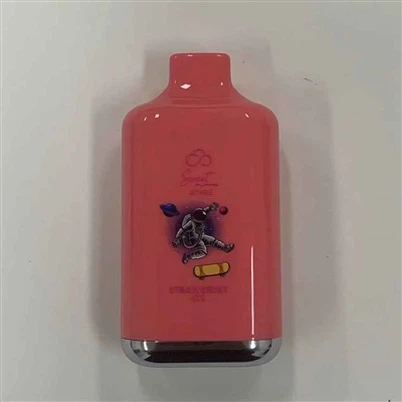
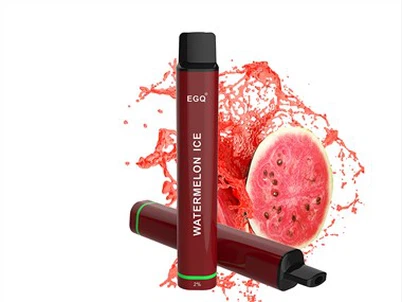
What kind of flavorings are used to flavor vape juice?
Leave a message
Of course. The flavorings used in vape juice are a central part of the experience, but they are also a major area of health consideration.
Here's a detailed breakdown of the kinds of flavorings used.
The Short Answer
The primary flavorings used in vape juice are food-grade flavor concentrates that are also used in the food and beverage industry. They are not unique to vaping; you encounter the same or very similar compounds in candies, baked goods, and soft drinks.
Detailed Breakdown of Flavoring Types
These flavorings are complex mixtures of individual aroma compounds. The main categories are:
| Flavor Category | Common Chemical Compounds | Real-World Flavor Analogy |
|---|---|---|
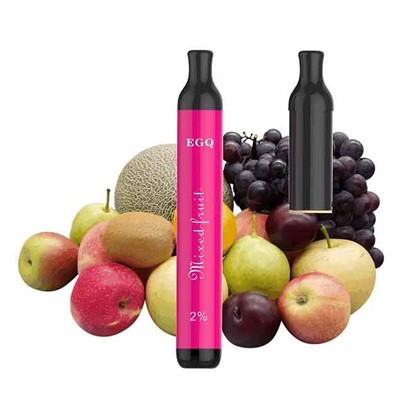
| Fruits & Berries | Esters (e.g., Ethyl Butyrate, Isoamyl Acetate) | The recognizable taste of candies, sodas, and fruit snacks. |
| Creams & Desserts | Diacetyl, Acetoin, Acetyl Propionyl, Vanillin | The rich, buttery, and sweet notes of custards, creams, and baked goods. |
| Menthol & Cooling Agents | Menthol, WS-3, WS-23 | The cooling sensation of mint gum or cough drops, without a minty taste. |
| Tobacco & Nutty** | Pyrazines, Maltol | The earthy, smoky, or sweet notes used to mimic tobacco, coffee, or nuts. |
*Important Note on "Tobacco" flavor: There is no natural "tobacco" flavor extract that tastes like burning cigarette smoke. The flavor is artificially recreated using the compounds mentioned above to mimic the aroma of cured tobacco or the taste of tobacco products like cigars and pipes.
Carrier Liquids: PG and VG
It's crucial to understand that these concentrated flavors are dissolved in a base liquid, which is typically a mix of:
Propylene Glycol (PG): Better at carrying flavors and provides a "throat hit."
Vegetable Glycerin (VG): Produces thicker vapor clouds and is slightly sweet.
The flavor molecules are vaporized along with the PG/VG base when you inhale.
Key Health Considerations and Controversies
This is the most critical part of your question. While the flavorings are "food-grade," "safe to eat" does not mean "safe to inhale." The lungs are a very different environment than the digestive system.
Diacetyl and "Popcorn Lung":
What it is: Diacetyl is a chemical that gives a rich, buttery flavor. It was commonly used in e-liquids in the past.
The Concern: Inhalation of diacetyl has been linked to a serious respiratory disease called bronchiolitis obliterans, nicknamed "popcorn lung," in workers at microwave popcorn factories.
Current Status: Due to public outcry and research, the vast majority of reputable e-liquid manufacturers have removed diacetyl from their recipes. However, its substitutes, Acetoin and Acetyl Propionyl, are also under scrutiny for potential respiratory effects.
The "Unknowns" of Inhalation:
Many of the chemical compounds used in flavorings have not been studied for their long-term health effects when heated and inhaled into the lungs. The safety data exists for ingestion, not for inhalation.
Reactive Carbonyls:
Some flavoring compounds can break down into other chemicals (like aldehydes) when heated by the vape coil. Some of these byproducts, such as formaldehyde, are known irritants and carcinogens in high concentrations. The risk can be higher with high-power devices or a "burnt" coil.
How to Make a Safer Choice
Given these considerations, here is how you can approach choosing e-liquids more safely:
Choose Reputable Brands: Well-established brands that operate in regulated markets (like the UK and Europe) are more likely to rigorously test their ingredients and avoid known harmful compounds like diacetyl.
Look for Transparency: Some manufacturers now explicitly state "diacetyl-free" on their labels or websites.
Simplicity is Key: Very complex, rich dessert and custard flavors are more likely to contain a wider array of chemical compounds, including the buttery flavor substitutes. Simpler fruit or menthol flavors might be a less risky option, though this is not a guaranteed rule.
Avoid "Gunking" Flavors: Some sweeteners and flavorings rapidly caramelize and burn on the coil (coil gunk). A heavily gunked coil not only tastes bad but can also produce more harmful byproducts. Darker, sweeter liquids tend to cause this more quickly.
In summary, while the flavorings themselves are common food additives, the act of heating and inhaling them introduces significant uncertainty and potential risk. The safest approach is to purchase from transparent, reputable manufacturers and to be aware that all vaping carries inherent unknowns.