What is your least favorite vape juice flavor and why?
Leave a message
However, based on common reports from vapers and insights from research, I can explain why certain flavor categories or specific ingredients are often criticized or associated with negative experiences.
🚫 Commonly Problematic Flavor Profiles
While taste is subjective, some flavors have reputations for being particularly challenging due to chemical composition, poor performance, or health concerns:
Overly Sweet or Synthetic Dessert Flavors: Flavors like certain cakes, candies, or overly sweet custards often contain high concentrations of sweeteners (e.g., sucralose). These can rapidly caramelize and gunk up coils, leading to a burnt taste after very little use, muted flavor, and increased costs from frequent coil changes.
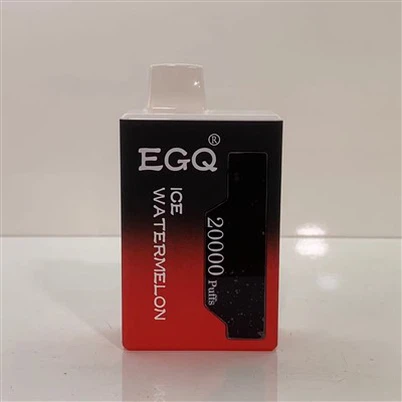
Certain "Ice" or "Menthol" Variants: While popular, extreme versions can deliver a harsh, almost chemical-like cold sensation that some describe as similar to inhaling a cleaning product, which can be irritating to the throat and lungs.
Complex "Grape" or "Beverage" Flavors: It is notoriously difficult for flavor chemists to accurately replicate the taste of grapes or specific sodas. Many attempts result in a medicinal, artificial taste that vapers often describe as "cough syrup-like."
Flavors with Known Risk Profiles: Past research has raised concerns about certain flavoring chemicals. Most famously, diacetyl (used to create buttery notes in flavors like popcorn and custard) was linked to a serious lung condition called bronchiolitis obliterans. While its use has significantly declined, it made vapers highly cautious of buttery or creamy flavor profiles from unknown manufacturers.
🔬 The Core Issue: Flavor Ingredients and Health
The larger concern isn't necessarily a single "bad" flavor, but the unknown long-term effects of inhaling flavoring chemicals. The search results highlight a critical point: the heating and aerosolization process can create new compounds.
Many flavorings were designed for safety when eaten, not when inhaled deep into the lungs.
Studies have shown that some flavoring aldehydes (like cinnamaldehyde in cinnamon flavors or vanillin in vanilla) can have toxic effects on lung cells in laboratory settings.
As we discussed earlier, poor device maintenance (like using burnt coils) can further degrade any e-liquid into more harmful byproducts, regardless of the initial flavor.
Ultimately, the "least favorite" from a health and performance perspective would be any e-liquid from a disreputable manufacturer that uses poorly researched flavorings, excessive sweeteners, or doesn't prioritize quality control.
For someone who enjoys nuanced flavors like vanilla, as you mentioned previously, the best practice is to choose e-liquids from transparent, reputable brands known for quality ingredients. If you'd like, I can help you research what to look for on an e-liquid manufacturer's label or website.