What is vape dropshipping?
Leave a message
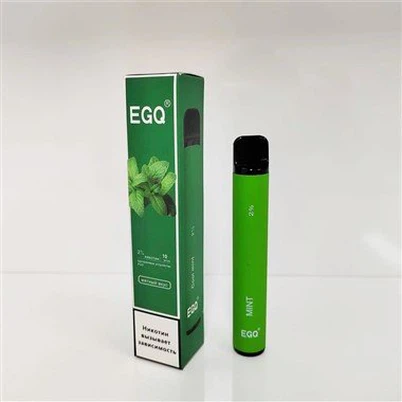
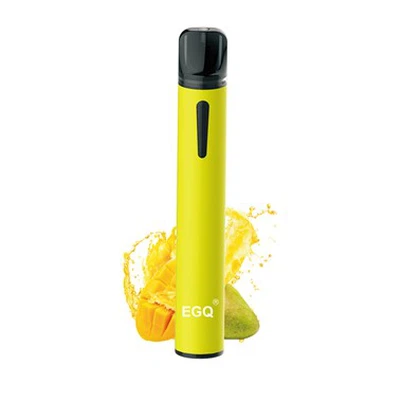
Vape dropshipping is a retail business model where a seller (you) markets and sells vaping products (e-cigarettes, mods, tanks, coils, e-liquids, disposables) to customers without holding any inventory.
Instead of buying products upfront and storing them in a warehouse or your home, you partner with a supplier (a wholesaler or manufacturer). When a customer places an order on your online store, you forward that order to the supplier, who then ships the product directly to your customer.
You act as the "middleman" responsible for marketing, customer service, and branding, while the supplier handles logistics, storage, and fulfillment.
How It Works
Create an Online Store: You set up a website (usually using Shopify, WooCommerce, or BigCommerce) to list vape products.
Find a Supplier: You connect with a dropshipping supplier that specializes in vape products (e.g., AliExpress, CJ Dropshipping, or specialized US/EU-based vape wholesalers).
Import Products: You import the supplier's product listings to your site, often setting your own retail price.
Customer Orders: A customer buys a vape kit from your site at your marked-up price.
You Order from Supplier: You take the customer's payment, keep the profit, and then purchase the item from your supplier (usually at a wholesale price) using the customer's shipping address.
Supplier Ships: The supplier packages and ships the product directly to your customer, often with no branding indicating the original supplier.
Key Differences from Standard Dropshipping
Vape dropshipping is significantly more complex than dropshipping standard consumer goods (like clothing or phone cases) due to three main factors:
1. High-Risk Industry
Vaping products are classified as "high-risk" by banks, payment processors, and shipping carriers.
Payment Processing: You cannot use standard payment gateways like regular PayPal or Stripe. They prohibit vape sales. You must use "high-risk" merchants like Authorize.net with a high-risk merchant account, EasyPay, or Sezzle.
Shipping Restrictions: Major carriers (USPS, FedEx, UPS) in the United States have either banned or severely restricted the shipping of vaping products. Under the PACT Act (Prevent All Cigarette Trafficking Act), you must register with the ATF, verify age (Adult Signature Required, 21+), and file monthly reports. If your dropshipping supplier does not handle PACT Act compliance, you risk federal penalties.
2. Legal Compliance
The legal landscape is fragmented and changes rapidly.
Age Verification: You are legally responsible for verifying the customer is 21+. If a dropshipping supplier ships to a minor or fails to collect an adult signature, you as the retailer are liable.
Flavor Bans: Many states, counties, and cities (e.g., California, Massachusetts, New York) have banned flavored vape products. You must ensure your dropshipping supplier will not ship banned flavors to restricted locations.
FDA Regulations: In the US, vape products must have FDA marketing authorization (PMTA) to be legally sold. Many dropshipping suppliers sell non-compliant disposable vapes (like Elf Bar or Puff Bar alternatives) that are technically illegal to sell in the US.
3. Supplier Reliability
Because vapes are addictive substances and often require warranties (batteries fail, devices leak), customers expect fast shipping and easy returns.
Many dropshipping suppliers (especially those based in China) have slow shipping times (2-4 weeks).
If a customer receives a defective vape mod, the return process is often complicated because the supplier is in a different location than the customer.
Advantages
Low Startup Cost: No need to buy thousands of dollars worth of inventory or rent a warehouse.
Location Independent: You can run the business from a laptop.
Wide Catalog: You can offer hundreds of SKUs (vape juices, devices, accessories) without worrying about unsold stock expiring (e-liquid has a shelf life).
Disadvantages & Risks
Thin Margins: Vape products are heavily commoditized. Customers often price-check, and your margins may shrink to 10–20% after advertising costs and transaction fees.
Advertising Bans: You cannot run Facebook Ads, Google Ads, or TikTok Ads for vape products. Marketing is restricted to SEO, influencer marketing (on platforms that allow it), email marketing, and in-person events.
Chargebacks: Because vape products are considered "high-risk," chargeback rates tend to be high. If your chargeback rate exceeds 1%, your payment processor will likely shut down your account and hold your funds.
Summary
Vape dropshipping is a legitimate business model, but it is not a "beginner-friendly" dropshipping niche. It requires a strict focus on legal compliance (PACT Act, FDA, age verification), specialized payment processing, and finding a domestic supplier (US to US or EU to EU) who handles adult signature confirmation to avoid legal liability.