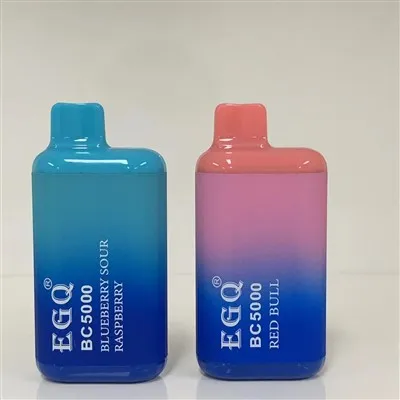
What is in vape juice?
Leave a message
The composition of e-cigarette oil (also known as liquid) is far more complex than "water vapor". It is mainly composed of several major types of basic chemical components, and when heated, it will produce more harmful substances.
Main basic components of e-cigarette oil
The basic formula of e-cigarette oil usually includes the following core substances:
Solvents/Carriers: This is the component with the highest proportion in e-cigarette oil, usually accounting for over 90%.
Propylene Glycol (PG): A colorless, slightly sweet liquid. Its main function is to serve as an excellent carrier for flavoring agents and provide a "throat hit" similar to smoking. In e-cigarette oil, the proportion of PG is usually 20-50%.
Vegetable Glycerin (VG): A viscous, colorless, and sweet liquid. Its main function is to produce a large amount of thick visible "vapor". In e-cigarette oil, the proportion of VG is usually 50-80%.
Nicotine : A highly addictive substance, which is the root cause of addiction in tobacco products. The content of nicotine in the product varies from 0 to high concentration. Common forms include free base nicotine and nicotine salts.
Flavorings : Used to simulate various flavors such as fruits, mint, candy, and tobacco. These flavorings are complex chemical mixtures and may contain various compounds such as benzaldehyde, vanillin, benzyl alcohol, cinnamaldehyde, etc.
?? Other common additives
In addition to the above four basic components, e-cigarette oil may also contain the following substances:
Organic acids: Used to produce "nicotine salts", making the inhalation feel smoother. Common ones include benzoic acid and lactic acid .
Sweeteners: Some e-cigarette oils will add artificial sweeteners (such as sucralose Sucralose) to enhance the sweetness.
Distilled water: Used to dilute overly concentrated e-cigarette oil to make it more fluid.
Colorants: Used to add color to e-cigarette oil.
⚠️ Harmful and potentially harmful substances produced after heating
The components in e-cigarette oil will undergo chemical reactions when heated and vaporized, generating new harmful substances. These substances will be inhaled into the lungs along with the aerosol.
Carbonyls: Mainly produced by the decomposition of propylene glycol (PG) and glycerol (VG) at high temperatures.
Formaldehyde: Listed as a Class 1 carcinogen by the International Agency for Research on Cancer (IARC).
Acetaldehyde : Listed as a Class 2B carcinogen by IARC.
Acrolein : A highly irritating respiratory irritant, also found in herbicides.
Tobacco-specific nitrosamines (TSNAs): Strong carcinogens detected in e-cigarette smoke. Including NNN and NNK, both classified as Class 1 carcinogens by IARC.
Heavy metals : Derived from the heating coil of the e-cigarette. Detected include lead, nickel, tin, cadmium, chromium, etc.
Volatile organic compounds (VOCs): Including harmful substances such as benzene .
Other dangerous substances:
Diacetyl : Associated with a serious lung disease called "popcorn lung".
Vitamin E Acetate : Considered one of the main culprits causing EVALI (e-cigarette-related lung injury) by the US CDC.
?? Summary
In summary, e-liquid is composed of basic ingredients such as propylene glycol, vegetable glycerin, nicotine, and flavoring agents. However, when heated, these ingredients can produce known or potentially harmful substances such as formaldehyde, acetaldehyde, acrolein, nitrosamines, and heavy metals, which are carcinogens.