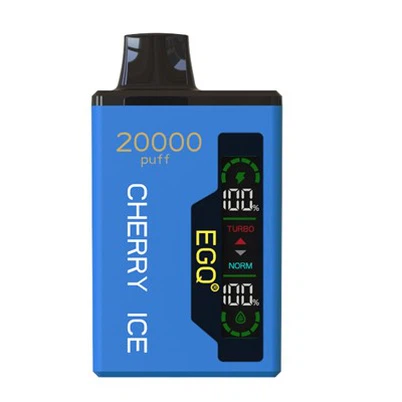
What is e-liquid,and how does it work in a vape?
Leave a message
E-liquid (also known as Vape juice) is the core consumable item of an electronic cigarette. It is heated and vaporized within the device to produce inhalable aerosol. The table below clearly summarizes its main components and basic working principle.
?? The main components of e-liquid
The e-liquid is mainly composed of the following basic components:
Component Chinese Name Primary Function Characteristics
Propylene Glycol (PG) Propylene Glycol Carries fragrance, provides "throat hit" Has good fluidity, has a mild taste, but some people may be allergic.
Vegetable Glycerin (VG) Vegetable Glycerin Produces thick smoke, provides sweetness Has a thick texture, produces a large amount of smoke, and has a sweet taste.
Flavorings Flavoring Agents Provide various flavors (such as fruits, desserts, etc.) Designed for inhalation, but the long-term inhalation safety is still under scrutiny.
Nicotine Nicotine Provides addictive substance and stimulation Optionally added, the concentration can vary (from 0 to very high), it is the main addictive source.
⚙️ How does e-liquid work in electronic cigarettes?
The working principle of e-liquid can be summarized as "electric energy → heat energy → vaporization":
Storage: The e-liquid is stored in the oil reservoir (or disposable cartridge) of the electronic cigarette.
Transportation: Through oil-conducting materials such as cotton cores, the e-liquid is transported to the atomization core (which usually contains a metal heating coil).
Heated atomization: When the user presses the button or inhales, the battery supplies power to the heating coil, causing the coil to heat up rapidly (typically reaching 200-300°C). The e-liquid in contact with the coil is instantly heated, not burned, but transformed into fine aerosols (commonly known as "steam").
Inhalation: Users inhale these aerosols that carry scents and nicotine (if present) through the mouthpiece.
⚠️ Important Safety and Health Notice
Not harmless steam: The generated aerosol contains nicotine, ultrafine particles, volatile organic compounds, and trace amounts of heavy metals, etc., and is not harmless.
Addiction: The nicotine-containing e-liquid has a high degree of addictiveness, especially posing a great threat to the brain development of teenagers.
Regulatory differences: Global regulations are strict and vary. For instance, in China, the sale of flavored e-cigarettes other than tobacco flavors is prohibited; many countries in Europe and America have strict restrictions on nicotine content, bottle capacity, and flavors.
Illegal risks: One should avoid purchasing illegal products with unknown sources and unclear ingredient labels, as they may pose risks such as excessive harmful substances.
In simple terms, e-liquid is a chemical mixture that is heated and vaporized by an electronic device rather than burned. It reduces some harmful substances produced by the burning of traditional cigarettes, but it still poses health risks and is addictive.
If you are interested in specific components (such as different nicotine types), how to choose the VG/PG ratio, or the specific regulations in different countries, I can provide more detailed information.