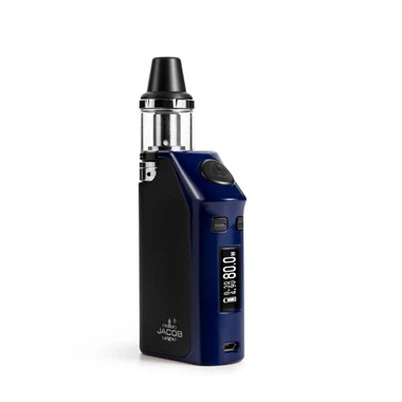
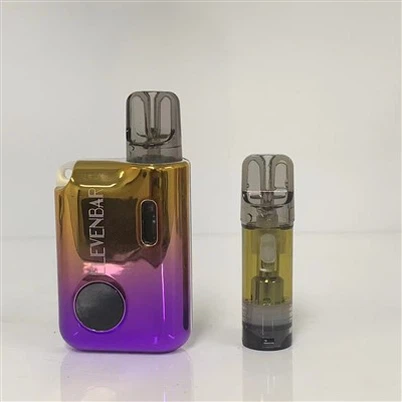
What happens if you blow vape smoke onto food?
Leave a message
Of course. This is an interesting question that touches on food safety, chemistry, and etiquette.
Here's a detailed breakdown of what happens if you blow vape smoke onto food, covering the different aspects:
1. The Immediate Physical and Chemical Effect
When you blow vape "smoke" (which is technically an aerosol, not smoke) onto food, several things occur:
Surface Moisture: The aerosol, which is composed of ultra-fine particles, will temporarily cling to the surface of the food, especially if it's moist or oily. On a dry food like a cracker, it will have less effect.
Flavor Transfer: The flavorings from the vape juice (e-liquids) can be deposited onto the food. This might add a faint hint of the vape's flavor (e.g., strawberry, mint, vanilla) to the surface of the food.
Rapid Dissipation: Unlike smoke from burning wood or tobacco, the vape aerosol is not very persistent. It's mostly propylene glycol (PG) and vegetable glycerin (VG), which are hygroscopic (they attract water) and will quickly dissipate into the air. It will not "infuse" the food like traditional smoking or curing.
In short, the primary immediate effect is a potential, but very mild, surface-level flavor change.
2. The Health and Safety Concerns
This is the most critical part. While taking a small, accidental whiff of secondhand vape aerosol is generally considered low risk, intentionally directing it onto food you plan to eat is a different matter.
Unknown Chemical Reactions: The primary concern is that the heat from the vapor and its chemical components (PG, VG, flavorings, and potentially nicotine) can interact with the food in ways that are not well-studied.
Nicotine: If the vape contains nicotine, it can be deposited directly onto the food. Ingesting nicotine (especially for children, pets, or people with certain health conditions) can be harmful and is much more potent when ingested than when inhaled.
Flavoring Compounds: The chemicals used for flavorings are approved for inhalation (a topic of debate itself) but are not necessarily tested for safety when heated and then ingested with food. New compounds could form upon contact with the food.
Food Contamination: Blowing anything from your mouth onto someone else's food is a breach of basic hygiene. It transfers saliva droplets and oral bacteria onto the food, which is unappetizing and a potential health risk.
Quality and Integrity: You are intentionally contaminating food with a substance not meant for consumption in that manner. For these reasons, a restaurant or food establishment could be shut down for such a practice.

3. Vape "Smoke" vs. Real Wood Smoke
It's important to understand why this is different from traditional food smoking:
Wood Smoke: Used for centuries to preserve and flavor food. The compounds in wood smoke (like phenols and acids) have antimicrobial properties and can penetrate the food, creating a deep, preserved flavor.
Vape Aerosol: Made from a handful of synthetic chemicals. It has no preservative qualities. It's designed to be inhaled into the lungs, not to interact with and flavor solid food. The flavoring is superficial and fleeting.
Conclusion: What Happens?
If you blow vape smoke onto food:
The food might taste faintly of the vape flavor for a moment.
You are contaminating the food with an aerosol of chemicals not designed for ingestion.
You are creating a potential, though likely small, health risk due to unknown chemical interactions and the possible ingestion of nicotine.
You are breaching basic hygiene standards, making the food unappetizing and potentially unsafe for others to eat.
Verdict: It is not a safe or recommended way to flavor food. It's a novelty act at best, and a potentially harmful and unhygienic practice at worst. If you want to add smoky flavors to food, use established culinary methods like liquid smoke, smoked spices, or actual wood chips in a smoker or grill.