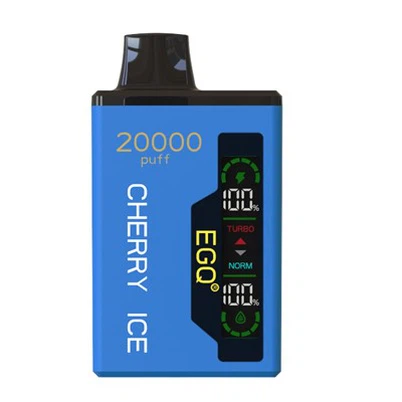
What can vaping cause?
Leave a message
This is a very fundamental and crucial issue. Based on the current scientific consensus reached by the global medical community (including the World Health Organization, the US CDC, and the National Health Commission of China), I can clearly tell you: E-cigarettes are by no means harmless; they cause health damage to multiple systems and aspects.
To make it easier for you to understand, I have classified the risks into three levels: "short-term and daily discomfort", "long-term organic disorders", and "acute fatal risks". And I have specifically broken down the additional fatal risks brought about by "marijuana/candy bombs" that you previously asked about:
1. Respiratory system (the most direct "targeted attack")
This is the area that has suffered the most severe damage and has the most conclusive evidence:
EVALI (Electronic Vape-Related Lung Injury): This is the most dangerous acute disease. Its symptoms include severe coughing, shortness of breath, chest pain, and in severe cases, respiratory failure can occur within a few days. The US CDC has confirmed that vitamin E acetate (often used as a diluent for illegal THC wax cartridges) is the main culprit behind EVALI.
"Popcorn lung" (obstructive bronchiolitis): Some flavoring agents (particularly diacetyl) can damage the smallest airways in the lungs, resulting in a permanent decline in lung function that is irreversible.
Chronic inflammation and weakened immunity: E-cigarette aerosol irritates the airway mucosa, leading to chronic bronchitis, an increase in the frequency of asthma attacks, and a weakening of the bactericidal ability of alveolar macrophages (meaning you are more prone to getting pneumonia).
2. Cardiovascular System (The Invisible "Accelerated Aging")
Nicotine is a potent vasoconstrictor and stimulant:
Blood pressure and heart rate: Within a few minutes after consumption, the heart rate increases and blood pressure rises. If this continues over a long period, it will significantly increase the risk of arteriosclerosis and thrombosis.
Major cardiovascular and cerebrovascular events: Multiple long-term tracking studies have shown that the risk of myocardial infarction (heart attack) and stroke among e-cigarette users is significantly higher than that of non-smokers (although slightly lower than that of traditional cigarettes, the gap is far less than what the public imagines).
3. The Nervous System and the Teenage Brain (Irreversible Damage)
High addiction potential: The efficient delivery of nicotine salts leads to rapid addiction. This is not just a "habit", but the brain receptors are hijacked.
Brain development in teenagers: If nicotine is used before the age of 25, it will permanently damage the prefrontal cortex of the brain (responsible for decision-making, impulse control and attention), leading to a significant increase in the risk of attention deficit and emotional disorders (anxiety/depression).
4. Direct cytotoxicity of chemical components (not just nicotine)
Many people think "only nicotine is harmful", but in fact, the aerosol produced by the heating of e-liquid in electronic cigarettes contains a large amount of newly generated toxic substances:
Carbonyl compounds (formaldehyde, acetaldehyde): Released during high-power operation or dry burning, they are a clearly defined category of carcinogens.
Heavy metals (nickel, lead, chromium): Metal migration from inferior atomizer cores can accumulate in the body, causing damage to the liver, kidneys and nervous system.
Ultrafine particulate matter (PM2.5): It penetrates into the alveoli and enters the bloodstream. Its physical properties alone can trigger systemic oxidative stress responses.
?? Special warning regarding the "Wax / Weed Cartridge" you inquired about earlier
If the "wax cartridge" you just asked about contains cannabis extract, in addition to all the nicotine risks mentioned above, there is an additional factor:
Acute mental symptoms: High concentrations of THC may trigger panic attacks, delusions, and even brief symptoms resembling schizophrenia (especially in individuals with a family history).
Solvent residues: Dibutane or propane that remain from the illegal refining process. When inhaled, they directly possess neurotoxicity and hepatorenal toxicity.
Pollutants: Synthetic cannabinoids (which are several times more potent than natural THC) and bacterial/fungal toxins have been detected in the black market products.