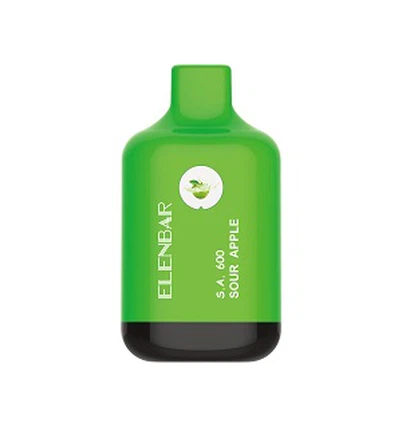
What can I USE A SUBSTITUTE FOR VAPE JUICE?
Leave a message
You have several options for substituting vape juice, but safety must be your top priority. The most important rule is: never vape anything not explicitly intended for inhalation. Inhaling common household oils, extracts, or unknown substances can cause serious lung injury.
Here is a comparison of the main substitute options and their key considerations:
| Option / Approach | Description | Key Considerations & Safety Notes |
|---|---|---|
| Zero-Nicotine E-Liquid | Standard vape juice with 0mg nicotine. It contains the standard base (PG/VG) and food-grade flavorings. | Safest & easiest option. Commercially made products are formulated for inhalation. Available in countless flavors. |
| DIY E-Liquid (Standard) | Mixing your own liquid using propylene glycol (PG), vegetable glycerin (VG), and concentrated flavorings made for vaping. | Can be safe if you use correct ingredients and follow established recipes. Allows full control over flavor and nicotine level. Requires careful research. |
| Nicotine-Free with Essential Oils | A PG/VG base liquid blended with specific essential oils (like peppermint, lavender). | A studied alternative. One 2024 study found such blends were safer than nicotine liquids and may help reduce anxiety. Use only recipes/formulas proven safe for vaping. |
| CBD E-Liquid | E-liquid containing cannabidiol (CBD) instead of nicotine. | Used for potential therapeutic effects. Must be sourced from reputable vendors to ensure purity and lack of harmful additives. Legality varies. |
⚠️ Critical Safety Warnings
NEVER Vape Food Oils or Extracts: Do not use olive oil, vegetable oil, coconut oil, butter flavoring, or vanilla extract. These are lipids (fats) and can cause lipoid pneumonia, a serious and potentially fatal lung condition.
Avoid Dangerous DIY Methods: Do not attempt to make homemade vaping devices or use non-vaping ingredients like those suggested in some unreliable sources. These pose risks of chemical exposure, toxic fumes, and device failure (e.g., battery explosions).
Handle Nicotine with Extreme Care: If you choose to add nicotine in DIY, know that concentrated nicotine is a toxic poison. It can be fatal if ingested and can cause nicotine poisoning through skin contact. Always use proper protective gear and precise measurements.
🛡️ How to Approach DIY Safely
If you decide to make your own e-liquid, follow these essential steps:
Use the Right Ingredients: Only purchase USP-grade PG and VG, nicotine concentrate from reputable suppliers, and flavor concentrates specifically designed for vaping.
Follow Trusted Recipes: Start with simple, well-reviewed recipes from established DIY vaping communities. Never improvise with unknown substances.
Steep Your Liquid: Most DIY liquids need to "steep" (sit for days or weeks) for flavors to blend properly.
In summary, your best choice is to purchase ready-made zero-nicotine e-liquid. If you want a custom blend, DIY with proper ingredients is possible but requires diligence. A promising alternative is nicotine-free liquids with specific essential oils, which have some research backing their safety profile. Above all, avoid vaping anything not meant for your lungs.
If you are considering this as a step to quit nicotine, I can also provide information on medically approved cessation methods.