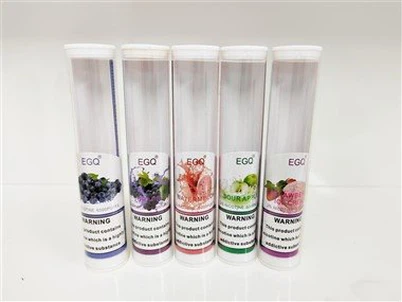
Weed cartridges
Leave a message
"Weed cartridges" (marijuana cartridges) are containers pre-filled with high-concentration extracts of marijuana (oil or concentrate), usually used in conjunction with e-cigarette batteries. This type of product has gained popularity due to its claimed "convenience" and "secrecy", but in many countries, including China, its possession, sale, and consumption are all considered serious illegal acts.
Here are the key facts about marijuana cartridges:
?? What is a marijuana cartridge?
Basic structure: Marijuana cartridges are usually made of glass or plastic and contain marijuana oil or concentrate inside. The top part is the mouthpiece, and the bottom part has a threaded interface that can be connected to a battery.
Core component: The internal liquid is a mixture of cannabinoids (such as THC) and terpenes extracted from the cannabis plant. The concentration of THC (tetrahydrocannabinol, the main psychoactive component in cannabis) is extremely high. A study on seized cartridges showed that the average concentration was as high as 85%, much higher than that of traditional cannabis plants.
Common type: The most common standard on the market is the 510 threaded interface, which is compatible with most common electronic cigarette batteries.
⚠️ Main health risks
Smoking cannabis cartridges is not a "harmless form of entertainment". The health risks are clear and severe:
Acute risks associated with high concentrations of THC: High concentrations of THC can cause significant cardiac toxicity risks. Studies have shown that inhaling 20 puffs of a THC-containing e-cigarette with an 85% concentration daily, with the exposure dose far exceeding the safety threshold, results in a risk coefficient (HQ) of 13.5.
Severe lung injury:
Acute lipid pneumonia: Studies have shown that healthy young people who used marijuana cartridges purchased from the street only after 2 weeks developed acute lipid pneumonia, which led to respiratory failure.
EVALI (Electronic Vaping-Related Lung Injury): During the EVALI outbreak that occurred in the United States from 2019 to 2020, many cases were linked to the use of cannabis e-liquid containing vitamin E acetate as a thickening agent. Inhaling this substance may result in the production of highly toxic ethyl ketone gas.
Heavy metal exposure: Research has found that during the heating process, heavy metals such as chromium, copper, nickel, and lead in the e-cigarette cartridges will migrate into the e-liquid and vapor, potentially causing users to inhale amounts exceeding regulatory standards.
Other hazards: High concentrations of THC are also associated with neurotoxicity, cognitive impairment, and an increased risk of developing mental disorders among teenagers.
⚖️ Legal Status: In China, it is a clear case of drug-related crime
In China, any form of marijuana cartridges is classified as a drug. All related manufacturing, trafficking, transportation, possession and consumption activities will be subject to severe legal penalties.
Criminal Offense: According to Article 347 of the Criminal Law of the People's Republic of China, anyone who smuggles, traffics in, transports or manufactures drugs, regardless of the quantity, shall be held criminally responsible and receive criminal punishment.
Judicial Practice:
Drug smuggling crime: There are cases where someone purchased tobacco oil containing cannabis components from abroad and mailed it into the country. As a result, they were sentenced to prison terms by the court for drug smuggling.
Severe punishment: Gangs involved in the production and sale of electronic cigarettes containing prohibited ingredients (such as veterinary anesthetics) have had some members sentenced to eight and a half years in prison and fined. Even selling a small amount of cartridges containing prohibited ingredients may result in criminal penalties.
?? Summary
Essence: Marijuana cartridges are carriers of high-concentration THC and are not traditional electronic cigarettes.
Risk: Using it involves multiple health risks such as acute poisoning, severe lung damage, exposure to heavy metals, and mental health issues.