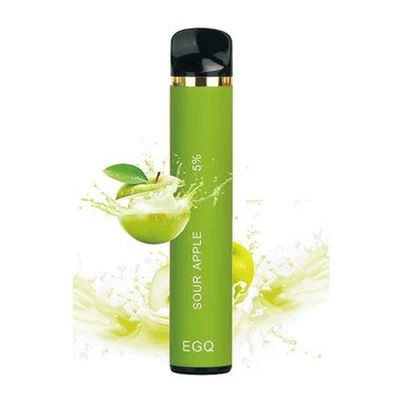
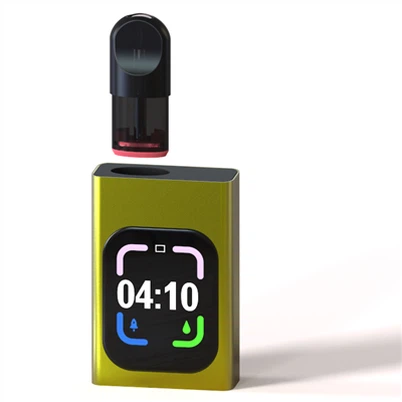
Vitamin vapes
Leave a message
The so-called "vitamin e-cigarettes" are not healthy. They lack scientific evidence to prove their effectiveness and come with clear health risks. Major global public health agencies, such as the US Food and Drug Administration (FDA) and the World Health Organization (WHO), have issued warnings about these products.
Marketing hype vs. harsh facts
These products on the market are often marketed as "healthy" alternatives, claiming to supplement vitamins, boost energy, etc. However, this is far from the scientific truth.
The lungs were not designed to absorb nutrients: the human digestive system is the main pathway for absorbing vitamins. Directly inhaling vitamins bypasses the normal digestion and metabolism processes, and their effectiveness and safety have not been proven.
Inhalation does not equal absorption: even if vitamins are atomized and inhaled, it does not mean they can be effectively absorbed by the body. For example, fat-soluble vitamins (such as A, D, E, and K) need to combine with fat in the intestines to be absorbed, and this cannot be achieved through inhalation of the lungs.
Cases with clear hazards:
Vitamin E acetate (VEA): This is the most well-known dangerous case. In the "e-cigarette-related lung injury" (EVALI) epidemic that broke out in the United States in 2019, VEA was confirmed to be one of the main causative factors. This substance is often used as a thickener in illegal e-cigarette oils.
Serious consequences: As of February 2020, this epidemic in the United States has resulted in 2,807 hospitalizations, with 68 deaths. Studies have confirmed that inhaling VEA can cause acute lung injury, oxidative stress, and inflammation. The FDA has explicitly warned that VEA should not be added to any e-cigarette products.
Risks of other vitamins: A study even found that among the various e-cigarettes tested, vitamin B12 e-cigarettes produced the highest level of reactive oxygen species. Additionally, the long-term inhalation risks of chemical carriers such as propylene glycol and glycerin required for atomization in these products are also unclear.
Regulation and legal status
Given its potential risks, regulatory agencies in various countries have taken action:
US FDA: It has sent warning letters to several companies selling "healthy" e-cigarettes (containing vitamins or essential oils) stating that their health claims are unproven and illegal. Currently, no e-cigarette product has been approved by the FDA for the prevention or treatment of any disease.
World Health Organization (WHO): Relevant regulations clearly prohibit adding vitamins or other additives that can create the impression of being "beneficial to health" or "lower risk" in vaping products.
China: According to the "Electronic Cigarette Management Measures", e-cigarette products without nicotine have also been included in the regulatory scope. This means that even vitamin e-cigarettes claiming to be "0 nicotine" or "healthy and harmless" are subject to relevant laws and regulations.