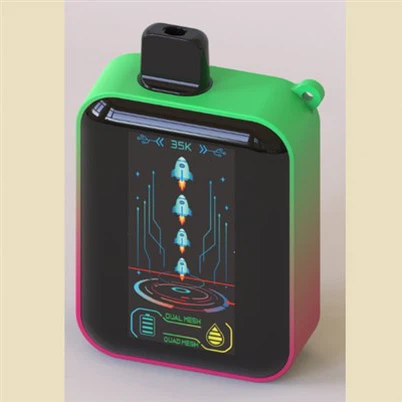
Vapes:what are you actually inhaling?
Leave a message
Of course. This is a crucial question, as the term "vapor" can be misleading. You are not inhaling water vapor. You are inhaling an aerosol of ultrafine particles.
The contents of this aerosol depend heavily on whether you are using a nicotine vape, a THC/cannabis vape, or an unregulated product. However, the basic components break down into a few categories.
The Core Components of Most Vape Aerosol
1. The Base Liquids (The "Carrier")
Propylene Glycol (PG): A synthetic compound that is used as a carrier for the flavor and nicotine. It's also used in food products, fog machines, and pharmaceuticals. It's generally recognized as safe for ingestion by the FDA, but its long-term effects when inhaled are not fully known. It creates the "throat hit" similar to tobacco.
Vegetable Glycerin (VG): A plant-based liquid that is thicker and sweeter than PG. It's responsible for producing the large clouds of vapor. Like PG, it is considered safe to eat, but its safety for long-term inhalation is not established.
2. The Active Ingredients
Nicotine: In nicotine vapes, this is the primary addictive substance. The concentration can vary widely. Nicotine is harmful to developing adolescent brains and is highly addictive.
THC (Tetrahydrocannabinol): In cannabis vapes, this is the primary psychoactive compound that produces the "high." These are often in the form of concentrates or oils.

3. Flavorings
This is one of the biggest areas of concern. The chemicals used for flavors (e.g., diacetyl, acetyl propionyl, various fruit and candy compounds) are approved for food safety (ingestion) but not for inhalation.
When heated and inhaled, these flavor compounds can cause severe lung damage. A well-known example is "Popcorn Lung" (Bronchiolitis Obliterans), linked to the flavoring chemical diacetyl.
There are thousands of different flavoring chemicals, and their individual and combined effects on lung tissue are largely unknown.
4. Byproducts of Heating (The Hidden Dangers)
This is where significant risks lie. The heating process can create new, toxic chemicals that are not present in the original liquid.
Carbonyls: When the e-liquid is overheated (a "dry puff") or the device operates at high power, it can thermally degrade PG and VG into harmful carbonyl compounds, including:
Formaldehyde: A known human carcinogen.
Acetaldehyde: A probable human carcinogen.
Acrolein: A herbicide that can cause severe lung injury.
Metals: The metal coil and other components of the vaping device can shed microscopic particles into the aerosol. Studies have found detectable levels of:
Lead
Chromium
Nickel
Manganese
These metals are toxic to the lungs and other organs when inhaled.
5. Contaminants (Especially in Illicit Markets)
This is the most acute danger, particularly with THC vapes or counterfeit products.
Vitamin E Acetate: This thickening agent was strongly linked to the 2019-2020 outbreak of EVALI (E-cigarette or Vaping use-Associated Lung Injury). It is safe for topical use on skin but extremely dangerous when inhaled, causing severe lipoid pneumonia.
Other Cutting Agents: As discussed in your previous question, illicit vapes can be cut with other oils or substances that are not meant for the lungs.
Fentanyl and Other Drugs: While rare, there have been documented cases of vapes being laced with dangerous drugs like fentanyl, often without the user's knowledge. This is a critical risk with illegal or unregulated products.
Summary: What Are You Actually Inhaling?
| Component | Purpose | Key Risks |
|---|---|---|
| Propylene Glycol (PG) | Carrier liquid, throat hit | Unknown long-term lung effects. |
| Vegetable Glycerin (VG) | Carrier liquid, creates clouds | Unknown long-term lung effects. |
| Nicotine | Addictive stimulant | Harms adolescent brain development, highly addictive. |
| THC | Psychoactive compound (in cannabis vapes) | Can impair memory and coordination. |
| Flavor Chemicals | Creates taste (e.g., fruit, mint) | Can cause severe lung disease (e.g., "Popcorn Lung"). |
| Heating Byproducts (Formaldehyde, etc.) | Created when liquid is heated | Known carcinogens and lung irritants. |
| Metal Particles (Lead, etc.) | Leached from the device hardware | Neurotoxicity and organ damage. |
| Contaminants (Vitamin E Acetate) | Found in illicit market products | Can cause sudden, severe lung failure (EVALI). |
The Bottom Line:
You are inhaling an engineered aerosol containing a base of PG/VG, an addictive drug (nicotine or THC), and chemical flavorings. Crucially, the heating process and unregulated market can introduce known carcinogens, toxic metals, and dangerous contaminants that pose significant risks to your respiratory and overall health. While it is generally considered less harmful than inhaling the thousands of chemicals in cigarette smoke, vaping is not safe, and its long-term health consequences are still largely unknown.