Vapes and E-cigarettes
Leave a message
Vapes and e-cigarettes are electronic devices that use a battery to heat a liquid into an aerosol, which is then inhaled.
🔋 Device Types and Components
Main Types of Devices:
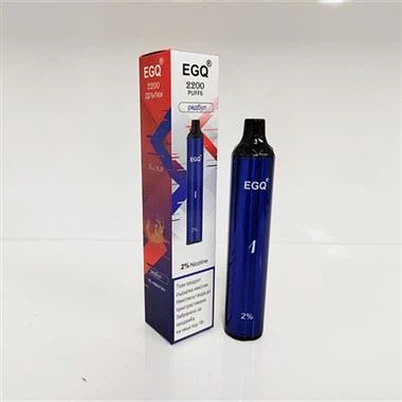
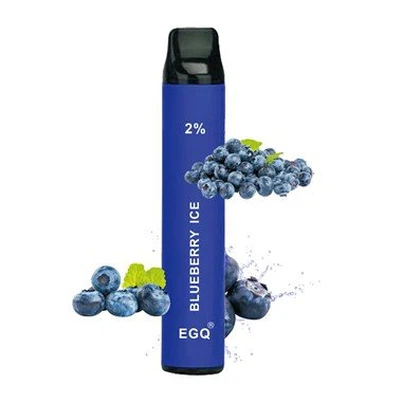
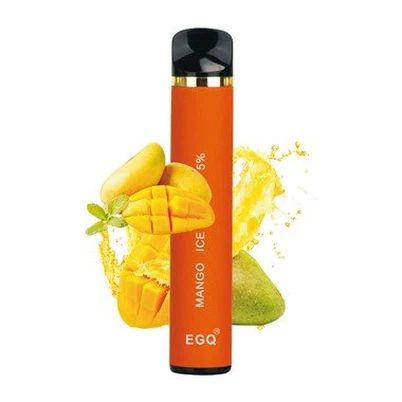
Disposable E-cigarettes: Pre-filled, single-use devices not designed to be refilled or recharged. They are popular but raise significant environmental concerns due to waste.
Pod-based/Pre-filled Cartridge Systems: Rechargeable devices that use replaceable cartridges or pods (e.g., JUUL, Vuse).
Refillable Tank Systems (Mods): Larger, rechargeable devices with a refillable tank. These can often be customized, making them popular with experienced users.
Key Components:
All e-cigarettes share basic parts, though designs vary widely:
Battery: Powers the device.
Heating Element (Atomizer/Coil): Heats the e-liquid to create vapor.
Mouthpiece: For inhalation.
Cartridge/Tank/Pod: Holds the e-liquid (e-juice).
🧪 What's Inside E-cigarettes?
The inhaled aerosol is not harmless water vapor. It's a mixture of chemicals from the e-liquid and those created by heating.
Nicotine: Most e-cigarettes contain highly addictive nicotine, which harms adolescent brain development.
Flavorings: Hundreds of chemical flavorings are used to make products appealing, especially to youth. Some (like diacetyl) are linked to serious lung disease when inhaled.
Solvents: Propylene glycol and vegetable glycerin carry the flavor and create the vapor.
Toxicants: Heating can produce harmful substances like formaldehyde (a carcinogen), acrolein (found in weed killer), and heavy metals (e.g., nickel, tin, lead).
⚠️ Key Health and Safety Considerations
Using e-cigarettes involves several important considerations:
Not Risk-Free: No tobacco product, including e-cigarettes, is safe. They can cause lung irritation, coughing, nausea, and nicotine addiction.
Impact on Youth: Nicotine is highly addictive and can harm the developing brain, which continues to mature until about age 25. Using e-cigarettes can also be a gateway to starting smoking.
Use in Quitting Smoking: E-cigarettes are not the first-choice method to quit smoking. While some adults use them as a substitute for cigarettes, they are not an FDA-approved cessation aid. Proven methods like nicotine replacement therapy (patches, gum) are recommended.
Regulatory Status: Laws vary significantly. For example, in Australia, vapes are only available from pharmacies for smoking cessation. In the U.S., they are widely available but subject to age restrictions and FDA regulation. Always check your local laws.
💡 How to Get Help
If you or someone you know wants to quit vaping or smoking, it's best to seek professional support:
Talk to your doctor or pharmacist for personalized advice.
Contact national or local quitlines (like Quitline at 13 78 48 in Australia).
To help you explore further, would you be more interested in learning about:
The specific health effects of vaping in more detail?
How regulations differ from country to country?
The environmental impact of disposable vapes?