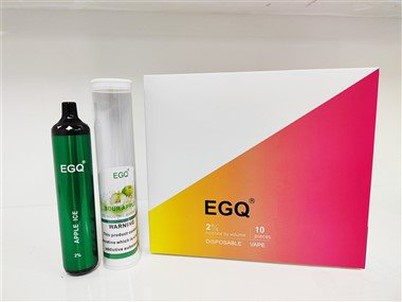
Vapes and E-cigarettes
Leave a message
🔋 What Are E-Cigarettes?
E-cigarettes (also known as vapes, e-cigs, or ENDS) are battery-operated devices that heat a liquid (e-liquid) to produce an aerosol, which users inhale. This liquid typically contains nicotine, flavorings, and other chemicals. Contrary to common belief, the aerosol produced is not harmless water vapor.
Here's a breakdown of common types:
| Device Type | Key Characteristics | Common Examples & Notes |
|---|---|---|
| Disposable E-Cigarettes | Pre-filled, not designed for refilling. May be rechargeable. | Brands like "Cuvies" or "Stigs"; the most commonly sold type in the US as of 2023. |
| Pod-Based / Pre-filled Cartridge Systems | Rechargeable with replaceable, pre-filled cartridges or pods. | JUUL is a well-known example. |
| Refillable Tank Systems ("Mods") | Rechargeable with a tank that users fill with e-liquid. Can be modified. | Often called "vape mods" or "personal vaporizers"; larger devices. |
⚠️ Health Risks and Safety Concerns
Major health authorities agree that e-cigarettes are not safe.
Nicotine Addiction: Most e-cigarettes contain nicotine, which is highly addictive and can harm adolescent brain development. Products are often mislabelled, and those marked "nicotine-free" have been found to contain nicotine.
Harmful Substances: The aerosol can contain cancer-causing chemicals, heavy metals (like nickel, tin, lead), ultrafine particles, and flavorings like diacetyl linked to serious lung disease.
Short & Long-Term Effects: Short-term use can cause nausea, mouth irritation, and coughing. Long-term health effects are still unknown as the products are relatively new.
Physical Dangers: Defective lithium-ion batteries can cause fires or explosions. E-liquid can also cause nicotine poisoning if swallowed or absorbed through the skin.
🌍 Usage and Regulations Vary by Location
Regulations differ significantly by region, which directly affects product access and legality.
In the United States: Federal law prohibits sales to anyone under 21. The FDA regulates these products as tobacco products. Some states, like New York, have banned all flavored vapor products to curb youth use. Taxes and indoor use policies vary by state.
In Australia: As of 2024, importing disposable vapes is banned. It is generally illegal to sell any vape containing nicotine at retail stores; they are only available by prescription from pharmacies for smoking cessation.
General Safety Tip: Given the battery risks, if your device gets wet or is severely damaged, do not use or charge it. Safely dispose of it at a designated battery or e-waste recycling point.
💡 Key Takeaways for Safer Use
To minimize risks if you choose to vape:
Be aware that no tobacco product is safe; quitting all products is the best choice for health.
Purchase from reputable sources to avoid counterfeit or mislabelled products.
Store e-liquids and devices securely away from children and pets.
Use only the charger designed for your device and do not charge unattended to prevent battery incidents.
Know your local laws regarding sales, flavors, and where you can legally vape.
If you are considering vaping as a tool to quit smoking, note that e-cigarettes are not currently FDA-approved for smoking cessation, and health officials recommend using proven methods like counseling and approved medications.
I hope this detailed overview is helpful. Would you like more specific information on any of these points, such as cessation resources in a particular area?