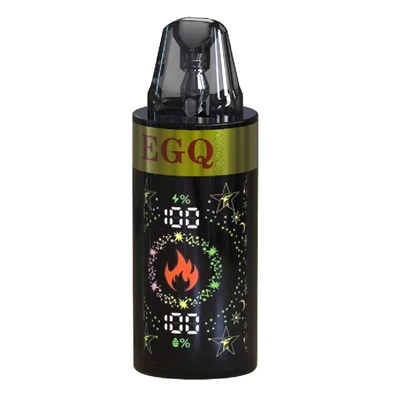
Vape vending machine
Leave a message
"A vape vending machine" refers to an unmanned retail terminal specifically designed for the automatic sale of electronic cigarette products (such as disposable e-cigarettes, cartridges, etc.). It is a field that is closely intertwined with technology, business, and regulation, and the current situation varies greatly around the world.
⚙️ How it works: Not just a regular vending machine
E-cigarette vending machines, in response to strict regulations, are much more technologically complex than regular vending machines. The core is to ensure compliant sales, especially age verification.
Intelligent age verification: This is the most crucial technology. The device integrates multiple methods to verify the age of the purchaser, such as:
AI facial recognition: Estimating age through cameras.
Document scanning: Requiring the scanning of ID cards, passports, etc.
QR code scanning and document upload: Scanning with a mobile phone and uploading photo of the document for verification.
Diversified payment and network management: Supports cash, credit cards, Apple Pay, etc. for mobile payments. The machine usually has 4G, Wi-Fi or Ethernet modules to enable remote real-time monitoring of inventory, sales data and management.
Large capacity and customization: The capacity of the equipment varies. For example, wall-mounted machines can store approximately 110 products, while floor-standing large machines can accommodate up to 488 items. The appearance and internal cargo channels of the machine can also be customized according to needs.
Market status: A global picture of ice and fire
The situation of e-cigarette vending machines around the world is completely different. Some markets are regarded as blue oceans, while others face severe bans.
Expanding rapidly markets (such as South Korea): In South Korea, the number of such machines has grown rapidly. It is reported that the number of e-cigarette vending machines in Seoul increased from 11 units to 69 units within one year. However, this has also triggered serious social issues, such as machines being placed only 100 meters away from primary and secondary schools.
Controversial and loophole-ridden markets (such as Malaysia, the United States):
Malaysia: In Kuala Lumpur, e-cigarette vending machines have appeared in multiple communities, even in private universities.
The United States: The expansion in some areas has raised concerns and resistance from communities about the risk of minors accessing them.
Legally prohibited markets (such as China, the United Kingdom):
China: According to Article 23 of the "Electronic Cigarette Management Measures" implemented on May 1, 2022, the use of vending machines and similar self-service methods to sell or indirectly sell electronic cigarette products is explicitly prohibited.
The United Kingdom: The Welsh and British governments have announced that from October 29, 2026, the sale of e-cigarettes and nicotine products through vending machines will be prohibited.
Strictly restricted markets (such as Germany, Switzerland): In these countries, the setting of e-cigarette vending machines has sparked widespread controversy regarding issues such as placement near schools and insufficient age verification.
⚖️ Core controversy: An unavoidable regulatory challenge
E-cigarette vending machines have sparked controversy worldwide, mainly focusing on the following points:
Minors' protection: This is the core concern. Although there is age verification technology, its effectiveness is questionable.
Technical loopholes: A check in Seoul found that 49.5% (168 units) of the 339 machines could be bypassed by counterfeit ID cards.
Law enforcement difficulties: Due to the ambiguous legal definition (for example, "liquid e-cigarettes" were not classified as "tobacco" in South Korea), it is difficult to regulate machines near schools.
The "grey area" of regulation: In some regions, such machines are in the regulatory void or ambiguity, allowing them to expand rapidly and forming "regulatory blind spots".
Business compliance challenges: For businesses hoping to expand their business, how to truly prevent minors from purchasing is a huge challenge.
Summary
E-cigarette vending machines are the result of technological innovation, aiming to strike a balance between convenience and compliance. However, their practical application worldwide indicates that the current age verification technologies still have flaws, making it difficult to completely prevent minors from accessing them. This has led to their being banned or severely restricted in many countries and regions.