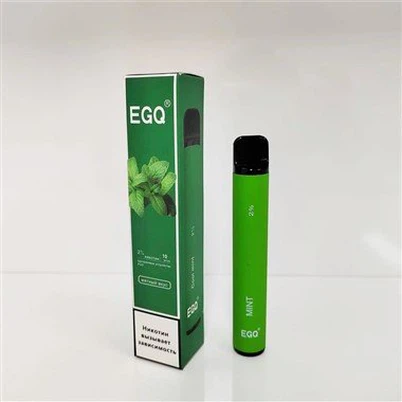
Vape smoke detector
Leave a message
Vape Detector is a sensor specifically designed to identify the aerosol from electronic cigarettes in the air. It differs fundamentally from the common smoke alarms we are familiar with, which are used to detect fire smoke, in terms of their working principles and design purposes.
How does it precisely identify vaping?
The Vape Detector does not simply "sense smoke"; instead, it analyzes various components in the air to make a judgment. Its core technology involves multi-sensor fusion, including:
Laser scattering particle detection: This is the most crucial technology. The detector is equipped with a laser emitter. When air flows through, the tiny particles (with diameters typically below 0.5 micrometers) produced by vaping cause the laser to scatter. The sensor analyzes the scattered light to calculate the concentration and size of the particles, thereby determining whether vaping is occurring. Its detection accuracy can be as low as 0.03 milligrams per cubic meter, far exceeding human olfaction.
Specific chemical gas detection: The main components of vaping e-liquid are propylene glycol and Vegetable Glycerin. The detector's built-in gas sensors can identify these specific chemical "fingerprints."
Auxiliary environmental monitoring: It also monitors temperature, humidity, TVOC (total volatile organic compounds), etc. Because vaping causes local humidity changes, combined with other data, it can effectively eliminate interference from water vapor, dust, etc., reducing false alarms.
Vape Detector vs. Ordinary Smoke Alarm
These two can easily be confused, but they differ significantly in design goals and principles:
Detection Target:
Vape Detector: Specifically detects the aerosol particles and specific chemicals produced by vaping.
Ordinary Smoke Alarm: Detects visible smoke particles (such as from fires) produced by combustion.
Core Technology:
Vape Detector: Laser scattering + Chemical gases + Temperature and humidity, etc., multi-sensor fusion.
Ordinary Smoke Alarm: Photoelectric (using smoke scattering light) or ionization (using changes in ionization current).
Main Uses:
Vape Detector: Monitors and deters vaping behavior in smoke-free areas (such as schools, offices).
Ordinary Smoke Alarm: Life safety alert, detects fire hazards in the first instance.
In simple terms, the Vape Detector is like an "air quality analysis expert," while the ordinary smoke alarm is a "fire sentinel."
Main Application Scenarios and Representative Products
Vape Detectors are commonly used in indoor spaces that require privacy protection and smoking bans:
Schools: bathrooms, changing rooms, classrooms, dormitories, etc.
Companies/Office Spaces: bathrooms, corridors, stairwells, etc.
Public Places: hotels, hospitals, libraries, apartment corridors, etc.
There are some well-known representative products on the market:
HALO Smart Sensor: It is very comprehensive in function, not only detecting vaping and THC (tetrahydrocannabinol), but also identifying attempts to mask vaping with perfumes. Additionally, it integrates safety features such as emergency lighting, gun sound detection, and keyword alerts.
Milesight GS601: A high-precision, tamper-proof Internet of Things detector. It communicates via LoRaWAN and is suitable for large-scale deployment. The price is approximately $371.
Luminite NX-VAPE: Designed for educational institutions and commercial buildings, it can detect particles as small as 2.5 micrometers and includes a motion sensor to confirm the presence of someone in the room before alarming, reducing false alarms.
Key Purchase Points
When purchasing, pay attention to the following points:
Detection accuracy and anti-interference capability: Understand its false alarm rate, and whether it can distinguish between steam, perfume, dust, etc.
Alarm and notification methods: Whether it supports on-site sound and light alarms, and whether remote alarms can be sent through the App, SMS or email.
Privacy and security design: Particularly suitable for privacy-sensitive areas such as bathrooms. Confirm whether the device has anti-tampering and anti-damage functions.
Integration and scalability: Can it be linked with existing access control and monitoring systems? For large venues, IoT protocols such as LoRaWAN facilitate unified management.