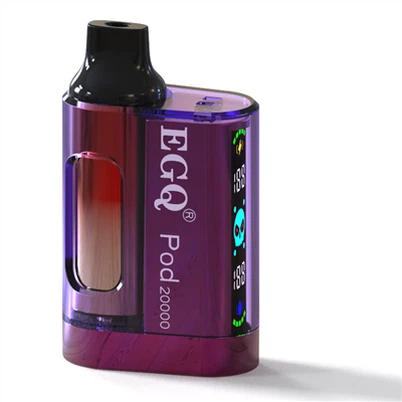
Vape no nicotine
Leave a message
"Nicotine-free e-cigarettes" are often promoted as a healthier option, but scientific research and the opinions of authoritative institutions clearly state that there is no such thing as a safe e-cigarette. Even if they do not contain nicotine, they still pose definite health risks.
⚙️ What is an "Nicotine-Free Electronic Cigarette"?
An "Nicotine-Free Electronic Cigarette" usually refers to an electronic vaping product whose e-liquid does not contain nicotine. Its design aim is to provide users with the "taste and ritual" of smoking while avoiding the addictive nature of nicotine. Its core components typically include:
Propylene glycol (PG) and vegetable glycerin (VG): As solvents and base for the vapor.
Food-grade flavoring: Used to provide various flavors.
Other additives: such as water, sweeteners, etc.
In addition, there are some more specialized products on the market that do not contain nicotine, nor do they have batteries or heating elements. Instead, they provide a similar aromatherapy experience by inhaling substances such as essential oils.
⚠️ Health Risks: Not Just "No Nicotine"
The risks of nicotine-free e-cigarettes mainly come from the other chemicals present in the aerosol (smoke) produced after heating.
Respiratory system damage: The aerosol contains volatile organic compounds, which can irritate the respiratory tract and may aggravate lung diseases such as asthma. Some of these compounds, such as diacetyl, are associated with a serious lung disease called "blast lung". Heating solvents like propylene glycol may also produce carcinogens such as formaldehyde and acetaldehyde.
Cardiovascular system impact: Even electronic cigarettes without nicotine can damage vascular function. Research has found that after using nicotine-free electronic cigarettes, the blood flow and blood oxygen saturation in the femoral artery will significantly decrease, and it may disrupt the oxygen supply and demand balance of the heart.
Potential cells and systemic damage: Laboratory studies have found that e-cigarette smoke without nicotine can trigger inflammatory responses in specific white blood cells and damage the barrier function of pulmonary microvessels. The metals and nanoparticles in the smoke may come from the device itself and, after entering the body, can cause oxidative stress and cell damage.
"Unreliable Ingredients and Labels"
Apart from the aforementioned risks, the "no nicotine" label itself also has issues.
Inaccurate labels: Due to lax supervision, products labeled as "nontoxic" may be found to contain nicotine, and sometimes the nicotine content can even be comparable to that of regular e-cigarettes. This could be due to cross-contamination during the production process or false advertising.
Other harmful substances: Besides nicotine, the aerosol of electronic cigarettes may also contain various harmful or carcinogenic substances such as heavy metals, tobacco-specific nitrosamines, and polycyclic aromatic hydrocarbons.
Examples of nicotine-free products on the market
There are already some brands and products on the market that are clearly free of nicotine:
ELFBAR: Offers a variety of nicotine-free disposable e-cigarette flavors, such as blueberry, strawberry, and grape.
SPV Energy Boosting Tube: Positioned as a "nicotine-free energy product", it offers various flavors such as cola, Red Bull, and fruit mint.
RELX Creator Pro: An e-cigarette product without nicotine under the Yuleke brand.
CAPNOS Legura: A "flavored air electronic cigarette" that doesn't require a battery, providing a flavor experience through the inhalation of essential oils.
Lost Mary: Offers nicotine-free disposable electronic cigarettes in some markets.
Summary
In conclusion, "nicotine-free e-cigarettes" are not a safe alternative. They avoid the addictive nature of nicotine, but do not eliminate the health risks associated with inhaling the chemicals after heating. From the perspective of protecting one's own health or complying with regulations (for example, China has banned the sale of flavored e-cigarettes since 2022), such products should be viewed with caution.