Vape machine
Leave a message
The phrase "Vape machine" is usually translated as "Electronic Vaping Machine" or "Electronic Vaping Equipment" in Chinese, but it does not have a single fixed meaning. Depending on the context, it can refer to completely different things ranging from personal vaping devices, industrial production lines, to vending machines.
Personal Vaping Devices: The Most Common "Machine"
This is the most common meaning, referring to the electronic vaping devices for personal use. This term emphasizes its mechanical and electronic integrated characteristics as a "machine" to differentiate from the earlier simple electronic cigarettes.
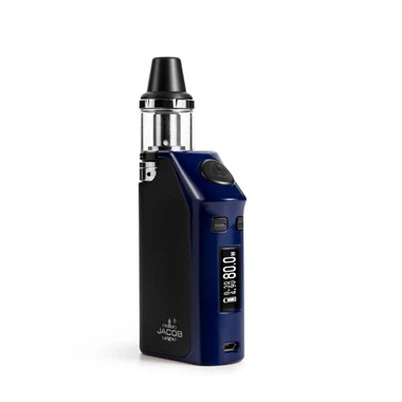
Core Components: A typical personal electronic vaping machine mainly consists of three parts: a battery (providing power), an atomizer (heating element that converts e-liquid into aerosol), and a cartridge/oil tank (storing e-liquid).
Main Categories:
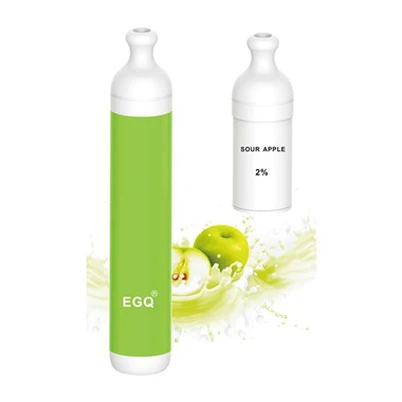
Single-use electronic cigarettes: Pre-filled, sealed, no charging required, suitable for beginners or those seeking convenience.
Rechargeable/Cartridge System: Using replaceable pre-filled or refillable cartridges, relatively compact and portable.
Open-System Devices (Big Smoke/Box Mod): Allowing users to adjust power and replace the atomizer themselves, highly playable, targeting advanced users.
Industrial Manufacturing and Testing Equipment: "Vape Machine" on Industrial Production Lines
In an industrial context, "vape machine" refers to specialized equipment used for large-scale production or scientific testing.
Production Equipment: Includes automated e-liquid filling lines, battery testing stations, and robotic assembly arms, used for precisely and consistently producing electronic cigarette products. Additionally, there are e-cigarette cigarette machines for automatic tobacco rolling, which are completely different from the vaporizing electronic cigarettes.
Testing Instruments: Also known as Smoking Machines, this is a precision instrument for laboratory analysis. It can simulate human inhalation behaviors (such as inhalation volume, duration, intervals, etc.) to capture and analyze the chemical components in e-cigarette aerosols, being a key tool for product development and regulatory compliance. For example, Cerulean Company offers the CETI series linear smoking machines that comply with CRM81 and ISO20768:2018 standards.
Vending Machines: Retail "Machine"
"Vape machine" is also often used to refer to electronic cigarette vending machines (Vape Vending Machines), the high-tech evolution of traditional cigarette vending machines.
Operation Mode: These machines use touch screens for interaction, have an age verification system, and support remote cloud management, allowing real-time monitoring of inventory and sales data.
Product and Positioning: They are usually placed in places accessible only to those over 21 years old, such as bars, nightclubs, or licensed tobacco stores, to comply with US federal regulations.
⚠️ Safety Risks: Hazards Associated with "Machines"
Both personal devices and industrial machines have certain specific risks.
Risks of Personal Device Modification: Unauthorized modification of devices is common among young users. A 2025 study showed that 84% of young e-cigarette users had modified their devices in some way, with 40% performing battery modifications, which could lead to overheating, fires, or explosions. Modifications also increase the risk of exposure to heavy metals and other harmful substances.
Industrial and Occupational Exposure Risks: Workers in electronic cigarette stores or production workshops may face elevated nicotine levels in the air and occupational hazards such as chemical handling.
Overall, the meaning of "vape machine" highly depends on the context. It can be a personal device in your pocket, a production line in a factory, or an automatic vending machine in a bar corner. To understand the specific reference, one needs to judge based on the context in which it appears.