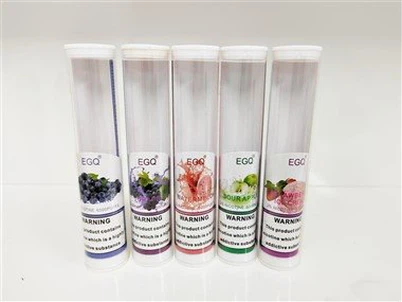
Vape flavor concentrate
Leave a message
"Vape flavor concentrate" (electronic cigarette flavor concentrate) is a high-concentration flavor additive that cannot be used directly for inhalation. It must be diluted before it can be made into a vaporizable electronic cigarette oil.
What is it? What is it for?
The flavor concentrate is the core raw material for DIY (do-it-yourself) electronic cigarette oil. It is usually based on propylene glycol (PG) and contains high concentrations of edible essences or natural extracts. Its main uses are:
DIY blending of e-liquid: This is the main purpose. Users mix the concentrate with PG, VG (vegetable glycerin), and nicotine base liquid in proportion to create e-liquid that suits their personal taste.
As an additive: In industrial production, it is also used as a component in the production of electronic cigarette liquid, fragrances, and even some smoking cessation products.
Common types and usage ratios
The flavor concentrate offers a wide range of flavors, including fruits, tobacco, mint, desserts, and beverages. The recommended addition ratios vary greatly for different flavors. Here are some reference data:
Flavor type Recommended addition ratio
Fruit-based About 10%
Tobacco-based About 6%
Mint-based About 5%
Koolada (cooling agent) 15%-20%
General DIY reference 5% - 20%
It should be noted that these ratios are suggested starting points. The actual amount used can be adjusted according to personal taste preferences. For beginners, it is recommended to start with a 5%-15% total flavor concentration and make a small batch (such as 10-30ml) for testing.
⚠️ Core safety warning: Do not inhale directly
This is the most important point: The flavor concentrate must not be directly used for inhalation in electronic cigarette devices. Its high concentration can cause serious health risks if inhaled directly. It must be fully mixed and diluted with the base liquid (PG/VG) before it can be safely used.
Potential health risks
Although flavor concentrates may be considered safe in food (GRAS), the exposure pathways of inhalation and consumption are completely different, and their safety cannot be directly applied. Existing studies have revealed the following risks:
Cytotoxicity: Different types of flavors have varying degrees of toxicity to cells. A 2025 study found that among the tested concentrates, menthol (Menthol) had the strongest cytotoxicity, followed by cherry and vanilla bourbon flavors. Tobacco flavors had the lowest toxicity.
Harmful chemicals: Analysis revealed that some flavor concentrates contain potential carcinogenic chemicals and heavy metals.
Damage to specific organs:
Lungs: Flavoring agents may weaken the natural defense function of the lungs, damage alveolar macrophages, and disrupt the integrity of the airway epithelial barrier.
Heart: Flavor compounds such as vanillin (Vanillin) in cigarette flavor may induce oxidative stress and increase the risk of ventricular arrhythmias.
Oral cavity: Aromatic aldehydes (such as cinnamaldehyde) in flavoring agents may accelerate the degeneration of oral tissues and affect the health and repair ability of fibroblasts.
Eyes: Studies suggest that exposure to electronic cigarette flavor chemicals may pose potential harm to the retinal pigment epithelial cells of the human eye.
Global regulatory environment
Due to the attractiveness of flavor concentrates to teenagers, global regulations are becoming stricter.
China: According to the "Electronic Cigarette Management Measures" and the national standard "Electronic Cigarettes" (GB 41700-2022), it is prohibited to sell flavored electronic cigarettes except for tobacco flavors, and electronic cigarette products without nicotine must not be sold on the market. This means that flavor concentrates with fruit, candy, etc. flavors are strictly restricted in the domestic market.
United Kingdom: The British government is legislating to regulate the flavors of electronic cigarettes and collecting evidence on the substances and ingredients used in flavors. At the same time, all the liquids used for e-cigarettes (including those made from homemade mixed ingredients) may be subject to the taxation of **vaping products**.
Summary
Vape flavor concentrate is a high-concentration flavor additive used for DIY e-liquid. It must not be consumed directly. Although it offers a wide range of taste options, scientific research has confirmed that it has cytotoxicity and may cause potential damage to organs such as the lungs, heart, mouth, and eyes. Given its health risks and the increasingly strict regulations worldwide, especially the restrictions on non-tobacco flavors, the use of such products requires extreme caution.