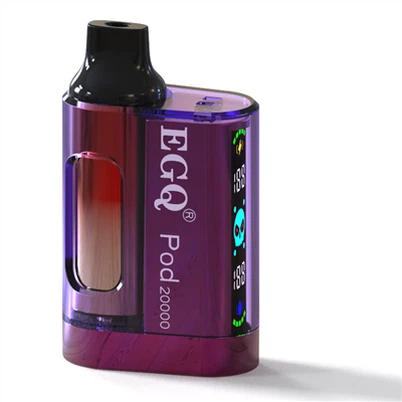
Vap
Leave a message
The term "vaping" simply refers to the act of inhaling vapor through an electronic vaporizer. Its core lies in heating and atomizing the solution or plant material rather than burning it. This is its most essential characteristic and can be understood as a broader form of consumption.
??️ What is Vaping?
In simple terms, Vaping is the colloquial abbreviation for "vaporizing" or "vaporization". It refers to all behaviors of using portable battery-powered devices to heat up plant materials (such as cannabis flowers) or concentrated extracts (such as cannabis oil, wax), in order to produce vapor containing active ingredients. This concept encompasses the following main categories:
Dry Herb Vaporizers: This is the natural association that emerged after your question about "Vap". It is a device specifically designed for cannabis leaves. It heats the herbal plants precisely without burning, avoiding various harmful by-products produced by burning. For instance, in March 2026, PAX Company released its latest model, PAX FOUR, with a heating system that can increase the vapor volume by 50% and supports 4 preset heating modes, indicating that the technology in this category is still evolving.
Concentrate Vaporizers: These are devices used to vaporize more concentrated extracts such as wax, resin, and oils. With the integration of technologies, there are now "dual-purpose" devices available on the market that can accommodate both types.
Cigarette substitutes (Nicotine Vapes): Also known as "electronic cigarettes", they are mainly used to vaporize solutions containing nicotine.
At this point, we can incorporate the previously mentioned "THC vaporizer pen" into this conceptual framework: It is actually a subcategory of "concentrate vaporizers", and is a specific application of Vaping in relation to a particular substance (THC).
⚠️ Important Health Warning
Although heating non-combustion (vaping) theoretically has an advantage over direct combustion inhalation (smoking) in reducing certain toxic substances, numerous studies have shown that it still has clear negative impacts on health.
Clear risk of lung damage: There is a clear association between THC vaping and severe "e-cigarette or vaping product-related lung injury" (EVALI), which has caused multiple serious respiratory diseases and deaths worldwide. Vitamin E acetate (Vitamin E Acetate) is often used as a thickening agent in illegal THC e-liquids and is currently identified as a key pathogenic substance.
Other health risks: The act of inhalation significantly increases the likelihood of users developing chronic obstructive pulmonary disease (COPD), and it can also cause damage to airway cells, inflammation and oxidative stress. Moreover, there is a risk of nicotine poisoning when it comes into contact with the skin or is ingested.
The risks of the equipment itself: Even for legal products, inferior equipment inherently poses risks. Studies have clearly shown that some disposable electronic cigarettes release neurotoxins such as lead and carcinogens like nickel and antimony at levels that are considered "dangerous" during use.
In summary, "vaping" refers to a general term for an intake method, which typically includes the specific category of THC vaporizers. Although it avoids some harmful substances produced by combustion, it is by no means a safe and harmless alternative. Understanding these health risks and the associated knowledge is equally important.