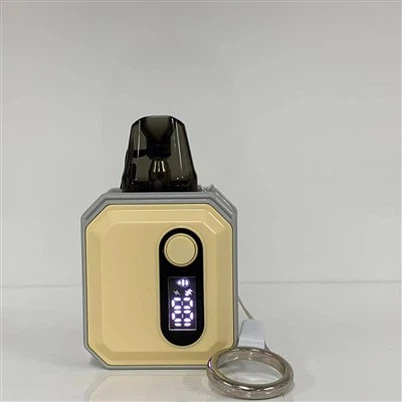
Vaping
Leave a message
Vaping is the use of electronic cigarettes (e-cigarettes) to inhale an aerosol, not water vapor, produced by heating a liquid . While marketed as an alternative to smoking, health authorities universally agree that no tobacco product, including e-cigarettes, is safe .
Here is a quick overview of its key aspects:
| Aspect | Key Points |
|---|---|
| Basic Definition | Inhaling aerosol from a battery-powered device that heats a liquid (e-liquid/vape juice) . |
| Main Components | Device (battery, heating coil, cartridge/pod/tank). E-liquid (typically contains nicotine, flavorings, propylene glycol, vegetable glycerin, and other chemicals) . |
| Health Stance | Not harmless. Contains nicotine (addictive), chemicals linked to cancer (e.g., formaldehyde), and lung irritants . Long-term effects are still unknown . |
| vs. Smoking | Avoids tobacco combustion (and thus tar/carbon monoxide), but still delivers nicotine and other toxins. Public Health England estimates it is 95% less harmful than smoking, but not risk-free. |
| For Smoking Cessation | Not FDA-approved to quit smoking . May benefit some adults as a complete substitute for cigarettes, but proven methods (patches, gum, medication) are recommended first . |
| Youth & Regulation | High youth use is a major concern . Regulations vary wildly, from prescription-only models (Australia) to sales restrictions and flavor bans (US, UK, EU) . |
🔬 Understanding the Aerosol and Health Risks
The aerosol from e-cigarettes is a mix of ultrafine particles and various chemicals . Research has identified over 200 unique chemicals in some products, including substances like formaldehyde, acrolein, and heavy metals such as nickel, tin, and lead . These are known to cause cancer and lung damage .
A major concern is nicotine, which is highly addictive and can harm adolescent brain development, affecting attention, learning, and impulse control . Furthermore, many chemicals in flavorings are only certified as "generally recognized as safe" for ingestion, not for inhalation into the lungs .
🛒 Regulation and Market Context
As previously discussed, the legal landscape is complex and changing rapidly. In places like Australia, access to nicotine vapes requires a doctor's prescription , while other regions ban certain flavors or disposable devices to curb youth appeal. This regulatory pressure is shaping the market, pushing it toward technological innovation and consolidation.
🚭 The Debate on Harm Reduction and Quitting Smoking
A key point of discussion is vaping's role for current adult smokers. Some public health bodies, like those in the UK, endorse it as a significantly less harmful alternative for smokers who switch completely . However, major health agencies, including the U.S. FDA and CDC, state there is not enough evidence to approve e-cigarettes as smoking cessation aids and recommend other proven methods first .
Ultimately, the consensus from medical professionals is clear: if you don't smoke, don't start vaping . For those who do vape and want to stop, seeking help from healthcare providers or quitlines is strongly advised .