

The UK may implement a tariff delay policy for e-cigarettes, compliance experts: Chinese manufacturers must designate government-certified tax representatives
Leave a message
The UK may implement a "tariff delay" policy for e-cigarettes, compliance experts: Chinese manufacturers must designate government-certified tax representatives
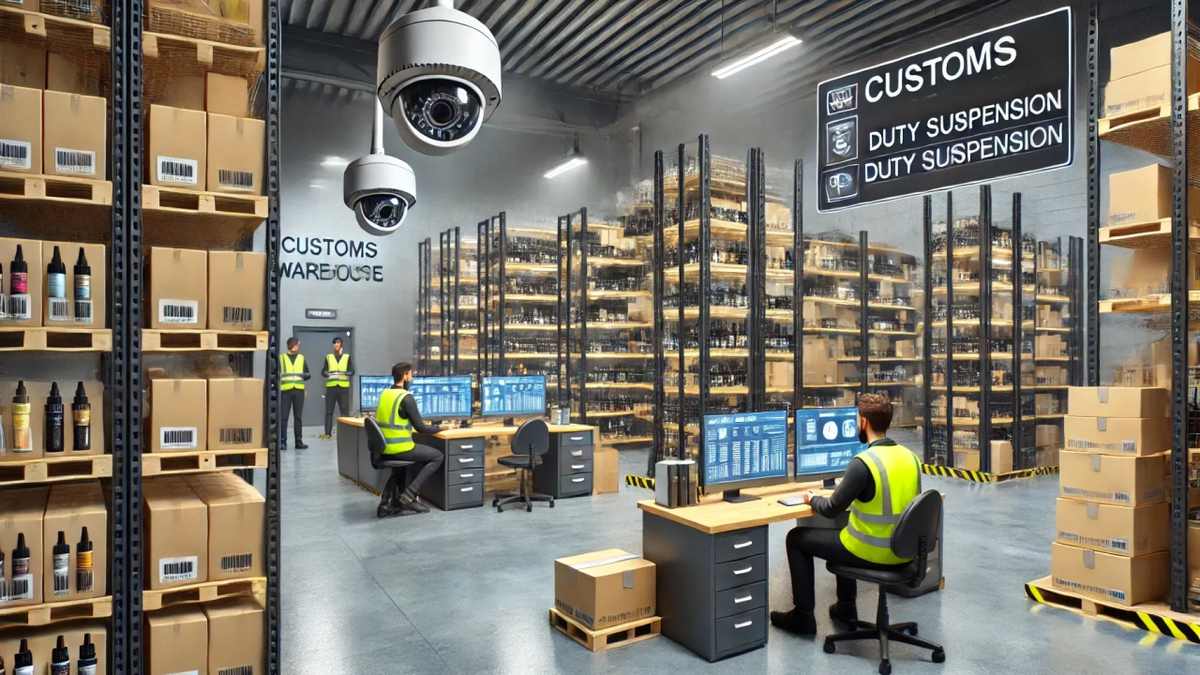
According to government documents, the UK may implement a "tariff delay" policy for e-cigarettes. Experts from compliance companies wrote an article to interpret the policy and put forward compliance suggestions for Chinese e-cigarette supply chain enterprises.
Editor's note:
Recently, the British government released its budget plan, announcing a excise tax of 2.20 pounds per 10 ml of e-cigarette liquid from October 2026. In the same policy document, "Vaping Products Duty: Consultation Response," the government explained its plans to implement a "Duty Suspension" policy on e-cigarette products.
According to the document, "Duty Suspension" allows e-cigarette products to defer the payment of excise taxes, provided certain conditions are met, rather than having to pay them immediately at customs clearance. The policy aims to link the company's cash flow.
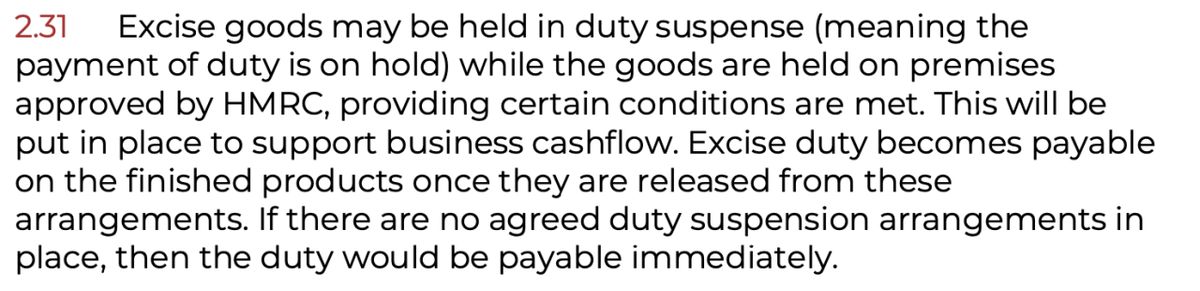
Vaping Products Duty: Explanation of "Duty Suspension" in Consultation Response | Source: UK government website
Robert Sidebottom, managing director of UK-based Compliance firm Arcus Compliance, explained the policy in detail in his social media post. The two Supreme 2Firsts are authorized to reprint this article in full.

Robert Sidebottom, General Manager of Arcus Compliance | Image: Official website of Arcus Compliance
Navigating Duty Suspension and Compliance for Vaping Products
Tax withholding and Compliance guidelines for e-cigarette products
Robert Sidebottom
The UK's new "tariff moratorium" on e-cigarette products is coming soon and is expected to have a significant impact on the industry. Production and import companies, in particular, need to fully understand how these changes will affect their day-to-day operations. According to what we (editor's note: Arcus Compliance Ltd) have reviewed, HMRC's focus is on preventing illegal sales while trying to ensure compliant businesses can still operate as smoothly as possible (or as smoothly as possible under the new rules).
Primary compliance requirements
Approved premises: Only establishments approved by HMRC can handle e-cigarette products that are under a tax suspension to ensure controlled transport and handling of consumer goods.
Record keeping: Manufacturers and importers are required to maintain detailed transaction records of e-cigarette products under a tax suspension to support accurate tax assessments and prevent illegal transfers.
Excise Mobility and Control System (EMCS) : All shipments of suspended products must be recorded in the EMCS to track every step of the supply chain and ensure product traceability.
Security requirements: To prevent products from being illegally diverted, financial guarantees are also expected to become mandatory to protect government revenue and ensure tax compliance.
Restrictions on retail-ready products: Once packaged into retail products, further duty-free shipping will be prohibited to help prevent the flow into the black market.
Safety and storage management systems for e-cigarette manufacturers
To comply with these requirements, e-cigarette manufacturers need to implement strong safety and warehouse management systems.
Physical security: Access to suspended goods is restricted through badge or biometric access control, CCTV monitoring and on-site security to monitor compliance and manage risk.
Inventory tracking: Real-time inventory tracking software combined with periodic inventory checks ensures accurate records. Product isolation in dedicated areas also supports HMRC compliance.
Tax-free movement Tracking: Integration with EMCS and digital logging will help record every movement of goods in the warehouse and ensure audit readiness.
Financial security and Compliance reporting: Financial guarantees, such as bonds, cover potential tariff liabilities, while automated reporting tools facilitate timely submission of documents to HMRC.
Export and destruction procedures: Proper export documentation supports duty refunds, while detailed documentation of destruction of non-marketable goods further ensures regulatory compliance.
Other points to consider
Export tax refund: For products that have paid duties in export destinations, enterprises can apply for tax rebates by providing export documents to support international business operations and avoid double taxation.
Compliance Grace period: The grace period gives businesses time to adjust their processes to meet the tax suspension and stamp duty requirements, making the transition smoother and helping small businesses adapt smoothly.
Tax stamp requirement: Retail products on which the tax is suspended must be stamped to clearly mark compliant products and help prevent illegal sales.
Potential controls on nicotine supply: The government may impose controls on non-retail nicotine supply to limit unauthorized production, adding another layer of compliance for manufacturers.
For overseas manufacturers (e.g. Chinese manufacturers)
Overseas manufacturers, including those in China, need to meet specific requirements in order to comply with the UK's "tariff moratorium" rules:
Appointment of a UK tax representative: Non-UK manufacturers must appoint a UK tax representative approved by HMRC who is responsible for ensuring tax compliance of imported products.
Use of tax stamps on product imports: Manufacturers can apply tax stamps before shipping products to the UK. This requires coordination with UK representatives to confirm that the stamp meets overseas HMRC standards.
Compliance with UK standards: Imported products must meet all UK GST and temporary duty requirements, including record keeping of invoices, tax-compliant packaging and applicable tax stamps.
Final thought
It all comes down to better e-cigarette product tracking and safety. The new regulations will not be easy for small businesses to adjust to, but with the right warehouse management systems and compliance measures in place, all of this can be achieved. The proposed changes are designed to demonstrate the UK government's priorities in public health and combating the illegal trade. For e-cigarette companies, the key is to strengthen process management, maintain compliance, and be prepared.
By Robert Sidebottom
On November 5, Robert Sidebottom explained the above policy further to 2Firsts:
Yes it does however, UK manufacturers and UK distributors will need a customs warehoues to suspend the duty, the process of achiveing this status is quite complicated and requires the companies to have and audit and gap analysis to discover what they need to do including an assessement of thier processes and procedures and a check to see if thier warehouse management system is up to the job. Once in place they need to then apply to HMRC for this status and will be subject to an inspection. The reason they government have set the target to 2026 is they know that a great number of businesses need to do this work.
UK manufacturers and distributors need to set up a bonded warehouse to defer taxes, and the process of achieving this status is quite complex, requiring businesses to undertake audits and gap analyses to determine what needs to be done, including assessing their processes and procedures, as well as checking that their warehouse management systems are up to date. Once they are ready, they need to apply for the status with HMRC (HM Revenue & Customs) and undergo a check. The government set the target for 2026 because they knew there was a large number of businesses that needed to get the job done.
For context, let say for example you have 1 million bottles of 10ml eliquid on your shelves or you import that from China you Duty liability which will be due immediatly. So you have to pay the tax of £2.2 million pounds. If you put the product into a customs warehouse the duty / tax is suspended until you remove them from that facility. Most business that do this operate a bonded and free stock system. Having a working stock of duty paid products immediatly available to manage the cash flow.
For ease of understanding, suppose you have 1 million 10ml bottles of e-cigarette liquid on the shelf, or import these products from China, then you will incur an immediate tax liability and need to pay £2.2 million in tax. However, if you place these products in a bonded warehouse, the duties/taxes will be suspended until you remove them from that facility. Most businesses that operate in this way employ bonded and tax-free inventory systems, which retain a portion of available inventory that has been taxed in order to better manage cash flow.
If you have any questions about UK tax and compliance policy, please contact the two Top 2Firsts: info@2firsts.com. Experts will be invited for further interpretation.


