

The U.S. Supreme Court heard a flavored e-cigarette case. Trump's policy may change the situation
Leave a message
The U.S. Supreme Court heard a flavored e-cigarette case. Trump's policy may change the situation
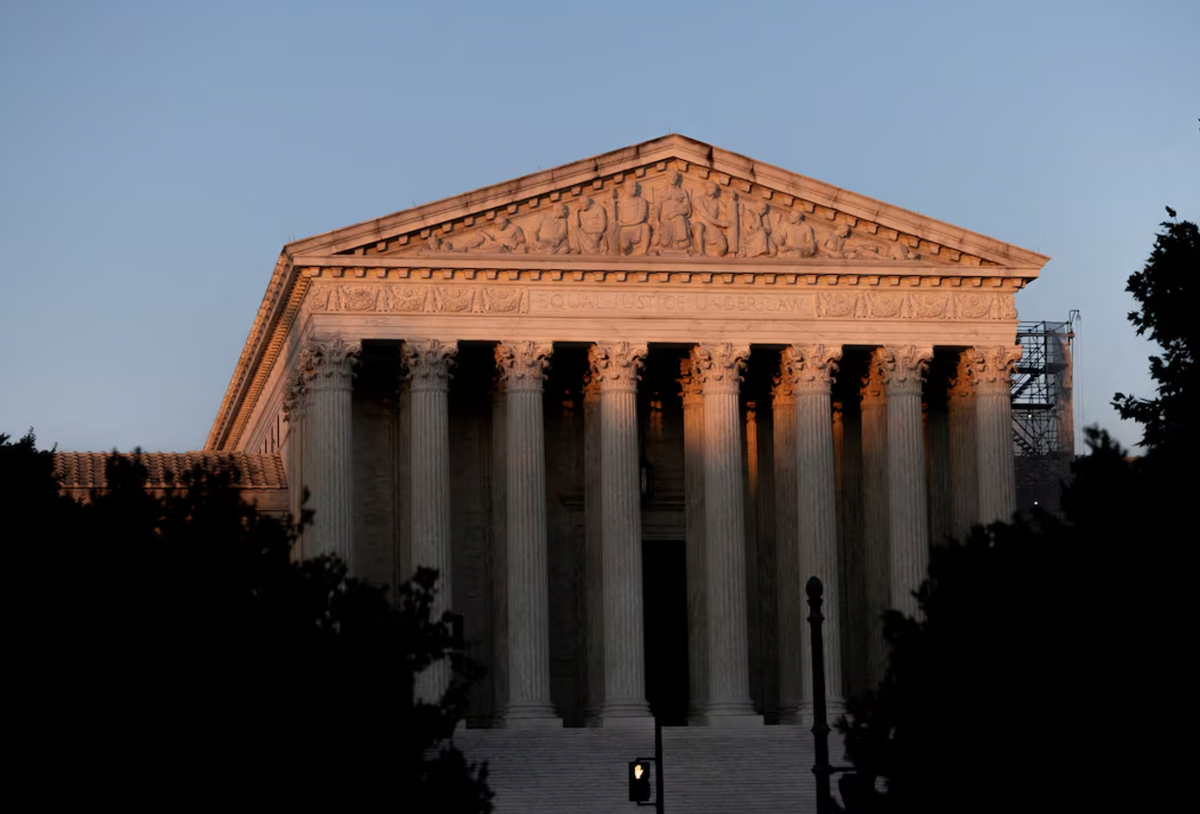
The U.S. Supreme Court heard a case in which two e-cigarette companies were rejected for selling flavored e-cigarette products, and lawyers said Trump may change e-cigarette regulatory policies. The Supreme Court's ruling is expected to be announced by the end of June next year.
According to the Associated Press on December 3, the U.S. Supreme Court heard a case on Monday (2nd) in which the U.S. Food and Drug Administration (FDA) rejected two e-cigarette companies from selling flavored e-cigarette products. Lawyers for the two companies said that President-elect Donald Trump may take a different approach.
As Democratic President Joe Biden leaves office, the FDA appealed a lower court ruling that the agency did not follow proper legal procedures when rejecting the sale of these nicotine-containing products. This is the latest case in which the Supreme Court reviews the actions of U.S. regulators against the backdrop of Trump's upcoming inauguration on January 20 and his promise of broad deregulation.
Eric Heyer, a lawyer for e-cigarette oil manufacturers Triton Distribution and Vapetasia, said Trump's return could prompt a policy shift in the U.S. government on flavored e-cigarette products. He mentioned that Trump promised to "save e-cigarettes" during the campaign.
"We're going to have a new administration. The president-elect has said publicly, 'I'm going to save flavored e-cigarettes.' We don't know exactly what that's going to look like."
Triton Distribution and Vapetasia filed premarket tobacco product applications (PMTAs) in 2020 for products with flavors like sour grape, pink lemonade and caramel pudding and names like "Jimmy The Juice Man Strawberry Astronaut" and "Suicide Bunny Bunny Season." The FDA rejected the companies' applications, along with more than a million other products that critics say are designed to appeal to minors.
The FDA has approved only 34 flavors of e-cigarettes, all of which are tobacco or menthol. The agency insists it does not explicitly ban flavored e-cigarette products. But because the FDA has found that flavored e-cigarettes pose a "known and significant risk" to teenagers, companies face a rigorous legal test of health benefits and risks.
In 2021, Triton and Vapetasia asked the Fifth Circuit Court of Appeals in New Orleans to review the FDA's decision to deny their applications. In January, the Fifth Circuit ruled that the FDA violated the Administrative Procedure Act and acted arbitrarily and capriciously by failing to consider the company's plans to prevent underage access and use when denying the application. Seven other federal appeals courts have supported the FDA's position in similar cases.
Some justices expressed doubts about Triton and Vapetasia's claim that the FDA used a different regulatory standard than the published guidelines when evaluating their applications. Liberal Justice Elena Kagan told lawyers on both sides that the FDA was "completely candid" about its regulatory approach.
"So I don't quite understand why this is surprising, basically everyone knows that flavored products are particularly dangerous for kids who start using smoking products."
Justice Neil Gorsuch questioned whether the FDA's procedures gave the companies a fair opportunity to make their claims, given that their businesses were at risk.
Conservative Justice Brett Kavanaugh said he was concerned about how the companies would seek recourse if the FDA issued misleading guidance. But he also noted that the FDA was not obligated to issue the guidance given in the e-cigarette case. "I'm trying to figure out what the legal error is here." Even if e-cigarette companies lose in court, they can reapply for sales authorization, he said.
Heyer believes the process will take too long and companies may be forced to shut down.
In general, the court has been skeptical of the power of federal regulators, including overturning the so-called Chevron doctrine, which has allowed judges to defer to agencies' interpretations of the law.
Conservative Justice Amy Coney Barrett questioned whether e-cigarette companies wanted the court to take the concept further.
"It's almost a reverse deference to Chevron, except that we respect the applicant's opinion."
The Supreme Court is expected to make a decision by the end of June 2025.


