

South Korea's Tobacco Industry Law hearing may proceed as scheduled, synthetic nicotine will be regulated and taxed
Leave a message
South Korea's Tobacco Industry Law hearing may proceed as scheduled, synthetic nicotine will be regulated and taxed
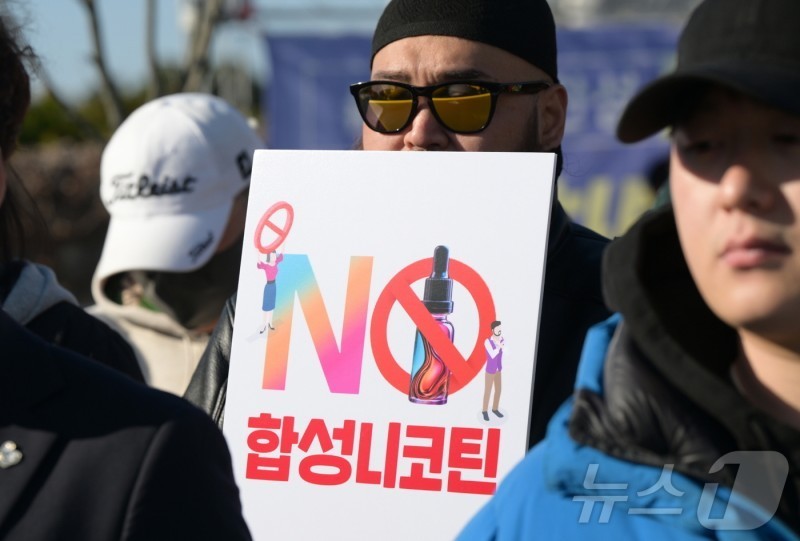
The hearing on the Tobacco Business Act of South Korea may be held as scheduled on the 27th, focusing on the regulation and taxation of synthetic nicotine products. The results of the discussion may have a significant impact on the e-cigarette market.
According to N.News on December 24, although there was news that the relevant public hearing would be postponed indefinitely due to the issuance of the emergency martial law, the hearing on the Tobacco Business Act of South Korea will still proceed as planned.
It is reported that this hearing will focus on the regulation and taxation of synthetic nicotine products, and the results of this discussion may have an important impact on the passage of future bills.
On the 24th, industry insiders revealed that the hearing will be held at 9:30 am on the 27th under the auspices of the Planning and Finance Committee of the National Assembly. The meeting mainly discussed the regulation and taxation plan that treats synthetic nicotine e-cigarettes the same as ordinary tobacco. Previously, the bill was reviewed by the Economic and Fiscal Group of the Planning and Finance Committee on November 27, but no conclusion was reached. If the amendment is passed after discussion at this public hearing, synthetic nicotine e-cigarettes will be subject to the same regulations and taxation as ordinary cigarettes.
However, retailers selling synthetic nicotine e-cigarettes are concerned that their livelihoods will be negatively affected, while consumers who use synthetic nicotine products as a smoking cessation aid believe that the move limits their choices.
An industry official said,
"Despite the endless debate over synthetic nicotine regulation, as its harmfulness becomes apparent, multiple groups, including youth groups, have stressed the urgency of new regulations, and social consensus on its necessity is growing."


