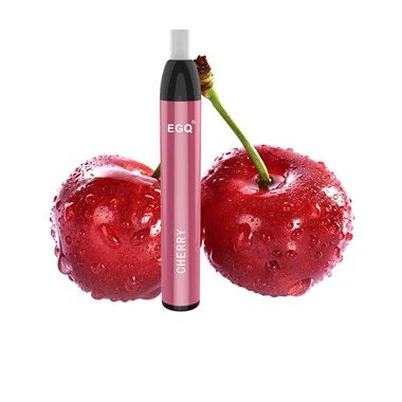
Poland proposes to ban flavored heated tobacco products: public consultation ends
Leave a message
Poland proposes to ban flavored heated tobacco products: public consultation ends
The Polish Ministry of Health has proposed to amend the Health Protection Act, planning to ban the sale of heated tobacco products with characteristic flavors. The draft has sparked strong opposition from the Polish tobacco industry, especially because flavored products account for 80% of the heated tobacco market.
According to Rynekzdrowia recently reported, the Polish Ministry of Health announced on July 3 that the 30-day public consultation on the draft amendment to the Health Protection Act has ended.
On May 15, the draft amendment submitted by the Ministry of Health entered the public consultation stage. The draft proposes to add a definition of "heated tobacco products" to the current law, namely "heated tobacco products-an innovative tobacco product, in which products containing nicotine and other chemicals are released due to heating", which can be specifically divided into smokeless tobacco products or burning tobacco products.
The draft amendment also includes a ban on the sale of "tobacco products with characteristic flavors", and this ban also applies to heated tobacco products. The new regulations require manufacturers and importers of new tobacco products to "promptly submit all new or updated information, including analysis, research and other relevant data to the Director of the Chemicals Administration", and the Director of the Chemicals Administration may also request additional information. The changes are intended to implement the EU directive of June 29, 2022.
The draft's rationale states that "these products are a new tobacco product that has not been tested to a comparable degree to traditional tobacco products, such as cigarettes." The Ministry of Health believes that additional research and information will help the Director of the Chemicals Agency to conduct a more comprehensive assessment of new tobacco products, thereby improving the level of public health protection.
In addition, it was proposed that "the risk of placing heated tobacco products with characteristic flavors on the market needs to be reduced," and it was pointed out that the law will come into force three months after publication, which will provide manufacturers with time to withdraw flavored tobacco products.
According to the impact assessment report of the draft amendment, 1.5% of the adult population in Poland currently uses heated tobacco products. The report believes that banning flavored tobacco products may reduce their consumption.
"After the ban on the sale of heated tobacco came into effect, one in ten smokers decided to quit (11.6%). However, 8.8% of those who smoked such products switched to heated tobacco products or e-cigarettes (6.1% of men and 11.2% of women, respectively). In addition, it was most common among young people (23.7% in the 18-24 age group and 13.9% in the 25-34 age group)."
The Ministry of Health estimates that about 80% of the new tobacco product market consists of products with characteristic flavors. Although the Ministry of Health believes that these changes will not significantly affect the sales of tobacco products in Poland, they may still lead to a reduction in government budget revenues, which is expected to be 68.3 million zlotys (about 16.4 million US dollars) per year, provided that the sale of existing stock products is allowed in the year the law comes into effect.
However, the Polish Tobacco Growers Association strongly opposed the draft amendments. The head of the association, Przemysław Noworyta, pointed out that the future of tobacco growers in Europe, especially in Poland, is closely related to the development of the heated tobacco products market. As sales of traditional cigarettes decline in EU countries, the market share of heated tobacco products continues to increase. He stressed that the association hopes that the industry will develop so that Polish tobacco can be widely used in the production of heated tobacco products.
Novorita said that the Polish government implemented a directive that many legal experts considered flawed and appealed to the European Court of Justice without the EU publishing a final judgment, proposing to ban heated tobacco products with characteristic flavors, especially mint flavors, which account for 80% of the market. He believes that this approach is destructive to the development of the industry.