Philip Morris International targets African market and plans to develop new economical tobacco products
Leave a message
Philip Morris International targets African market and plans to develop new economical tobacco products
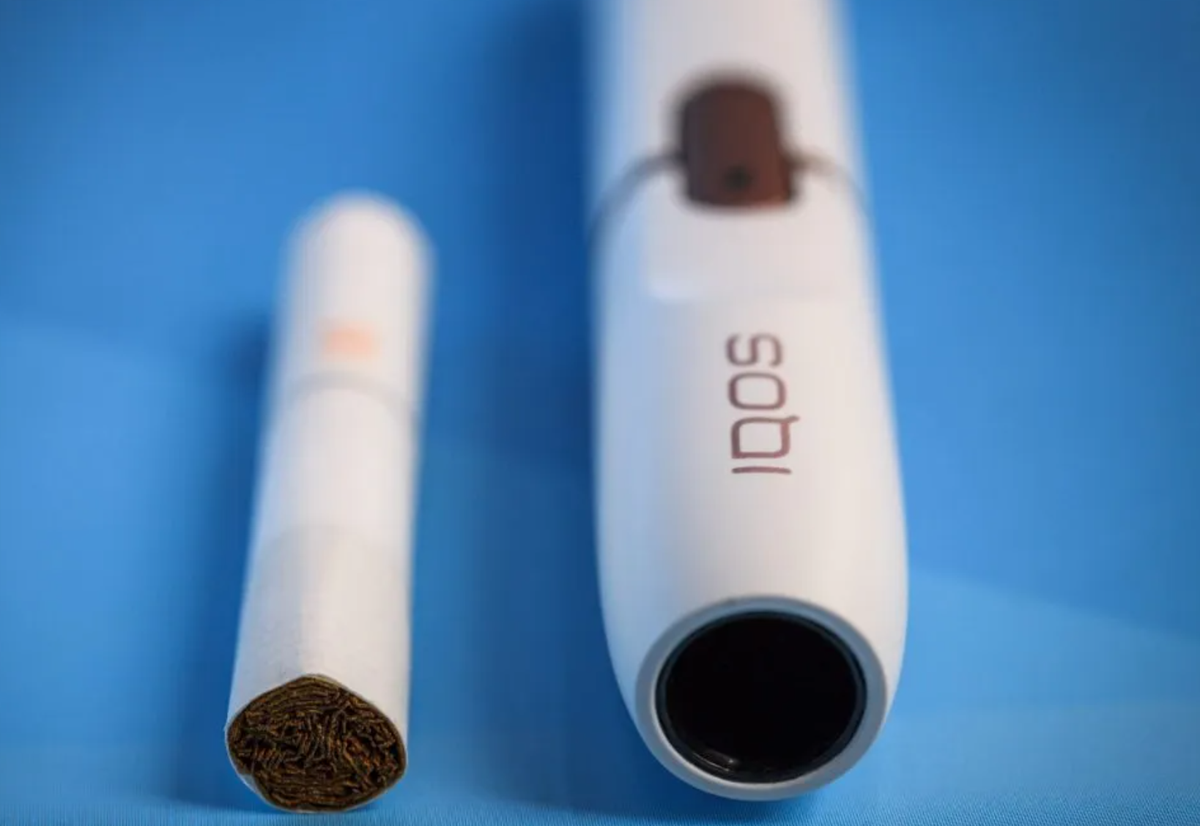
Philip Morris International (PMI) is developing new, cheaper tobacco products to meet the needs of the African market, while emphasizing that these alternatives are designed for existing smokers with the goal of reducing health risks.
According to African.Business on December 28, a senior executive of Philip Morris International (PMI) said that PMI is developing new, cheaper tobacco products to provide alternatives for African smokers.
Frederic de Wilde, CEO of PMI South and Southeast Asia, CIS, Middle East and Africa, said at a technology innovation event held in Abu Dhabi, UAE, that although the smoke-free market in Africa is still in its infancy, it is very price-sensitive, which provides business opportunities for the company.
The person in charge pointed out that the new tobacco products initially launched are high-end products with high prices. Although they have achieved certain market penetration in some countries, only 5% to 10% of consumers can afford them in many countries under his responsibility. In order to cope with this cost barrier, PMI is committed to developing new, cheaper tobacco products.
He said that the company is targeting the low- and medium-priced market through innovative research and development of a simple heat-not-burn device. Also in the e-cigarette sector, companies are developing product lines in the hope of achieving success with novel tobacco products in developing countries.
However, due to the different approaches to tobacco regulation in different countries, some policymakers have an ambiguous attitude towards novel tobacco products, often classifying them together with traditional cigarettes.
Wilder pointed out that winning the trust of regulators requires increasing awareness of novel tobacco products. He stressed that 11 independent national authorities, including the US Food and Drug Administration (FDA), have reviewed its scientific basis, and the US FDA has even granted it an authorization for reduced-risk tobacco products. In addition, another important aspect of winning the trust of African regulators is to clearly communicate that these products are not for new consumers, but are designed for existing smokers with the goal of reducing the health risks they currently face.
He believes that increasing awareness of novel tobacco products must first start with the authorities and then extend to consumers. To this end, marketing restrictions on novel tobacco products need to be relaxed in terms of information dissemination, and they should not be classified with traditional cigarettes. He called for market freedom so that companies can interact with consumers and support them in trying new products to help transition to novel tobacco products.