

Philip Morris International launches new IQOS ILUMA device in South Korea, market share jumps to 20%
Leave a message
Philip Morris International launches new IQOS ILUMA device in South Korea, market share jumps to 20%
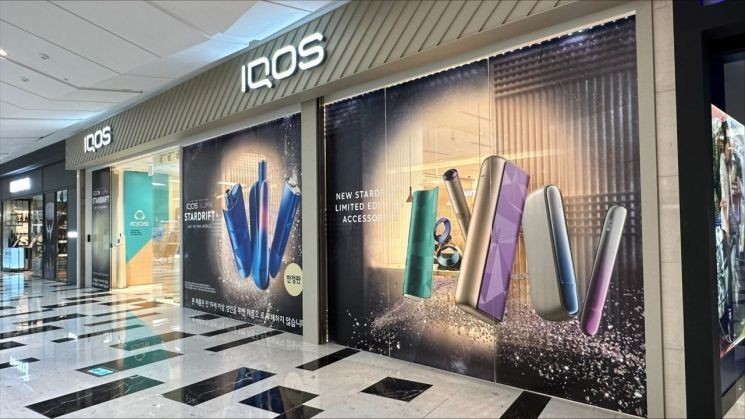
In the first half of 2024, Philip Morris International Korea has upgraded its heat-not-burn e-cigarette equipment and its market share of traditional cigarettes and e-cigarettes in the country has reached 20.0%. At the same time, it has stopped producing old products and focused on the new IQOS ILUMA and TEREA promotion.
According to N. News on August 6, in the first half of 2024, Philip Morris International Korea expanded its domestic market share through the upgrading of heat-not-burn e-cigarette equipment.
Against the background of the continued growth of the domestic e-cigarette market, the company decided to stop the production of the old "IQOS" and its special cigarette cartridges "HEETS", and instead focused on the new "IQOS ILUMA" and "TEREA", achieving remarkable results. Increased profitability.
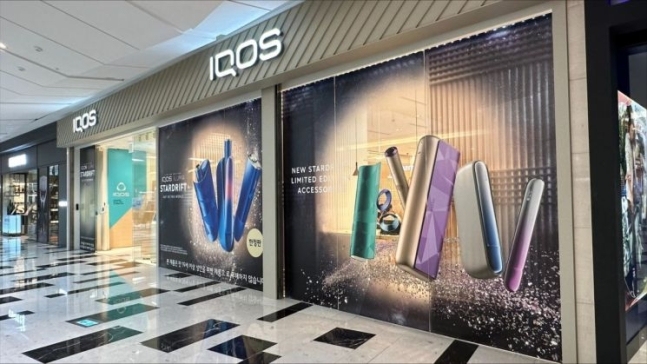
IQOS ILUMA series store display Source: N. News
According to PMI data, in the first half of this year, PMI Korea's market share of traditional cigarettes and e-cigarettes in the country reached 20.0%, an increase of 0.5% from 19.5% in the same period last year.
In addition, heat-not-burn e-cigarettes have driven PMI Korea's market share. In the first half of this year, the company's "TEREA" and other heat-not-burn e-cigarette cartridges (HTU) had a market share of 7.9%, an increase of 1% from 6.9% in the same period last year. This growth rate is twice the growth rate of the overall tobacco market share, further consolidating the leadership of heat-not-burn e-cigarettes in the market.
At the same time, the shipment volume of heat-not-burn e-cigarette cartridges reached 2.8 billion, an increase of 11.7% year-on-year, far exceeding the growth rate of the entire cigarette market shipment volume (0.5%). The shipment volume of traditional cigarettes fell from 4.4 billion to 4.2 billion, a year-on-year decrease of 5.6%.
Last year, the company focused on promoting "IQOS ILUMA", and this year it has expanded its "TEREA" cartridge product line to increase its share of the e-cigarette market.
Following the launch of "TEREA Russet" and "TEREA Teak" last year, "TEREA Arbor Pearl" and "TEREA Starling Pearl" were launched in March and June this year, respectively, expanding TEREA's product line to 17 types.
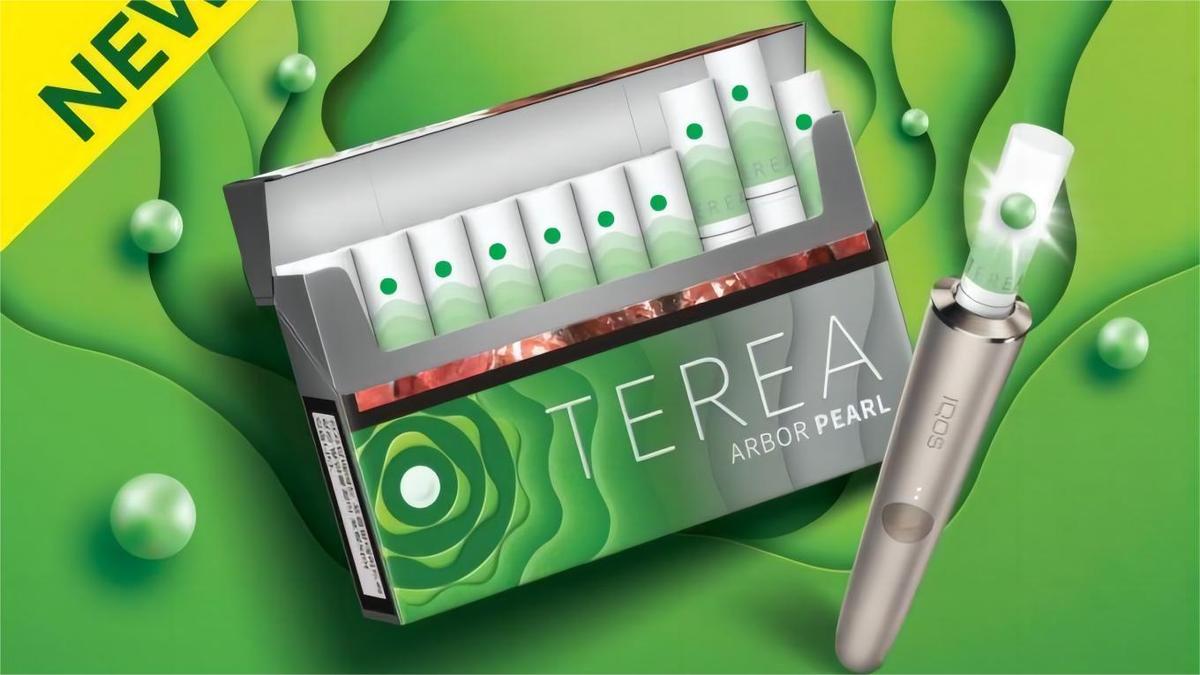
"TEREA Arbor Pearl" Source: PMI official website
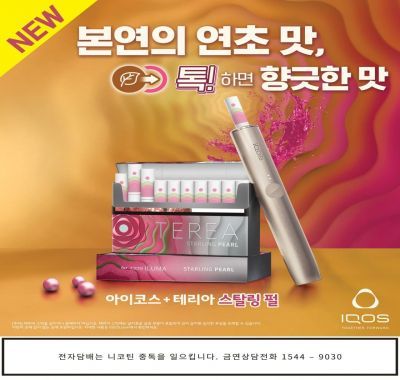
"TEREA Starling Pearl" Source: PMI official website
In order to strengthen its market competitiveness, the company has completely discontinued the production of the old cigarette cartridge "HEETS" that is incompatible with "IQOS ILUMA". In June 2017, the company launched the "IQOS" and "HEETS" series of products in South Korea for the first time. In March this year, the company decided to stop producing all 16 "HEETS" products made in South Korea.
The decision to stop the production of "HEETS" is regarded by the company as one of the strategies to improve profitability. Compared with the old products, the new "IQOS ILUMA" and "TEREA" are sold at a higher price, and the price of "TEREA" cigarette cartridges is also higher than The price of "HEETS".
In addition, the company's profitability has significantly improved through equipment upgrading. According to data from the Electronic Bulletin System of the Financial Supervisory Service, PMI Korea's operating profit last year was 105.7 billion won (US$76.86 million), an increase of 31.1% from 80.6 billion won (US$58.61 million) in the previous year. Sales reached 790.5 billion won (US$570 million), a year-on-year increase of 15.1%; net profit increased from 45.3 billion won (US$32.94 million) to 89.1 billion won (US$64.79 million), an increase of 96.6%.
Despite this, competitors such as KT&G are also growing. In 2018, KT&G officially entered the e-cigarette market with "Lil Hybrid", and its market share increased from 16% in 2018 to 46.6% in the first quarter of 2023. At present, KT&G's cigarette cartridge sales continue to grow. Sales volume in Q1 this year reached 1.43 billion, a year-on-year increase of 3.6%.


