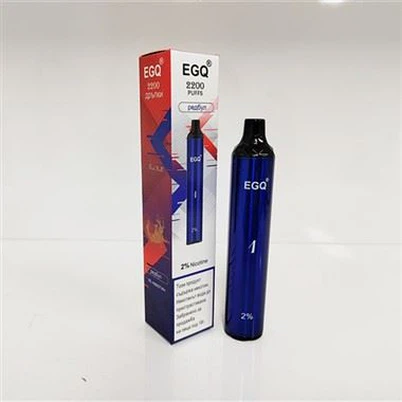
How to make your own vape oil?
Leave a message
Making your own vape juice (e-liquid) allows for customization of flavor, nicotine strength, and throat hit, but it comes with significant risks if not done properly. Here's a responsible overview based on the provided search results, which strongly advise against homemade vape juice production due to safety concerns .
⚠️ Disclaimer and Strong Warnings
Nicotine is Highly Toxic: Pure nicotine or high-concentration nicotine solutions are extremely poisonous and can be fatal if ingested or absorbed through the skin. Proper handling with gloves, eye protection, and precise equipment is non-negotiable .
Ingredient Quality is Critical: Only food-grade (or pharmaceutical-grade) Vegetable Glycerin (VG) and Propylene Glycol (PG) should be used. Industrial or non-certified grades can contain harmful impurities like ethylene glycol or diethylene glycol, which become toxic when heated and inhaled .
Legal and Health Risks: Regulations on e-liquids vary. Homemade juices avoid quality control, potentially leading to unsafe products. The sources consistently do not recommend DIY vape juice for personal use due to these inherent dangers .
###🧪 Understanding the Components
All vape juices are blends of a few base ingredients:
Vegetable Glycerin (VG): A thick, sweet liquid responsible for producing dense vapor clouds. High-VG juices offer a smoother throat hit but are less efficient at carrying flavor .
Propylene Glycol (PG): A thinner liquid that carries flavor more effectively and provides a stronger "throat hit" that mimics traditional smoking. Some people (estimates suggest <0.3%) may have a PG allergy .
Nicotine Solution: Purchased in a diluted form (e.g., in a PG or VG base). Common base strengths are 36mg/ml or 100mg/ml. Extreme caution is required. Higher concentrations (e.g., 100mg/ml) must be professionally stabilized .
Flavor Concentrats: These are food-grade flavorings specifically designed for vaping (not all food flavorings are safe to inhale). They are typically used at 10-15% of the total volume but can vary .
Table: PG/VG Ratio Guide
| Ratio (PG/VG) | Throat Hit | Vapor Production | Flavor Intensity | Best For |
|---|---|---|---|---|
| 50/50 | Medium | Medium | Good | Balanced experience; smaller pod devices |
| High PG (e.g., 70/30) | Stronger | Less | Stronger | Users prioritizing throat hit and flavor |
| High VG (e.g., 30/70) | Smoother | Dense | Muted | Cloud chasing; sub-ohm devices |
Table: Common Nicotine Strengths
| Nicotine Strength | User Profile | Experience |
|---|---|---|
| 0mg | Social smokers; flavor enthusiasts | No throat hit, pure flavor and vapor |
| 3mg | Light smokers; sub-ohm lung hit users | Mild throat hit, smooth for direct-lung inhalation |
| 6mg | Moderate smokers; mouth-to-lung users | Noticeable throat hit, similar to a light cigarette |
| 12mg+ | Heavy smokers | Very strong throat hit, not recommended for sub-ohm devices |
###🛠️ Equipment and Safety Gear
You must have the right tools to ensure accuracy and safety:
Precision Digital Scale: This is the most accurate method. Measure ingredients by weight (grams), not volume, for consistency. Avoid using "drops" as a unit of measurement .
Graduated Cylinders or Syringes: For measuring base liquids. Needles should be removed for measuring thick VG .
Chemical-Resistant Gloves & Safety Glasses: Mandatory to protect from nicotine exposure.
Clean Work Surface & Containers: Use dedicated plastic or glass bottles and beakers.
###📋 The DIY Process (Steeping)
If you understand and accept the risks, the basic process involves:
Formula Calculation: Use an e-juice calculator (available online) to determine the exact weight of each ingredient needed for your desired batch size, nicotine strength, and PG/VG ratio .
Sanitization and Safety: Put on your gloves and glasses. Ensure all equipment is clean.
Measuring Ingredients: Following your calculator's recipe:
Weigh the desired amount of nicotine base first into your bottle.
Add the pre-calculated amounts of PG and VG.
Finally, add the flavor concentrates.
Mixing (Shaking): Cap the bottle tightly and shake vigorously for several minutes until the mixture appears uniform. Since ingredients have different densities, they will initially separate .
Steeping/Aging: This is a crucial and often overlooked step for flavor development, also known as "aging" or "curing" the e-liquid .
What it is: The process where the various components meld together. Chemical reactions occur over time, mellowing harsh flavors and allowing the profile to become harmonious and balanced.
How to do it: Store the shaken bottles in a cool, dark place. Open the cap daily to "burp" the bottle, releasing any built-up air.
How long it takes: steeping times vary widely.
Fruit flavors: Can be vaped after a few days but best after 1-2 weeks.
Creamy, dessert, or tobacco flavors: Require 2-4 weeks or longer to reach their full potential.
You can speed up the process for simple recipes using methods like a ultrasonic cleaner (using heat) or placing the bottle in a warm water bath .
###💡 Important Considerations
Start Simple: Begin with single-flavor recipes or proven recipes from reputable online communities before attempting complex mixes .
Keep a Notebook: Record every detail of your recipes: weights, brands of flavors, steeping time, and your tasting notes. This is essential for replicating successes .
Patience is Key: Do not vape your mixture immediately after shaking. Allowing it to steep is necessary for the flavors to properly blend and for any harshness to dissipate .
###☠️ Associated Risks
Nicotine Poisoning: This is the most immediate and severe risk. Symptoms include nausea, elevated heart rate, and seizures. Handle nicotine with extreme care .
Unknown Health Effects: Inhaling homemade mixtures made with non-vaping-specific ingredients could pose unforeseen health risks.
Inconsistent Results: Without precise measurements and proper steeping, the flavor, nicotine delivery, and experience can be unpleasant or unpredictable.
Given the significant risks involved, the safest choice is to purchase professionally manufactured e-liquids from reputable brands. If you are determined to proceed, prioritize safety above all else: invest in proper equipment, source high-quality ingredients, and dedicate time to thorough research from established DIY communities.