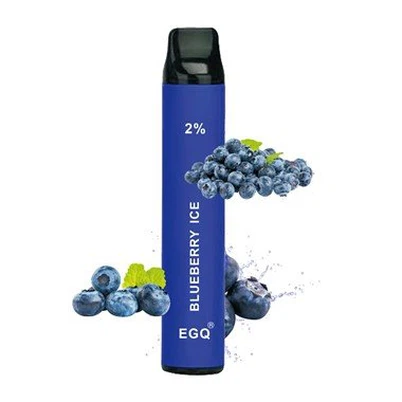
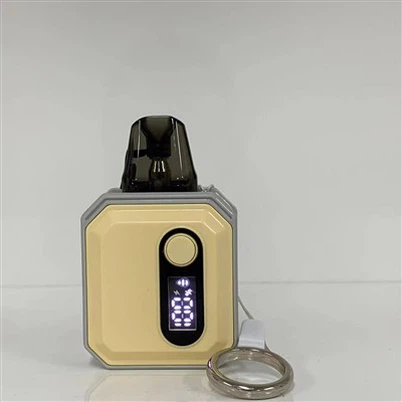
Nicotine juice
Leave a message
Nicotine e-liquid (Nicotine Juice / E-liquid) is the core consumable item of electronic cigarettes. Its core health risks not only come from nicotine itself, but also from the harmful substances produced after heating and the possible illegal addition of chemical components.
Core component composition
Nicotine e-liquid is usually composed of the following five components:
Component Role Key risks
Propylene glycol (PG) Solvent, carrying flavor, causing "throat hit" When the content is >70%, the cytotoxicity of aerosol cells significantly increases
Vegetable glycerin (VG) Solvent, generating a large amount of vapor Among in vitro studies, the damage to ovaries in PG/VG is the most significant
Food flavoring Providing flavors such as fruits, mint, etc. After heating, it can produce carcinogens such as formaldehyde and acetaldehyde
Nicotine Adhesive substance, providing physiological stimulation There are significant differences in concentration, and there may be situations where the label does not match the actual situation
Water Adjusting viscosity Relatively harmless
Nicotine concentration: The difference between labeled and actual content is huge
The nicotine concentration of e-liquid is usually indicated in mg/mL, but the actual content may be significantly different from the label.
Labelled concentration range: Common nicotine concentrations range from 0 mg/mL to 50 mg/mL (i.e., 5%). When testing JUUL cartridges, it was found that although labeled as 5% (50 mg/mL), the actual concentration range was between 56.2 and 69.0 mg/mL.
Incredible total volume of a single bottle: A 30 mL bottle with a concentration of 6 mg/mL contains 180 mg of nicotine, approximately equivalent to 9 packs of traditional cigarettes (each cigarette contains approximately 1 mg of nicotine). While a product with a concentration of 50 mg/mL contains 1,500 mg of nicotine in a 30 mL bottle, approximately equivalent to 75 packs of cigarettes.
Acute poisoning dose: The estimated lethal dose for adults is 30–60 mg, and for children, it is only 10 mg. Accidental ingestion of high-concentration e-liquid can cause nausea, vomiting, and in severe cases, arrhythmia and respiratory failure.
Key differences between two forms of nicotine
There are two main forms of nicotine in e-liquid, and their health impacts differ significantly:
Freebase nicotine (Freebase Nicotine)
Characteristics: Strongly alkaline, with more obvious throat irritation.
Main risks: More destructive to the airway epithelial barrier, showing more significant cytolytic effects and barrier function interference in in vitro experiments.
Cardiovascular effects: Related to harmful changes in arterial hemodynamics and structure, being an early marker of cardiovascular disease development.
Nicotine salt (Nicotine Salt)
Characteristics: After adding organic acids, the throat irritation is significantly reduced, allowing for the use of higher concentrations of nicotine without causing strong discomfort.
Main risks: Inducing stronger inflammatory responses, and benzoic acid nicotine salt can also induce significant oxidative stress.
Cardiovascular effects: Studies have shown that 5% nicotine salt can increase heart rate and reduce heart rate variability, suggesting a predominance of sympathetic nerve control, and increasing the frequency of ventricular premature beats. Its ability to induce arrhythmia is stronger than freebase nicotine.
Additional health risks after heating
Even e-liquid without nicotine can produce harmful substances after heating.
Carcinogen formation: PG and VG decompose into formaldehyde and acetaldehyde after heating, both of which are carcinogens. The content of acrolein (a strong respiratory irritant toxin) produced by heating the liquid in electronic cigarettes can be 15–20 times higher than that of traditional cigarettes.
"Popcorn lung" risk: Creamy-flavored e-liquid may contain diacetyl, which can trigger bronchiolitis obliterans (commonly known as "popcorn lung"), an irreversible and severe lung disease.
Heavy metal pollution: Heavy metals such as nickel and lead can be detected in the aerosol of electronic cigarettes.
Regulatory status
China: The national standard for electronic cigarettes (GB 41700-2022) stipulates that the nicotine used in electronic cigarettes must be extracted from tobacco, meaning the use of synthetic nicotine is prohibited. The deviation requirement for nicotine concentration indication is ≤±5%. In 2026, the National Tobacco Monopoly Administration announced further clarification, stating that nicotine-containing non-smoking tobacco products are managed as cigarettes or tobacco shreds, and unauthorized production and sales are strictly prohibited.
The United States: The FDA has included electronic cigarette liquid products containing any source of nicotine within the regulatory framework for tobacco products, and pre-market authorization is required. The FDA is also advancing the rule-making for acute nicotine toxicity warnings.
Controversies regarding smoking cessation purposes
The conclusion of the Cochrane systematic review is that nicotine-containing electronic cigarettes have certain effects in helping adult smokers completely quit traditional cigarettes, and may be much safer than traditional cigarettes. However, the long-term effects over 12 months are still unclear. It should be emphasized that "safer than cigarettes" does not mean "safe", and for non-smokers (especially teenagers), using any nicotine-containing e-liquid product has no health benefits.
Summary: The core health risks of nicotine e-liquids are multi-dimensional - nicotine itself causes addiction and cardiovascular damage, heating PG/VG produces carcinogens, fragrances may cause severe lung diseases, and the nicotine salt form provides a smoother experience while possibly bringing a stronger risk of arrhythmia. In addition, unreliable concentration indication and acute poisoning risks cannot be ignored.