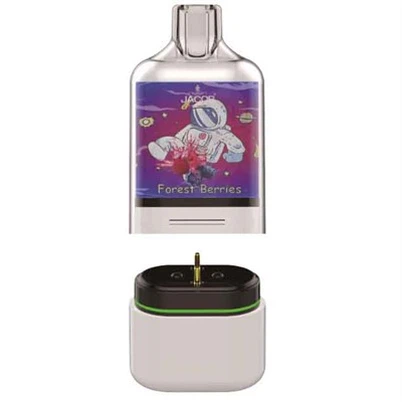
Is there a vape juice with no harmful chemicals?
Leave a message
The short answer is no. Based on the information from the search results, there is no vape juice that is free from harmful chemicals. The very process of heating and inhaling the ingredients creates new toxic substances, and the products are largely unregulated, leading to significant health risks .
Here's a breakdown of why no vape juice can be considered "harm-free."
1. The Base Ingredients Create Toxic Byproducts When Heated
Even the most basic vape juices are made of a few standard ingredients, but they are not harmless when vaporized and inhaled.
Propylene Glycol and Vegetable Glycerin: These are the primary base liquids in nearly all vape juice. While they are generally recognized as safe to eat, their safety is not established for inhalation . When heated to create the aerosol, they break down and form known carcinogens like formaldehyde and acetaldehyde .
The Heating Coil: The metal coil that heats the liquid is another source of harm. As it heats up, it releases heavy metals such as lead, nickel, and arsenic into the aerosol, which you then inhale directly into your lungs .
2. Flavorings Introduce Hundreds of Unknown Chemicals
The flavorings, especially sweet and fruity ones, are a major source of unlabeled and potentially harmful chemicals.
Chemicals from Other Products: Many of the chemicals used to create flavors are also found in industrial and household products. For example, studies have found chemicals in vapes that are also used in nail polish remover, weed killer, and bug spray .
New Compounds Formed: Flavor chemicals can react with the base liquids while sitting in the cartridge, forming entirely new compounds. A study on JUUL products found that the flavor chemical vanillin reacted with the base liquids to create "acetals," whose long-term effects on the lungs when inhaled are completely unknown .
Lung Disease Link: The chemical diacetyl, which is used to create a buttery flavor, has been linked to a serious and irreversible lung disease often called "popcorn lung" . More recently, vitamin E acetate, used as a thickening agent in some vapes, was definitively linked to the 2019 outbreak of EVALI (e-cigarette or vaping product use-associated lung injury), a condition that caused severe respiratory failure and deaths .
3. Unreliable Labeling and Contamination
A major problem highlighted across the search results is the complete lack of quality control and truth in labeling.
Hidden Nicotine: Even when a vape is labeled "nicotine-free," studies show it very likely still contains addictive nicotine .
Toxic Contamination: A peer-reviewed case study documented a death caused by a person ingesting homemade vape juice that was contaminated with methanol, a highly toxic form of alcohol, even though the bottle was labeled as containing a different chemical . This demonstrates the severe risks associated with unregulated products.
Summary of Key Harmful Chemicals Found in Vape Juice
| Chemical/Substance | Where It's Found | Known Health Risk |
|---|---|---|
| Nicotine | Most vapes, including many labeled "nicotine-free" | Highly addictive; harms brain development in youth; increases heart rate and blood pressure |
| Formaldehyde | Created by heating propylene glycol and glycerin | Known human carcinogen (causes cancer); can permanently damage lungs |
| Heavy Metals | Released from the device's heating coil | Can cause cancer (e.g., arsenic, nickel); lead damages brain development |
| Diacetyl | Flavoring chemical used for buttery tastes | Linked to "popcorn lung," a serious and irreversible respiratory disease |
| Vitamin E Acetate | Thickening agent in some vapes | Caused the 2019 EVALI outbreak, leading to severe lung injury and death |
| Volatile Organic Compounds | Found in flavorings and created by heating | Can cause eye, nose, and throat irritation; headaches; and damage to the liver and central nervous system |
Safer Alternatives and Recommendations
The search results consistently emphasize that no vape juice is "safe," but if a person is determined to vape or is using it to quit smoking, there are ways to lower the risks:
Avoid Unregulated Products: Do not buy vape juice from informal sources, online shops of unknown origin, or make your own "homemade" blends. These have the highest risk of contamination with toxic substances .
Use Legal, Regulated Sources: In countries with regulations, choosing products from legitimate, licensed sources may ensure they at least meet basic manufacturing standards .
Seek Medical Advice for Quitting Smoking: The most reliable path to reducing harm is to use FDA-approved nicotine replacement therapies (like patches or gum) under the guidance of a doctor. Health Canada and other health authorities have not approved any vaping product as a safe or effective way to treat nicotine dependence .