Is the herbal vaporizer really an electronic cigarette?
Leave a message
On May 27th, the State Tobacco Monopoly Administration held a press conference to introduce the relevant situation on the regulation of electronic cigarettes and answer questions from journalists. During the meeting, authoritative media reporters from across the country asked questions about topics of public concern. Among them, the reporter from China National Radio of China asked about the classification of herbal vaporizers.
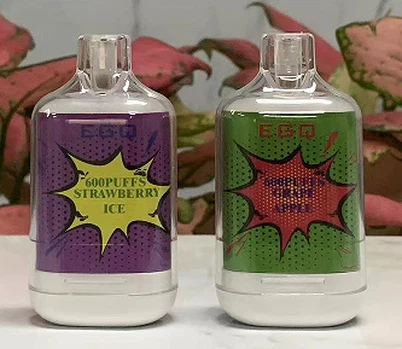
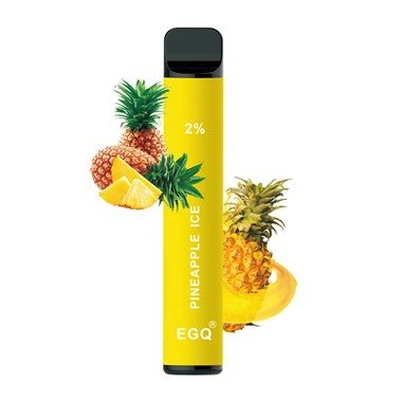
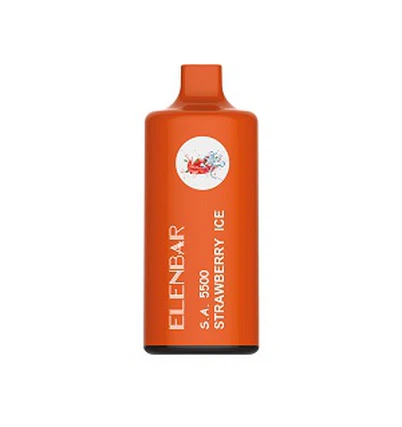
In recent years, such herbal vaporizers, which do not contain nicotine and have an appearance similar to electronic cigarettes, have been sold in the market or online. But they are registered or filed as medical devices "medical heating vaporization". Could these herbal vaporizers be classified as electronic cigarettes? Please see the answers from Vice Director Sun Ji of the Supervision Department of the State Tobacco Monopoly Administration.
China National Radio of China reporter:
"Recently, we have noticed that in some regions, the appearance and usage methods of herbal vaporizers sold in the market or online are exactly the same as those of electronic cigarettes, but they are registered or filed as medical devices 'medical heating vaporization'. May I ask, are these herbal vaporizers classified as electronic cigarettes? What work has the tobacco monopoly law enforcement department carried out regarding such situations?"
Vice Director Sun Ji of the Supervision Department of the State Tobacco Monopoly Administration:
"Thank you for your question. The State Tobacco Monopoly Administration specially issued the 'Reply on the Applicable Legal Issues of New-Type Electronic Smoke Products' in 2024, clearly stating that products that do not contain nicotine and are all or partially vaporized into aerosol for inhalation, sucking, chewing or nasal inhalation, etc., are managed in accordance with the regulations for electronic cigarettes. The herbal vaporizers that are produced and sold under the guise of medical device registration or filing, which do not contain nicotine and are all or partially vaporized into aerosol for inhalation, sucking, chewing or nasal inhalation, etc., using such methods, belong to electronic cigarettes. Regarding such products, we mainly carry out the following work:
First, deepen departmental collaboration and strengthen source management. In September 2024, the State Tobacco Monopoly Administration and the National Medical Products Administration jointly conducted a joint investigation on the social hazards and regulatory work of herbal vaporizers. We identified five core differences in the usage methods, temperature, and properties of the aerosol in the vaporization process between herbal vaporizers and medical devices. We jointly studied measures to strengthen the regulation of herbal vaporizers and avoid the stigmatization of medical devices. In 2025, the Medical Device Classification and Definition Management Center of the National Medical Products Administration revised the 'Summary of Classification Results for 2020-2021 Medical Devices', invalidating the classification result of the second 254 item - medical heating vaporizer, and eliminating the possibility of herbal vaporizers obtaining medical device registration from the source.
Second, maintain a high-pressure stance and resolutely clean up. We will combine the special governance of online cigarette sales with the regular supervision of electronic cigarettes to maintain a high-pressure crackdown on herbal vaporizers. From June to September 2024, the State Tobacco Monopoly Administration deployed a special governance action for online sales of herbal vaporizers and other electronic cigarettes. We also pushed 11 leading e-commerce platforms to fully remove herbal vaporizers from their platforms; local tobacco monopoly bureaus actively coordinated and negotiated with internet enterprises, conducting 65 interviews and issuing 36 regulatory letters. During the action, 86 administrative cases were investigated, 37 criminal cases were handled, with an involved amount of 18.2211 million yuan, and 200,000+ electronic cigarette products were seized.

In the future, our bureau will further deepen departmental collaboration, carry out policy publicity, maintain a high-pressure stance, and continue to crack down on illegal acts of selling electronic cigarettes under the guise of medical devices."
Sun Ji also stated that for a long time, the Party Committee of the State Tobacco Monopoly Administration has attached great importance to strengthening the supervision of licensed electronic cigarette retailers in accordance with the law. According to relevant data statistics, since 2024, all levels of tobacco monopoly bureaus have dispatched 417,000 law enforcement personnel and inspected 191,000 licensed electronic cigarette retailers, imposing 1,941 administrative penalties, imposing fines of 4.777 million yuan, suspending 96 retailers from business, and canceling the business qualifications of 97 retailers. We have also jointly investigated and dealt with 232 cases involving licensed electronic cigarette retailers by the police and other departments, arresting 667 suspects, and sentencing 99 people. This has effectively maintained a good order in the electronic cigarette market. Next, all levels of tobacco monopoly bureaus will make full use of methods such as the 12313 hotline complaints, public reports, and regulatory visits to focus on cracking down on illegal activities of electronic cigarette licensed retailers, including selling flavored electronic cigarettes, selling electronic cigarettes to minors, selling electronic cigarettes online, selling herbal vaporizing electronic cigarettes, and selling mouth-holding cigarettes and other new types of tobacco products. They will further strengthen the daily supervision of electronic cigarette licensed retailers, improve the administrative discretion benchmark for administrative penalties, intensify the traceability crackdown on illegal sales of flavored electronic cigarettes, leverage the warning and deterrent effect of major typical cases, release the signal of zero tolerance for strict crackdown, guide licensed electronic cigarette retailers to conduct business activities in accordance with the law and regulations, and safeguard the physical and mental health of the public, especially minors.