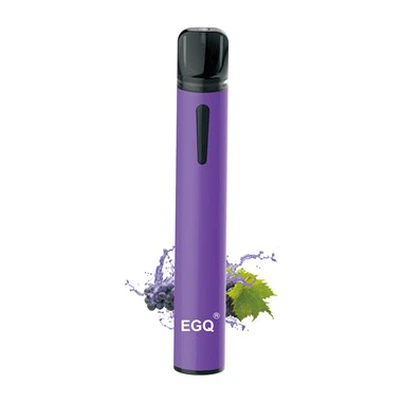
Is it safe to vape pure nicotine liquid?
Leave a message
Based on the available information, vaping "pure nicotine liquid" is not safe. It is associated with significant short-term and long-term health risks, including acute nicotine poisoning, severe lung injury, and harm to your cardiovascular system and other organs.
The table below summarizes the key health risks associated with vaping, many of which are directly linked to nicotine and other substances in e-liquids.
| Body System | Potential Risk | Key Contributing Factors |
|---|---|---|
| Overall Acute Poisoning | Nicotine toxicity, accidental poisoning (especially in children) | High concentration of nicotine in "pure" liquids |
| Lungs & Respiration | EVALI (severe lung injury), chronic bronchitis, "popcorn lung," asthma, coughing, wheezing | Aldehydes (formaldehyde, acrolein), flavorings (diacetyl), fine particles, heavy metals |
| Heart & Circulation | Increased heart rate & blood pressure, hardened arteries, higher heart attack & stroke risk | Nicotine causing blood vessel damage and constriction |
| Brain & Development | Addiction, impaired development in youth, affects memory & learning | Nicotine's effect on brain chemistry and reward systems |
| Kidneys | Acute Kidney Injury (AKI), Chronic Kidney Disease (CKD) | Nicotine-induced vasoconstriction and reduced blood flow |
💊 Understanding Nicotine and "Pure" Liquid
The term "pure nicotine liquid" can be misleading. It's crucial to understand that:
Nicotine is a Toxic Chemical: Regardless of its form, nicotine is a highly addictive and toxic substance. Ingesting or even spilling a small amount of concentrated nicotine liquid on your skin can lead to severe poisoning, with symptoms including nausea, rapid heartbeat, seizures, and in extreme cases, can be fatal.
"Pure" Does Not Mean "Safe": The liquids used in vaping devices are a mixture of substances. Even if the nicotine itself is pure, it is suspended in solvents and often contains flavorings. When heated, these components can break down into other harmful chemicals like formaldehyde and acrolein. Therefore, no vaping liquid can be considered completely safe.

🩺 Broader Health Considerations
Beyond the immediate risks of poisoning, using high-nicotine products is linked to serious long-term health issues:
EVALI: This is a severe, sometimes fatal lung illness linked to vaping. Symptoms can include cough, chest pain, and shortness of breath, and may require hospitalization and intensive care.
Cardiovascular Strain: Nicotine causes your heart rate and blood pressure to spike, putting extra stress on your cardiovascular system. Over time, this can damage and harden your arteries, increasing the risk of heart attacks and strokes, even in young people.
Impact on Other Organs: Emerging research indicates that the chemicals in e-liquids can damage the kidneys, potentially leading to acute injury or chronic disease by reducing blood flow and causing inflammation.
⚖️ A Note on Relative Harm
You may encounter the argument that vaping is "less harmful" than smoking traditional cigarettes. Some public health research acknowledges that vaping exposes users to lower levels of toxicants than combustible tobacco. However, leading health organizations like the World Health Organization (WHO) stress that this does not make vaping safe. The term "less harmful" is not equivalent to "harmless," and this is especially true for high-strength or "pure" nicotine products, which carry their own significant risks.
I hope this information helps you understand the serious risks involved. Making health decisions with all the facts is important.